Buying or owning a condo in Pasadena or Altadena comes with a layer many people overlook: your homeowners association. The HOA sets rules, manages budgets and reserves, and arranges insurance that affects your costs and peace of mind. If you want predictable expenses and fewer surprises, understanding how California HOA rules work is essential. In this guide, you will learn the key rules, what to review in escrow, and local factors that matter in Altadena and the Pasadena area. Let’s dive in.
California HOA basics in Pasadena and Altadena
California’s Davis‑Stirling Common Interest Development Act sets the statewide framework for condominium associations. It covers how HOAs form, operate, hold meetings and elections, manage budgets and reserves, and disclose information to owners and buyers.
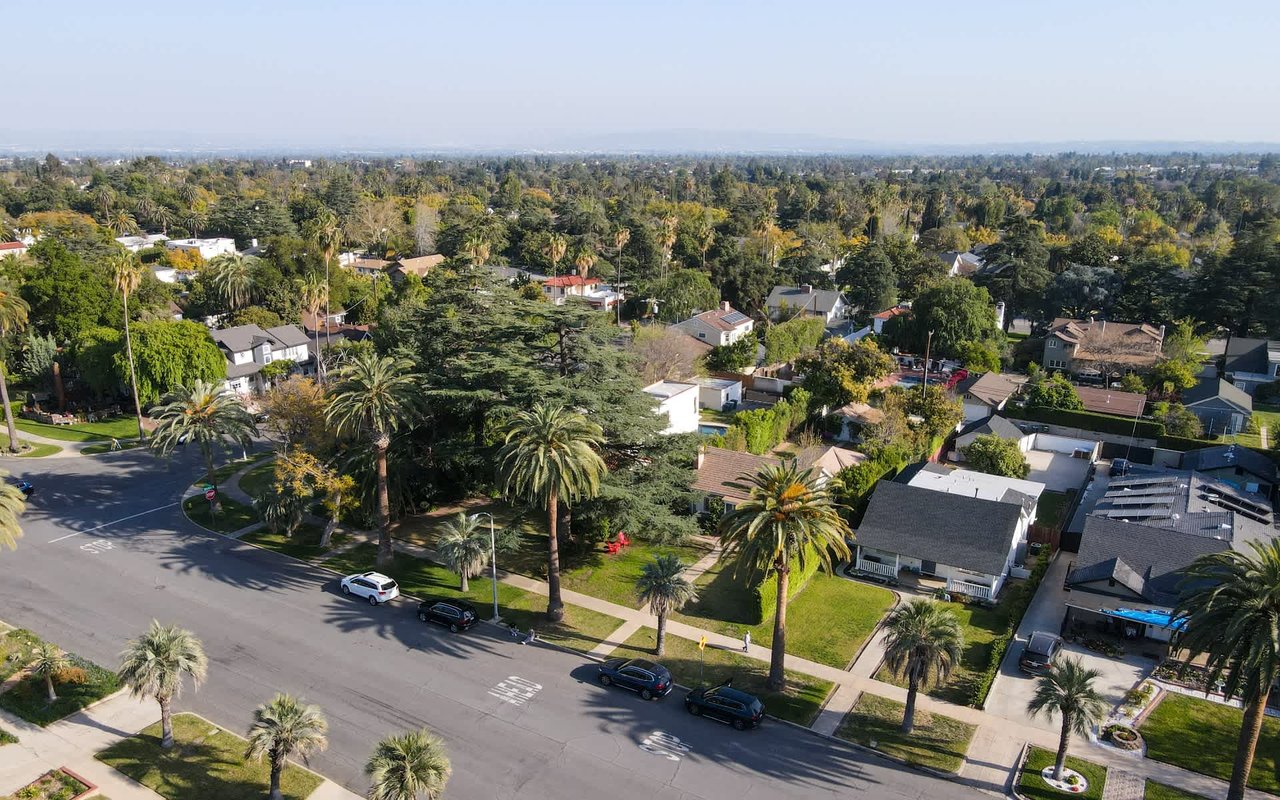
Altadena is an unincorporated area of Los Angeles County. That means county agencies, not the City of Pasadena, handle many municipal services and enforcement. The statewide rules apply, but your association’s CC&Rs, Bylaws, and house Rules govern day‑to‑day living. You should review both the law’s required disclosures and your HOA’s recorded documents to understand your rights and obligations.
Budgets, reserves, and assessments
Your HOA’s budget and reserve practices drive dues and special assessments. A quick overview helps you estimate real monthly costs and future risk.
Annual budget and what dues cover
Associations adopt an annual budget that projects income and expenses. You should receive a budget summary and, in many cases, access to the full budget.
Common items your dues may cover:
- Exterior and common‑area maintenance, like roofing, painting, landscaping, and parking areas
- Some common utilities, such as exterior lighting or landscaping water, and sometimes trash
- Master insurance for common property and possibly portions of the building structure
- Reserve contributions for major repairs and replacements
- Professional management, legal, and accounting services
- Services specific to the property, like security, elevator, pool, spa, or pest control
Common items dues do not cover:
- Interior finishes and personal property inside your unit
- Most interior plumbing and electrical within your unit unless the CC&Rs say otherwise
- Unit utilities unless your HOA explicitly includes them
- Your personal liability, contents, and loss of use, which are part of an owner HO‑6 policy
Reserves and special assessments
Most associations maintain a reserve fund for big‑ticket items like roofs, siding, paving, and elevators. Many commission periodic reserve studies to estimate remaining useful life, replacement costs, and a funding plan. Some HOAs keep reserves well funded. Others may underfund and rely on special assessments when large expenses arise.
If reserves or the operating budget fall short, the board can levy a special assessment. These can be significant. Reviewing reserve health and pending projects before you buy helps you avoid costly surprises.
Financial health signals to check
- Current reserve balance and the date of the last reserve study
- Budget history and recent dues increases
- Recent or pending special assessments and their purpose
- Operating fund balance and the delinquency rate among owners
- Any pending litigation that could affect dues or future assessments
Insurance 101 for condo owners
Insurance can be confusing. The association purchases a master policy. You purchase an HO‑6 policy. How they fit together defines who pays when something goes wrong.
How the master policy works
Most associations carry these coverages:
- Property insurance for common areas and, depending on your CC&Rs and policy form, parts of the building structure
- General liability for incidents in common areas
- Directors and Officers liability for board actions
Master policy forms differ. Some are “all‑in” or “walls‑in,” covering portions of unit interiors such as original fixtures. Others stop at the unit’s bare walls. Always check your CC&Rs and the certificate of insurance to see what is included.
Associations often carry significant deductibles, especially for major events like water damage or earthquakes. If a loss falls within the deductible or is not fully covered, the HOA may levy a special assessment on owners. Many HO‑6 policies include optional “loss assessment” coverage that can help pay your share of an insured loss or the association’s deductible.
What your HO‑6 policy should address
Work with a knowledgeable insurance agent and confirm:
- Personal property coverage for your contents
- Interior “improvements and betterments” if the master policy stops at the walls
- Loss of use if you need temporary housing during repairs
- Personal liability coverage
- Loss assessment coverage to help with your share of a covered HOA claim or deductible
- Optional earthquake or flood coverage if appropriate for your risk tolerance
Documentation to request
Ask the HOA or manager for:
- Current insurance certificate or declarations page with limits, covered perils, and deductibles
- Clarification on whether the master policy is replacement cost or actual cash value for covered property
Local risk context in Altadena
In the foothills above Pasadena, wildfire exposure and brush‑clearance rules can affect insurance costs and availability. Earthquake risk is part of life across Los Angeles County. Standard master policies typically exclude earthquake and flood, so it is wise to consider separate coverage options for both the association and your HO‑6 policy.
Governance, meetings, and owner obligations
Knowing how your HOA is governed helps you plan and participate.
Board and powers
Boards are elected by owners and operate under the CC&Rs and Bylaws. They enforce rules, adopt budgets and assessments, hire vendors, and maintain common areas. Actions must follow the governing documents and state law.
Meetings and records
You have rights to notice of meetings, to speak at open sessions, and to access certain association records. Boards can hold executive sessions for limited matters such as legal or personnel issues. Minutes must reflect actions taken. California law includes procedures for notices, agendas, elections, and record requests to support transparency.
Enforcement and fines
Associations typically use warnings, fines, and limited suspension of privileges to address violations. Due process rules apply. Unpaid assessments can result in liens and, in severe cases, collection actions. Staying current on dues and communicating early if issues arise can help prevent escalation.
Your obligations as an owner
- Pay assessments on time
- Follow the CC&Rs, Bylaws, and Rules
- Obtain written approval for exterior or structural changes
- Maintain your unit as required by the governing documents
Escrow and the HOA resale packet
When you buy or sell a condo, the HOA or its manager prepares a resale disclosure packet, sometimes called a resale certificate or estoppel certificate. It is a key part of your due diligence.
What you should receive
Common resale packet components include:
- CC&Rs, Bylaws, Articles of Incorporation, and Rules & Regulations
- Current budget and the most recent reserve study or reserve disclosure
- Current financial statements
- Insurance certificates and a description of master policy coverage and deductibles
- Status of assessments, including any unpaid amounts and pending special assessments
- Disclosure of pending litigation
- Recent board and membership meeting minutes
- Estoppel letter confirming account status, transfer fees, and other amounts due
- Management company contact information, if applicable
Why it matters
The resale packet reveals dues, reserve health, any planned repairs, insurance details, litigation, and rule restrictions. These items directly affect your monthly costs and your quality of life. Sellers and buyers should also plan for any fees and timeline needed to prepare the packet.
Review priorities for Pasadena/Altadena buyers
- What dues include and exclude, including utilities and services
- Reserve balances, the date of the last reserve study, and upcoming capital projects
- Master policy coverage, deductibles, and whether earthquake or flood coverage exists
- Meeting minutes for signals of deferred maintenance, disputes, or board turnover
- Rules on rentals, pets, and subletting if you are considering renting the unit
- Estoppel details for exact amounts due at closing and any transfer fees
Altadena‑specific considerations
Altadena’s foothill setting offers a distinct environment and risk profile compared to central Pasadena. A focused checklist helps you evaluate a building’s condition and policies.
Local environment and code items
- Wildfire and brush management. Confirm compliance with Los Angeles County vegetation management and defensible‑space guidance.
- Seismic risk. Earthquake coverage is typically not included in standard master policies. Consider separate coverage for both the association and your HO‑6.
- Drainage and grading. Hilly terrain can create runoff and erosion concerns. Ask about maintenance of retaining walls, foundations, and stormwater systems.
Buyer and seller checklist
- Obtain and read the full resale packet before you waive contingencies
- Confirm which utilities and services are paid through the HOA
- Request 12 to 24 months of board minutes to spot recurring issues
- Verify the last reserve study and current balances, and ask about the schedule for major replacements
- Review the insurance certificate and deductibles, and confirm loss assessment coverage on your HO‑6
- Ask about delinquency rates and the association’s collection practices
- Confirm parking assignments, guest parking rules, and any storage policies
- Learn the architectural approval process if you plan to renovate
- If financing, confirm your lender’s condo project requirements early
Red flags that merit caution
- Large special assessments imposed or planned without a clear plan
- Very low reserves or no recent reserve study
- High owner delinquency rates and frequent collection actions
- Repeated code violations, emergency repairs, or visible deferred maintenance
- Unresolved litigation that could lead to large liabilities
Smart steps before you buy or sell
A little preparation can save time and money and reduce stress.
- Get the resale packet early in escrow and read it closely.
- Compare dues and coverage line by line to your budget and risk tolerance.
- Talk to an insurance agent about HO‑6 coverage, loss assessment, and optional earthquake and flood policies.
- Walk the property and look for maintenance patterns that match the minutes and reserve study.
- Ask pointed questions about reserves, upcoming projects, and assessment plans.
If you would like help interpreting documents or want to tour available Pasadena condos, connect with Shahe Seuylemezian for local guidance and a seamless path from questions to keys.
FAQs
What is the Davis‑Stirling Act and how does it affect Pasadena and Altadena condo owners?
- It is California’s main HOA law that sets rules for how associations operate, disclose information, manage budgets and reserves, hold meetings, and enforce CC&Rs, which apply to condos in both Pasadena and Altadena.
What does an HOA master insurance policy usually cover versus my HO‑6 policy?
- The master policy typically covers common areas and sometimes parts of the building structure, while your HO‑6 covers your interior finishes if needed, personal property, liability, loss of use, and optional loss assessment protection.
How can I tell if an HOA has healthy reserves before I buy?
- Review the most recent reserve study, current reserve balance, planned projects, and any upcoming special assessments alongside operating financials and meeting minutes.
Are earthquakes and wildfires covered by my HOA’s master policy in Altadena?
- Standard master policies often exclude earthquake and flood, and wildfire exposure can influence availability and deductibles; consider separate earthquake coverage and confirm details on the HOA’s certificate of insurance.
What should I look for in an HOA resale packet during escrow?
- Focus on CC&Rs and Rules, budgets and reserve studies, insurance certificates and deductibles, assessment status, litigation disclosures, and 12 to 24 months of meeting minutes.
How do special assessments work in California condo HOAs?
- If reserves or the budget are not enough for repairs or emergencies, the board can levy a special assessment on owners, which you pay in addition to regular dues according to the association’s procedures and governing documents.