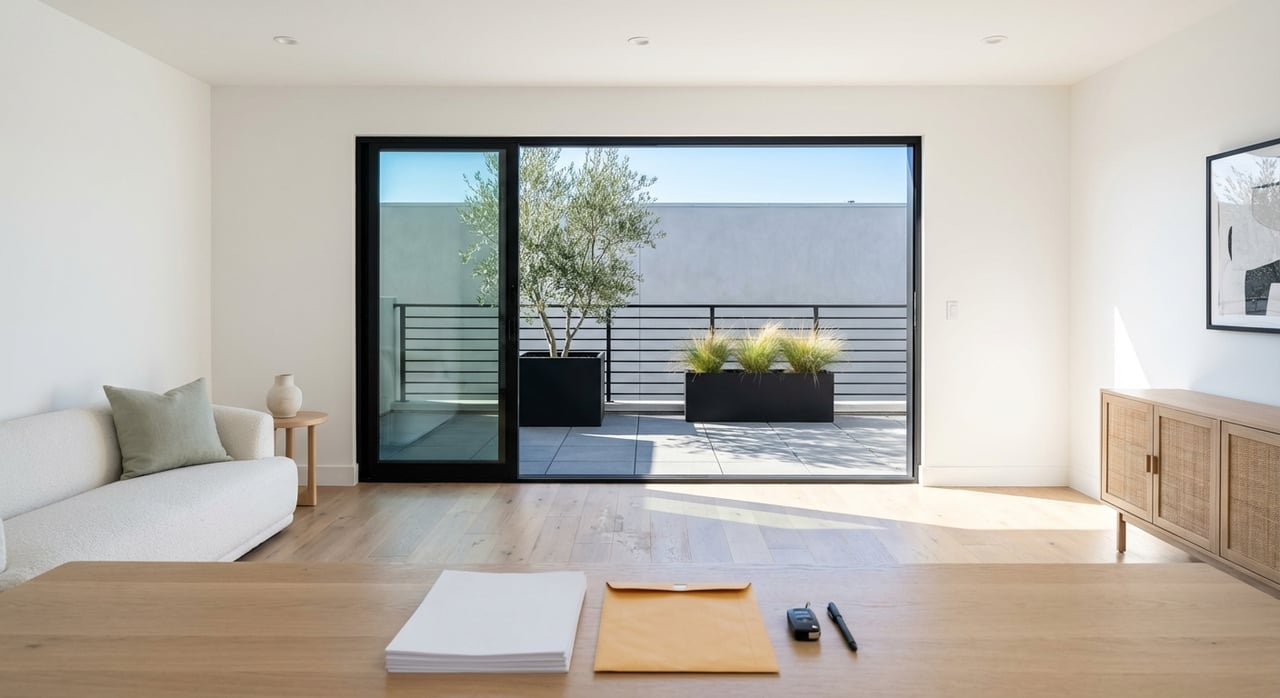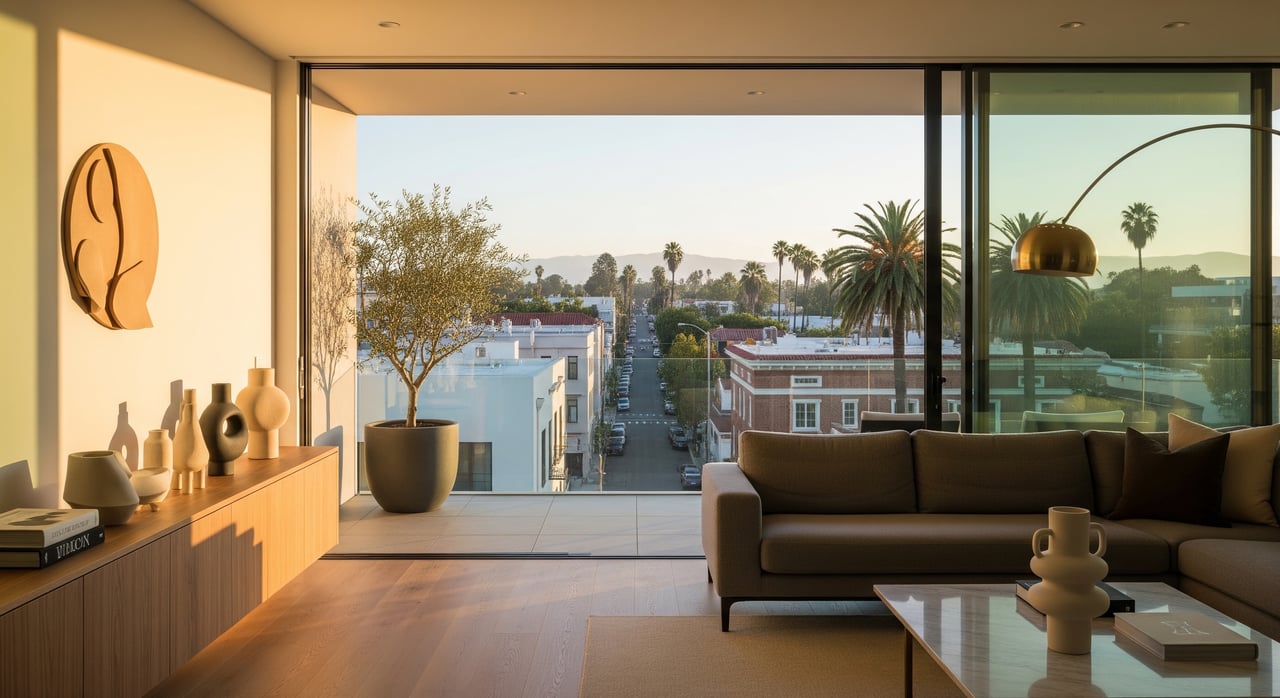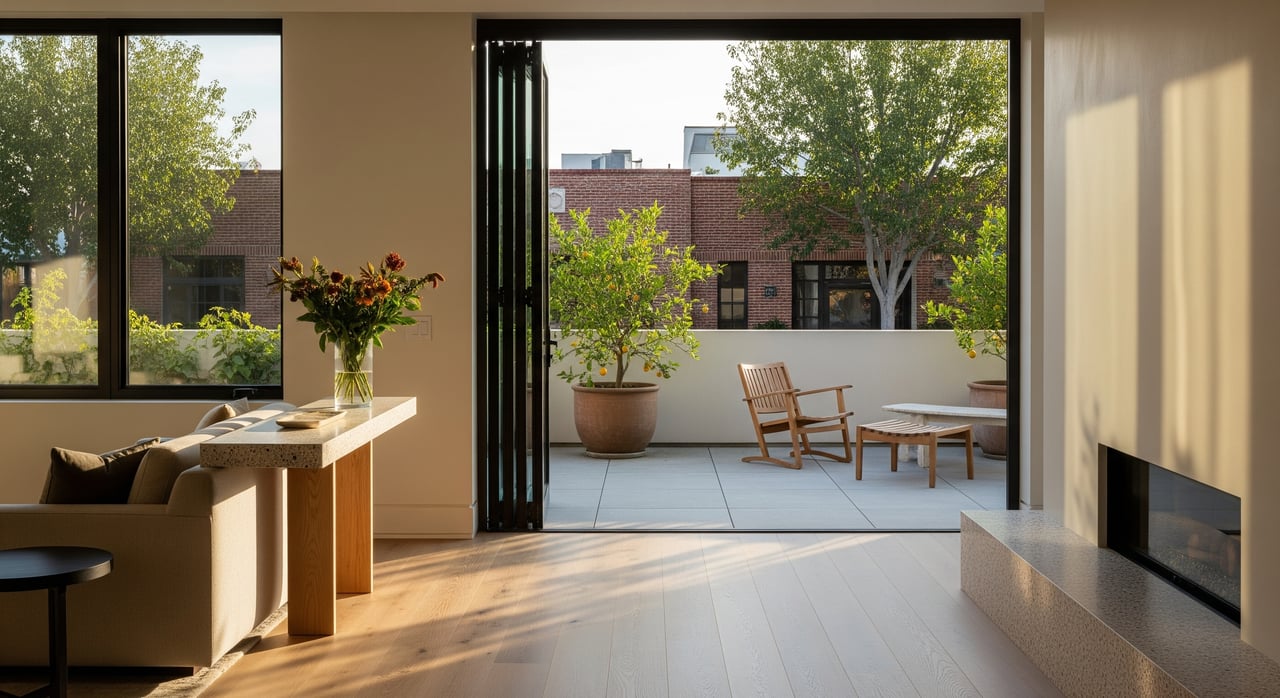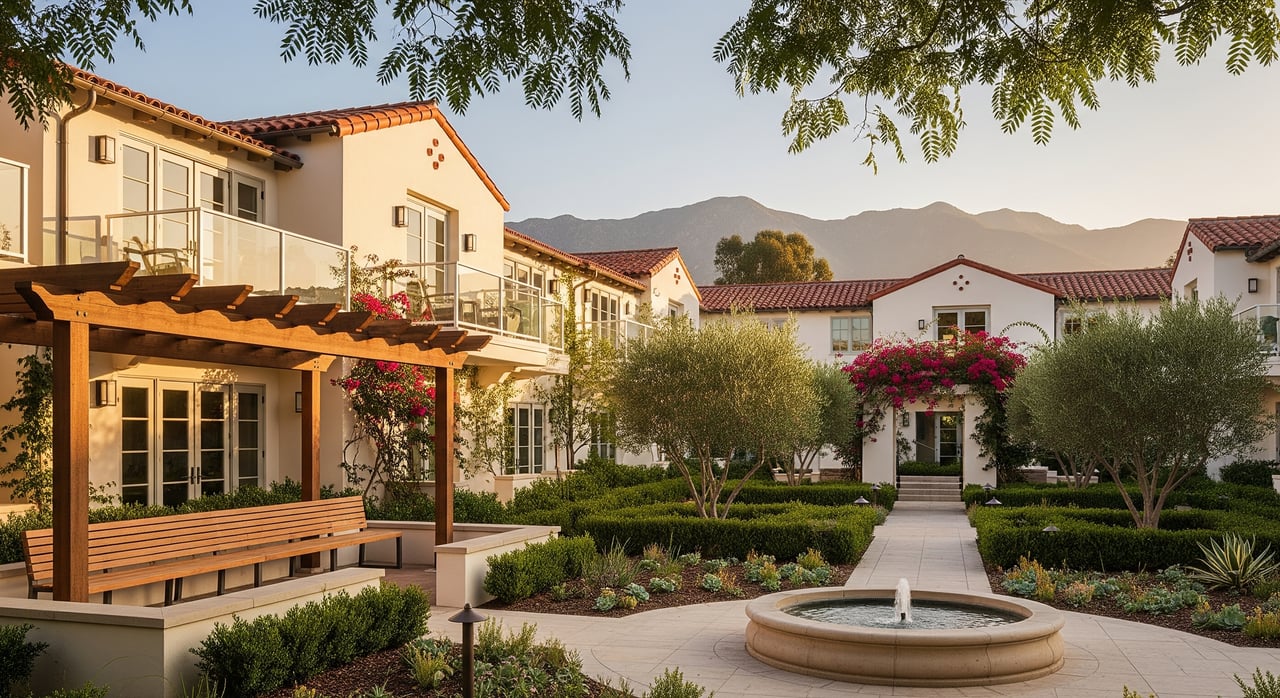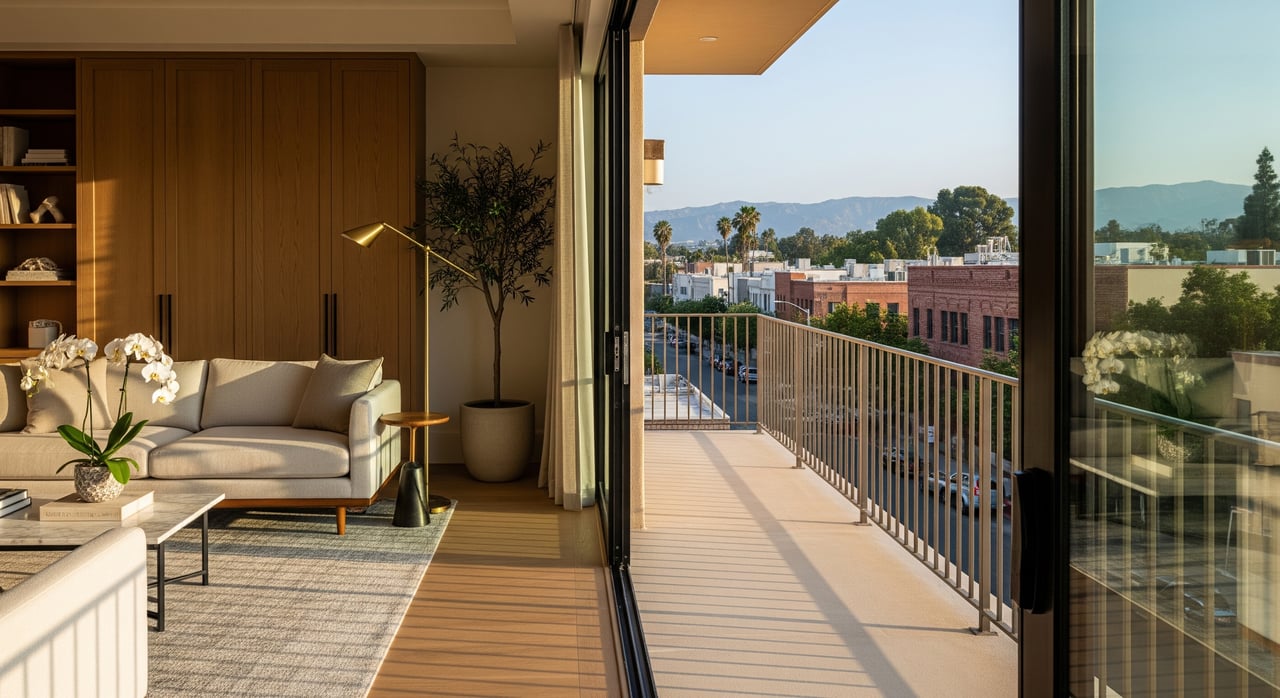
Buying your first condo in Old Pasadena can feel exciting and a little overwhelming. You get walkable city living, restaurant and culture access, and lower-maintenance ownership, but also new rules about HOAs, inspections, and parking. If you’re weighing the tradeoffs and want a clear plan, you’re in the right place. This guide walks you through what to expect in Old Pasadena, the documents and inspections that matter most, and a step-by-step path to closing with confidence. Let’s dive in.
Why Old Pasadena works for first-time buyers
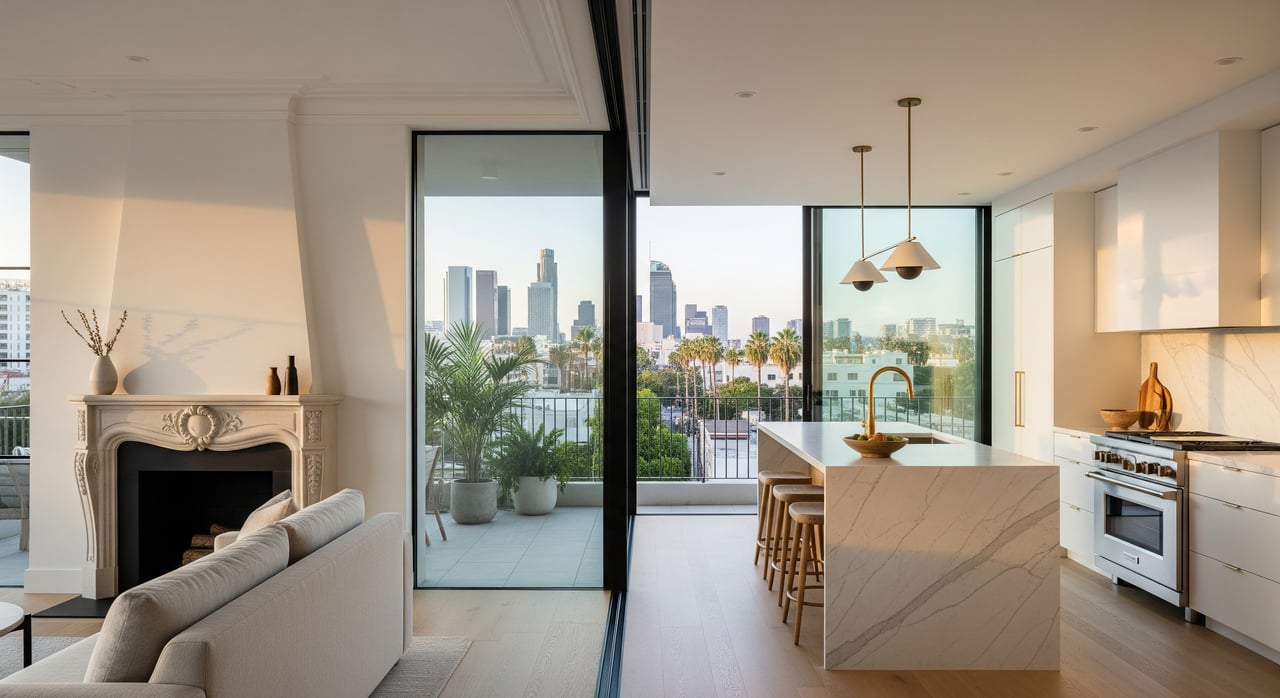
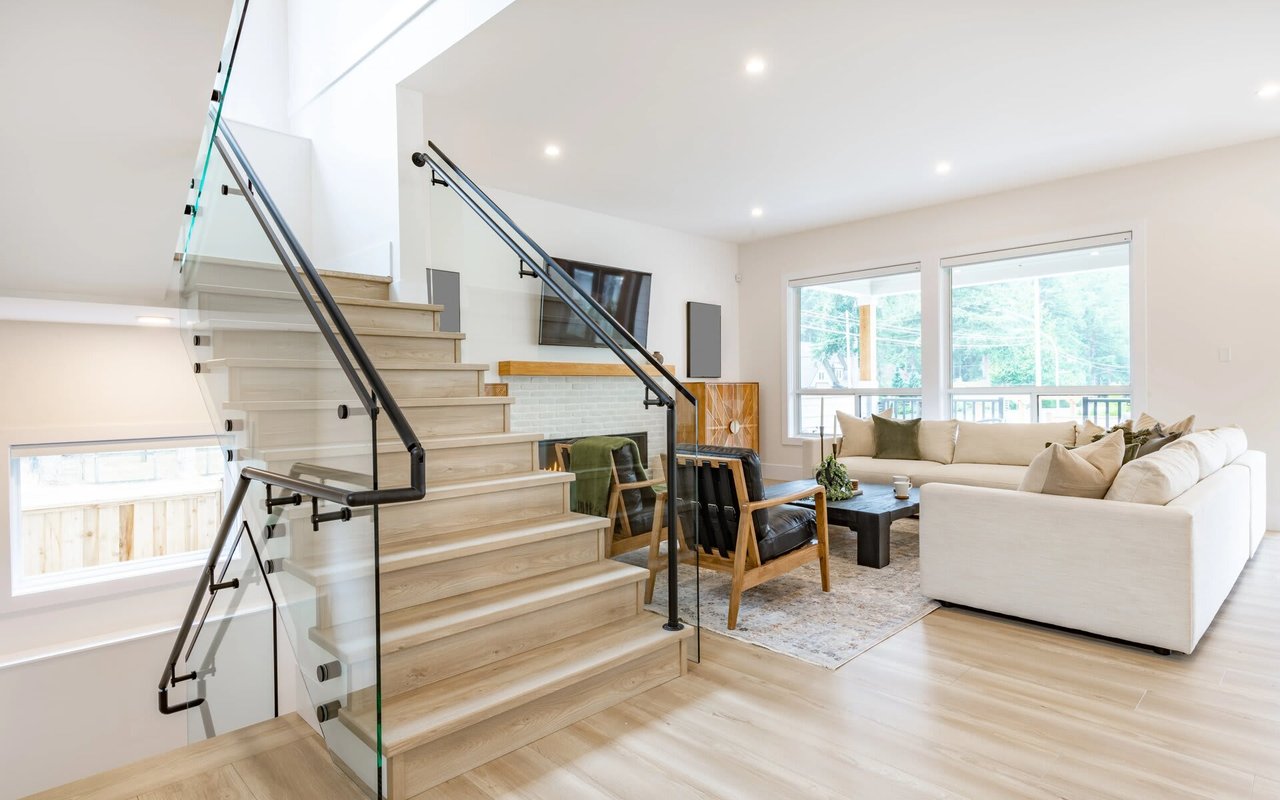
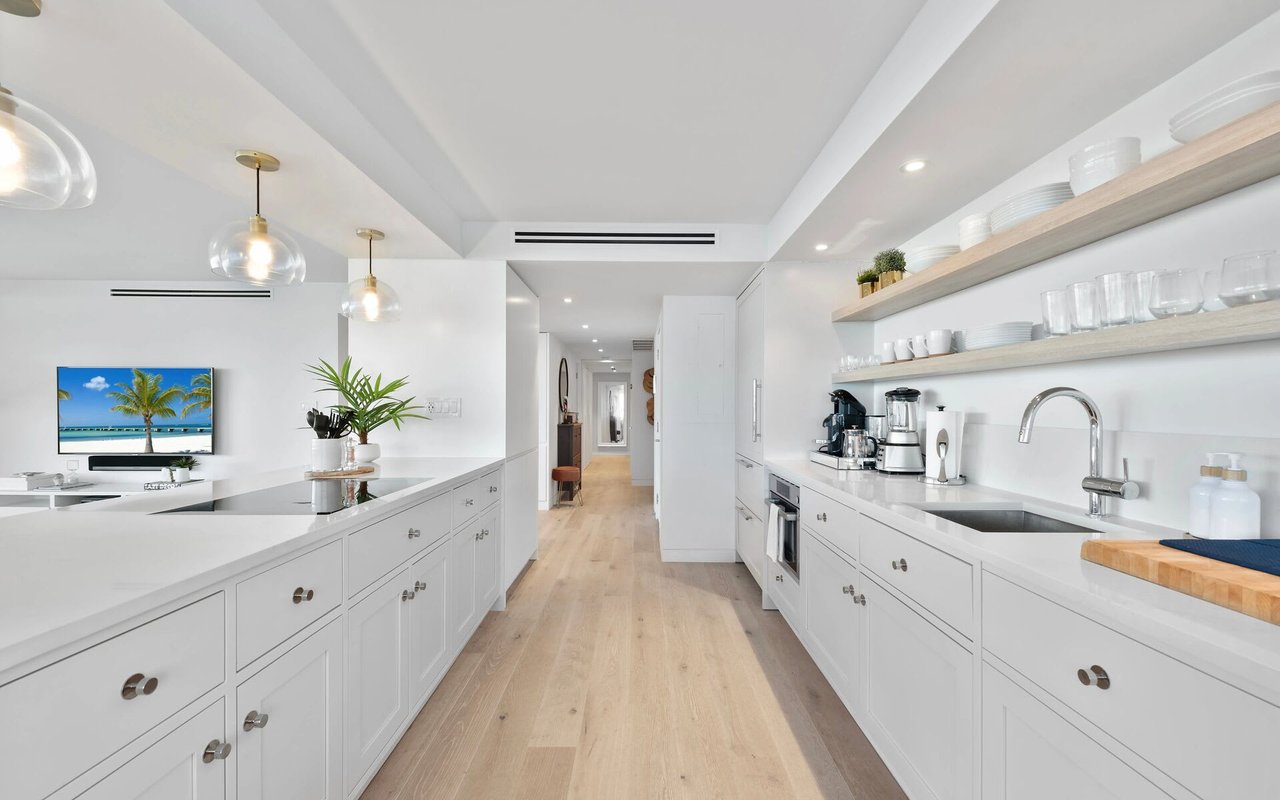
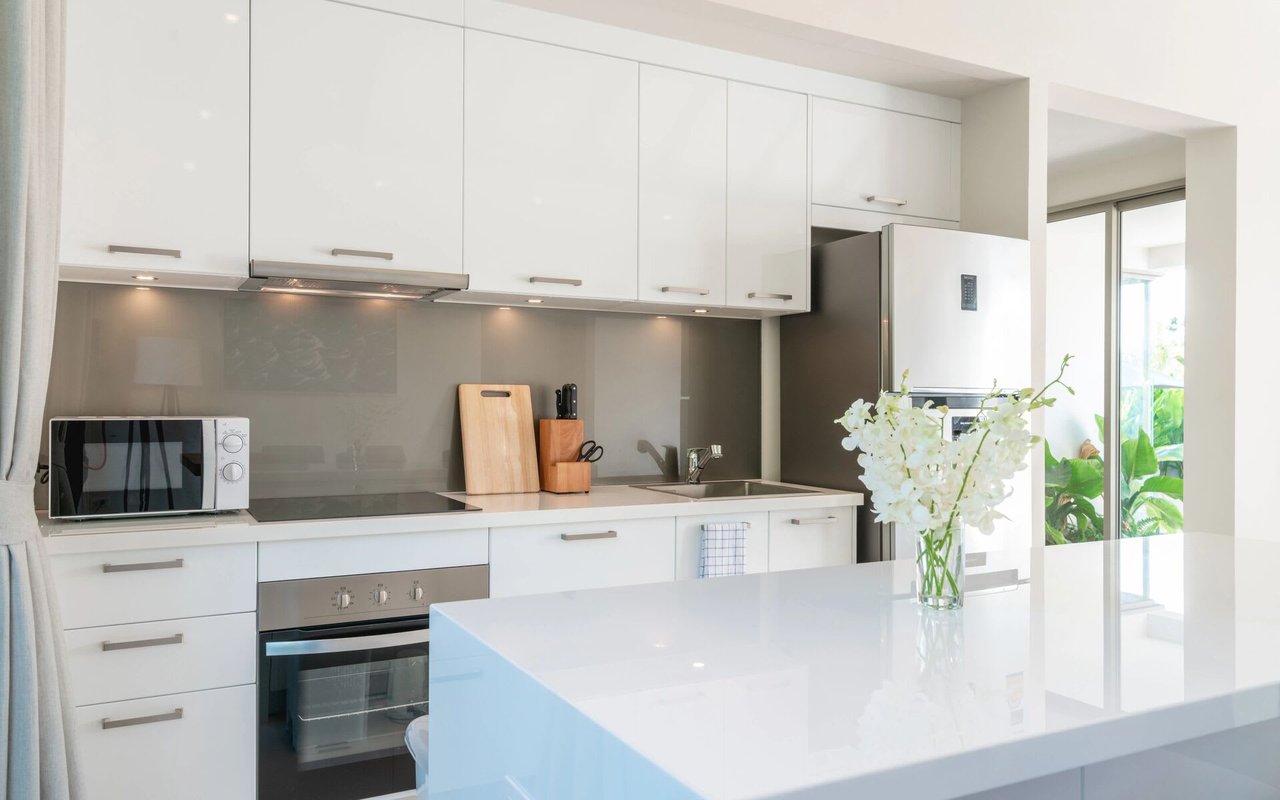
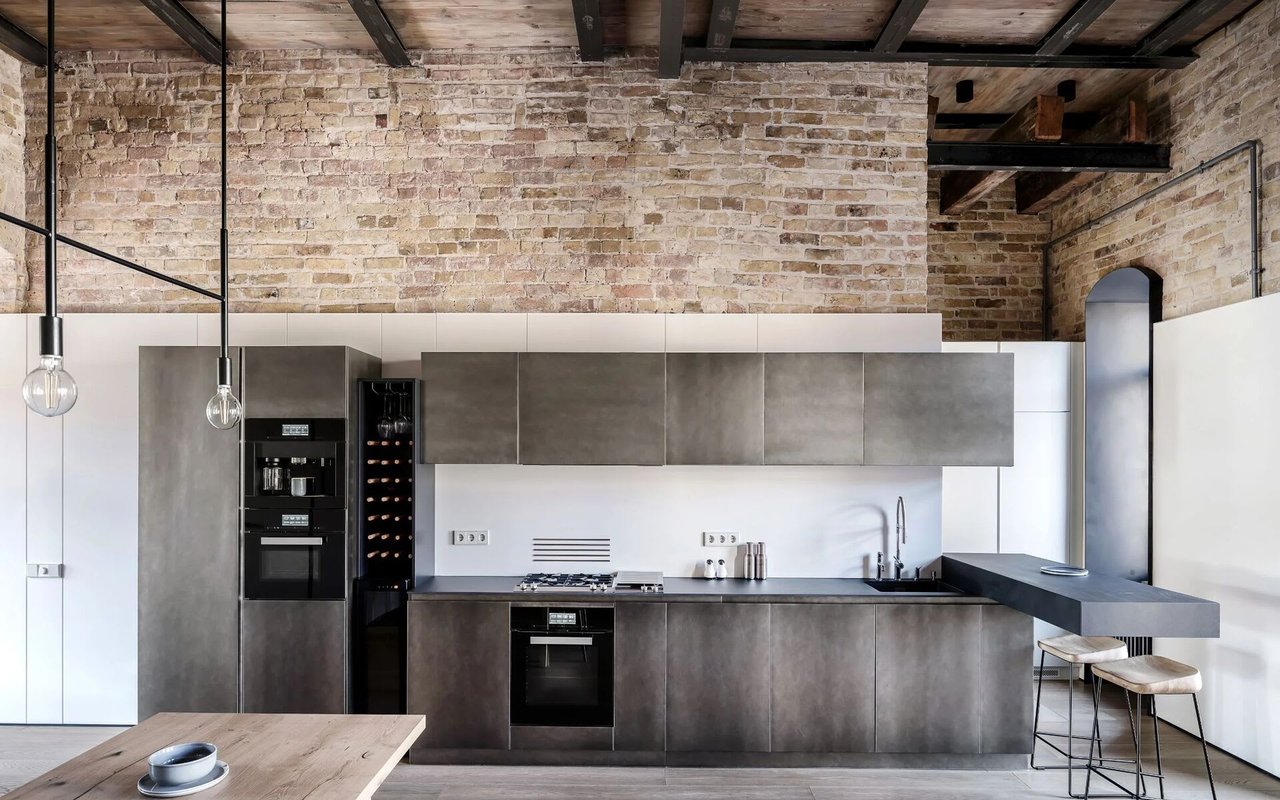
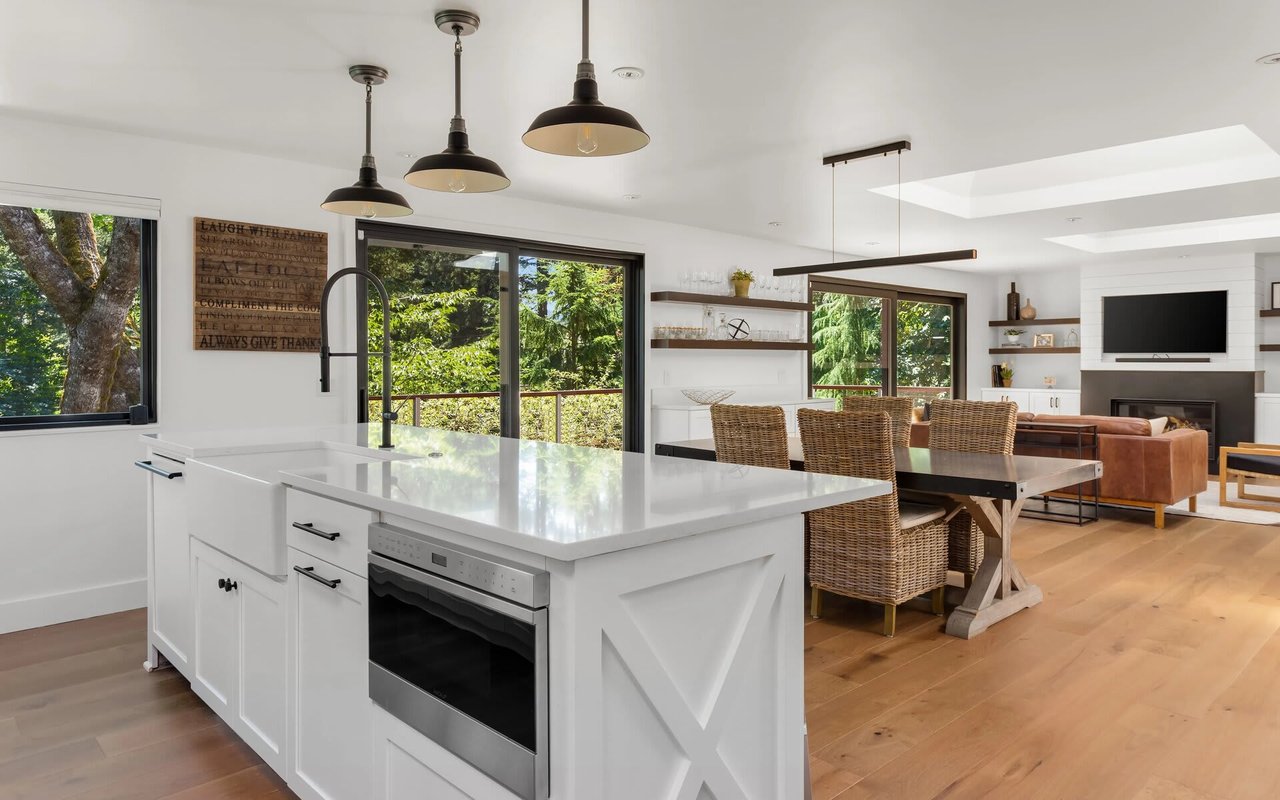
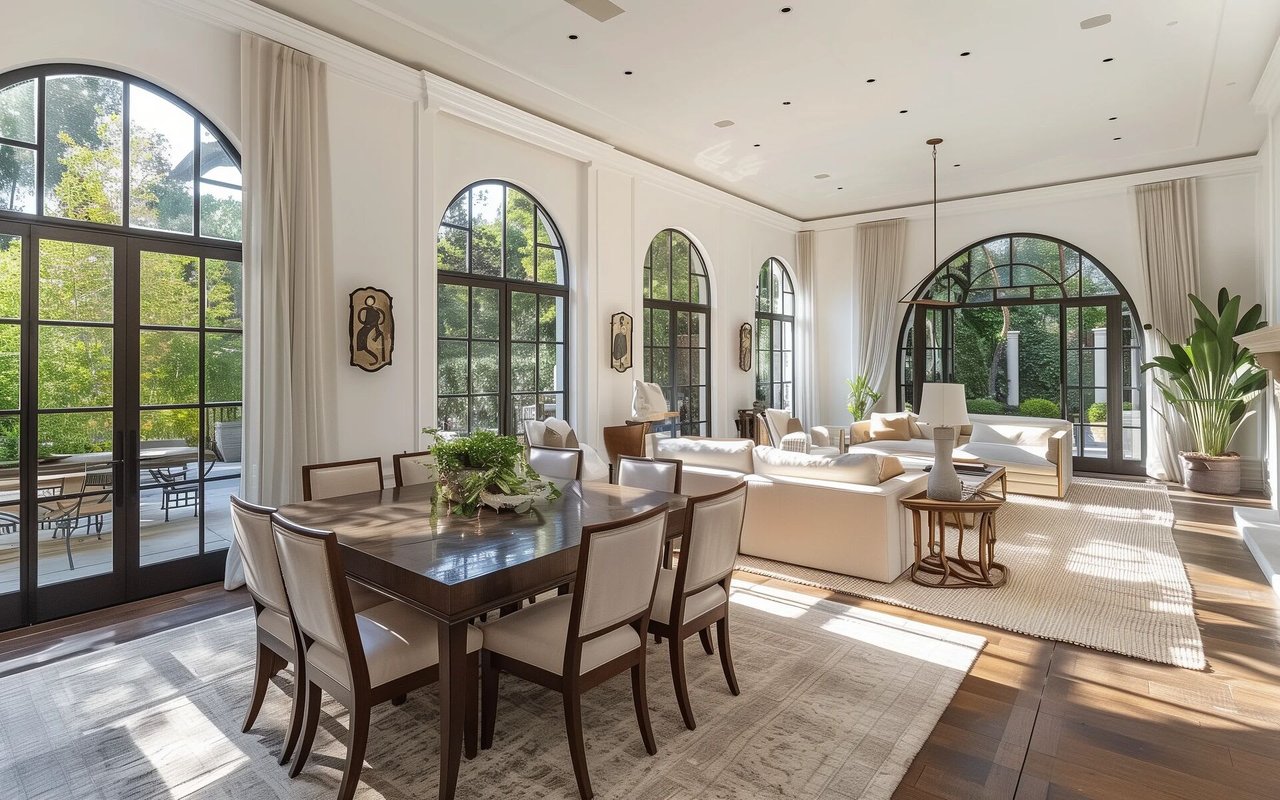
Old Pasadena is a compact, historic downtown district with retail, restaurants, and cultural venues woven into a highly walkable grid. Many buyers choose it for a car-light lifestyle and easy access to dining, theaters, and transit. Expect a mix of loft conversions, early‑2000s condos, and newer mixed‑use buildings with varied floor plans.
You’ll often find studios and one-bedrooms alongside select two-bed options. Monthly HOA dues vary by building age, amenities, and parking arrangements, so factor them into your total monthly budget. If walkability is a top priority, check local data and distances that matter to you. Tools like neighborhood walkability resources and LA Metro transit maps help you compare commute options.
If you plan any exterior changes or window modifications in a historic building, confirm what’s allowed. Pasadena has historic-preservation processes that can affect certain renovations, so review the City’s historic preservation guidance before you commit to plans.
What makes condo ownership different
In a condo, you own your interior space, and the HOA manages common areas and major building systems like roofs, elevators, and facades. Your rights and obligations are set by the CC&Rs and California’s Davis‑Stirling Act, which governs common interest developments. This legal framework is designed to make shared ownership predictable, but it also means you need to read carefully.
Before you fall in love with a unit, understand what the HOA covers, how decisions are made, and how well the building is funded for future repairs. Solid governance and strong reserves can protect your budget, while underfunding and frequent special assessments add risk.
Read the HOA documents
You will receive a resale disclosure package during escrow. Review every page, and do it early in your contingency period. Focus on these items:
- CC&Rs, Bylaws, and Rules: Learn owner vs HOA responsibilities, pet and rental policies, and alteration rules.
- Budget and Financials: Compare income vs expenses and what dues cover, such as water, trash, gas, master insurance, and amenities.
- Reserve Study: Check whether reserves meet projected long‑term needs. Low reserves in an older building can signal higher assessment risk.
- Meeting Minutes: Read 12 to 24 months of minutes to spot recurring issues like leaks, elevator outages, or board turnover.
- Insurance Declarations: Confirm the master policy type and deductible. You will still need an HO‑6 policy for interior finishes, personal property, and liability.
- Litigation and Delinquencies: Pending lawsuits or high owner delinquency rates can affect both costs and financing.
If you plan to use FHA or VA financing, verify project eligibility with your lender. Many lenders rely on HUD’s condominium approval guidance and the FHA condo list. If the project is not approved, your loan options may be limited.
Inspections that matter in condos
Your inspector will focus on the interior of the unit, but you should also evaluate building-level conditions through records and visual clues. Make these checks part of your plan:
- Comprehensive Home Inspection: Electrical, plumbing fixtures, HVAC, appliances, windows and doors, and signs of moisture intrusion.
- Pest/Termite Inspection: Especially important in older buildings.
- Sewer Scope: Consider for ground-floor units or if the building has a private lateral.
- Common-Area Reports: Ask for recent roof, elevator, foundation, or mechanical system reports from the HOA.
- Environmental Testing as Needed: If the building predates 1978, discuss lead‑based paint or asbestos testing with qualified specialists.
Watch for red flags like repeated water intrusion in meeting minutes, chronic elevator breakdowns, or deferred maintenance in common areas. If you see references to structural work or seismic needs, confirm the building’s compliance status with the City. Older structures may require retrofit work, and you want to know if there is a plan and budget.
Parking, storage, and daily living in Old Pasadena
Parking is a major quality-of-life factor in a downtown district. Clarify parking terms in writing and verify them with title or the CC&Rs.
- Assigned Parking: Confirm the number of spaces, whether they are deeded or assigned, and the location. Tandem parking is common and can affect your routine.
- Guest Parking and Enforcement: Review guest permit rules and towing policies in the Rules and Regulations.
- Street Parking: Old Pasadena has meters and regulated street parking, so do not assume long-term street parking is available. Learn local permit options before you rely on them.
Storage and bikes can also be make-or-break details. Check for a dedicated storage locker, secure bike room, and any waitlists. Interior storage in urban condos can be limited, so budget for offsite storage if you need it.
Lifestyle fit matters too. Proximity to dining and nightlife is a draw, but evening and weekend noise can be part of the experience. Higher floors, interior courtyards, and better window systems can help reduce sound. Read the HOA minutes for noise-related complaints to set realistic expectations.
Step-by-step plan for your first condo
Follow a clear sequence so nothing slips through the cracks.
- Get financially prepared
- Secure a mortgage pre‑approval that considers condo-specific underwriting.
- Explore down payment help and first‑time buyer programs. Start with CalHFA’s homebuyer programs and the City of Pasadena Housing Department for local resources.
- If you plan on FHA or VA loans, ask your lender to confirm project approval early using HUD’s FHA condominium resources.
- Choose local condo expertise
- Work with an agent experienced in Old Pasadena and condo transactions. You want someone who reads HOA packets closely, knows building quirks, and can flag financing issues tied to specific projects.
- Tour units and compare total monthly cost
- Compare HOA dues and what they include. Ask about owner-occupancy rates and rental caps, which can affect financing and resale.
- Evaluate parking convenience, storage, and noise at different times of day.
- Make an offer and order the resale package
- Negotiate a contingency period that lets you review HOA documents and complete inspections.
- Require complete delivery of CC&Rs, financials, reserve study, minutes, insurance, and any litigation disclosures.
- Inspect and verify during contingencies
- Order a general inspection and pest inspection. Add specialty inspections if needed.
- Review the HOA’s reserve adequacy, insurance coverage, and meeting minutes. Ask follow-up questions in writing.
- Confirm City items like permits, historic review requirements for planned changes, or any seismic compliance.
- Finalize insurance, title, and closing
- Obtain an HO‑6 condo policy that aligns with the master policy. For coverage basics, review industry guidance such as the Insurance Information Institute’s condo insurance overview. Consider separate earthquake coverage as needed in California.
- Confirm that assigned parking and storage are properly documented in title or the CC&Rs.
- Review prorations for HOA dues and any pending assessments before you sign.
Red flags to watch and how to respond
- Low Reserves with Big Projects Looming: If the reserve study shows underfunding, price in the risk of special assessments or negotiate accordingly.
- Repeated Water Intrusion or System Failures: Multiple references in minutes or vendor invoices point to systemic issues. Ask for contractor reports and remediation plans.
- Litigation and High Delinquencies: Lawsuits and a high percentage of delinquent owners can affect loan approvals and future assessments.
- Insurance Gaps or High Deductibles: Large master policy deductibles shift more cost to owners. Confirm how your HO‑6 would respond.
- Parking Ambiguities: If a listing advertises parking, make sure it is deeded or clearly defined in the CC&Rs.
When you see a risk, quantify it. Ask for bids, timelines, and cost-sharing plans. The more you can verify in writing, the better your position to negotiate or move on.
Financing and project approvals
Condo financing has a few added checkpoints. Lenders review the project’s financial health and sometimes its insurance, occupancy levels, and litigation. If you are using FHA or VA, the project typically needs to appear on the appropriate approval list. Your lender can confirm status using HUD’s condominium resources. If a building is not approved, your options may include conventional financing or choosing a different project.
Living car-light in Old Pasadena
One of the best parts of Old Pasadena is the ability to walk, bike, or take transit for everyday needs. Review LA Metro’s maps to gauge travel times to your job center. If walkability ranks highly for you, compare distances to groceries, cafes, and your most frequent errands. The more you clarify your day-to-day rhythm, the easier it is to choose the right building and floor plan.
Is new construction right for you
If you prefer move-in ready finishes, predictable maintenance, and modern building systems, consider newer or recently built condos in and around Old Pasadena. Newer projects often provide clearer HOA budgets, modern soundproofing, and secure parking layouts. For some first-time buyers, that certainty is worth a slight premium, especially when time and maintenance capacity are tight.
Ready to explore options and get tailored guidance on HOA due diligence, inspections, and financing? Schedule a private tour and connect with Shahe Seuylemezian for a focused, high-touch path to your first Pasadena condo.
FAQs
What should first-time buyers know about Old Pasadena condo HOAs
- Review CC&Rs, financials, reserve study, meeting minutes, insurance, and any litigation disclosures. California’s Davis‑Stirling Act governs these communities.
How do I check if an Old Pasadena condo is FHA eligible
- Ask your lender to verify project status using HUD’s condominium approval guidance. If not approved, consider conventional financing options.
What inspections are most important for a condo near Old Pasadena’s core
- Start with a comprehensive home and pest inspection, then add specialty checks if minutes or history suggest leaks, structural work, or environmental concerns.
How much should I budget for HOA dues and assessments in Old Pasadena
- Compare monthly dues across buildings and review the reserve study. If reserves are low or projects are pending, set aside an emergency buffer for possible special assessments.
Do I still need insurance if the HOA has a master policy
- Yes. You need an HO‑6 policy for interior finishes, personal property, liability, and potential master policy deductibles. See industry guidance like the condo insurance overview.
How can I plan for a car-light lifestyle in Old Pasadena
- Map your commute and errands with LA Metro transit maps and confirm walking distances to your daily essentials. Verify building parking and delivery access for the days you do drive.
Are there special rules for historic buildings in Old Pasadena
- Some properties fall under historic-preservation review that can affect certain exterior changes. Check the City’s historic preservation guidance before planning alterations.