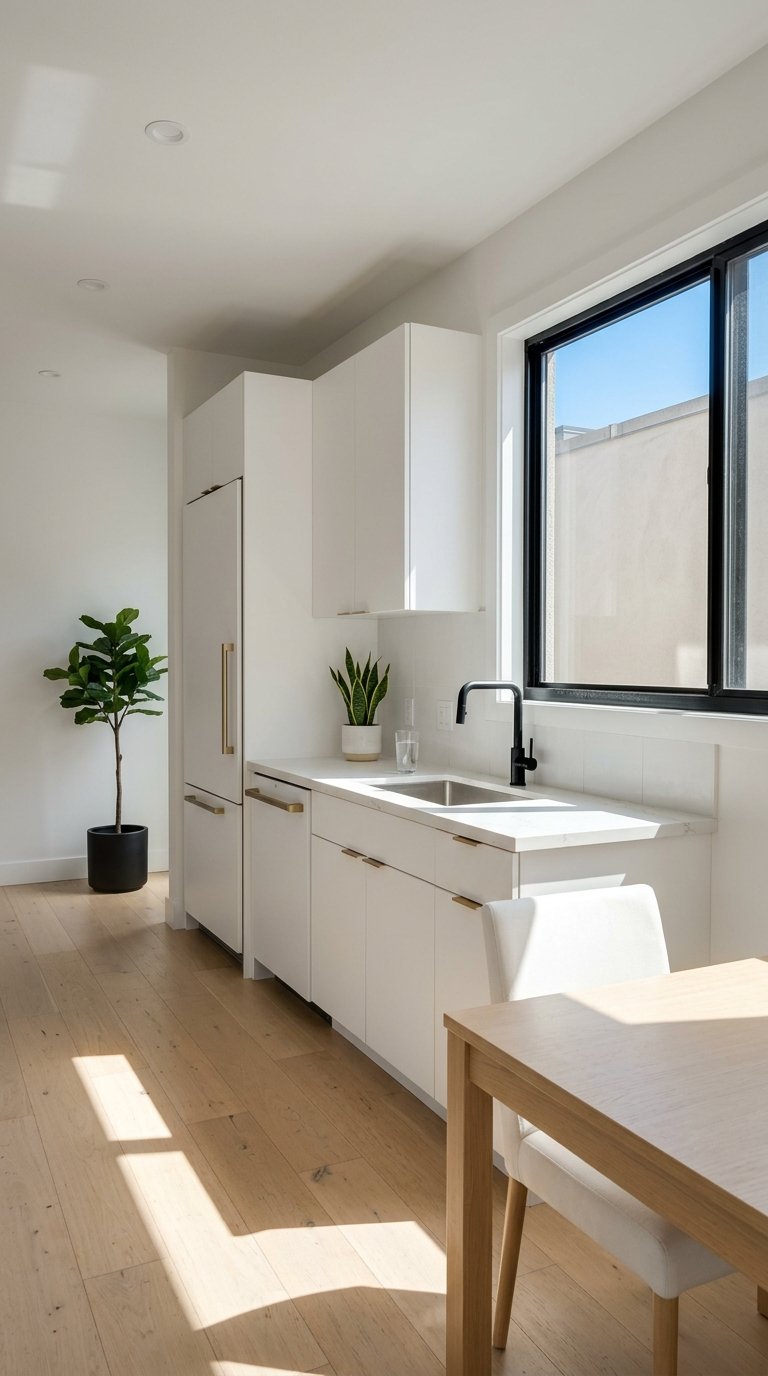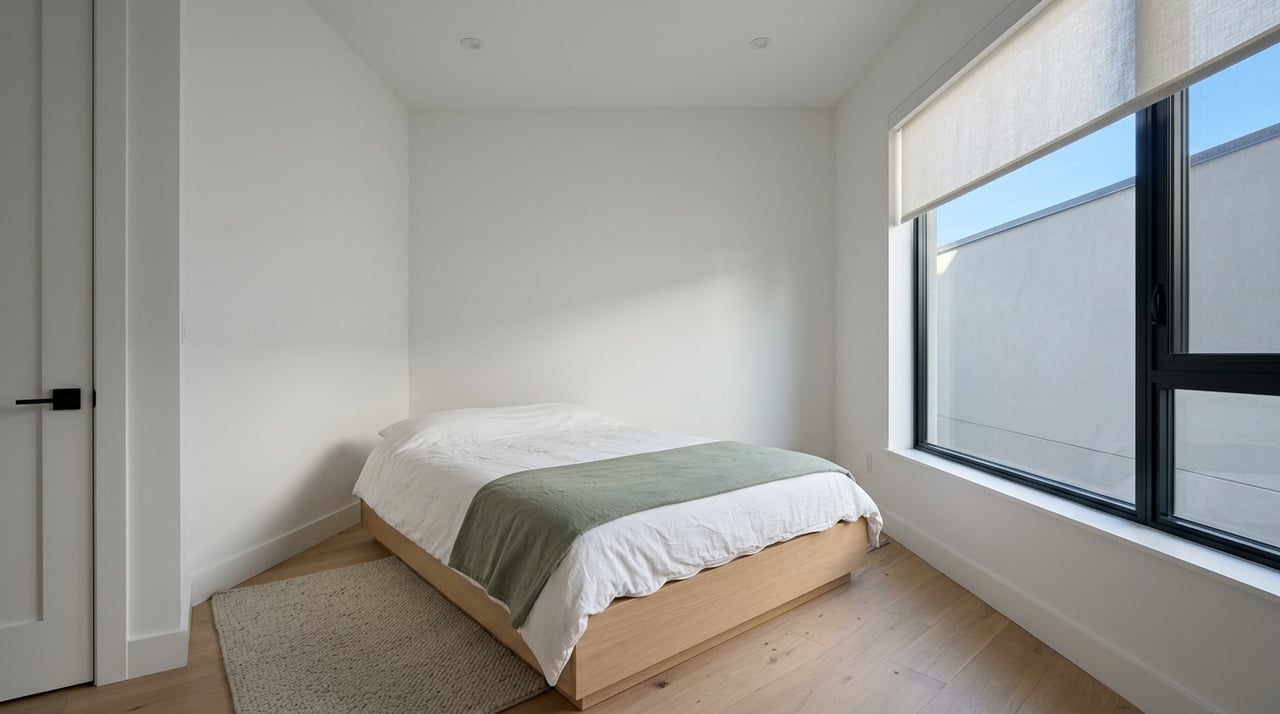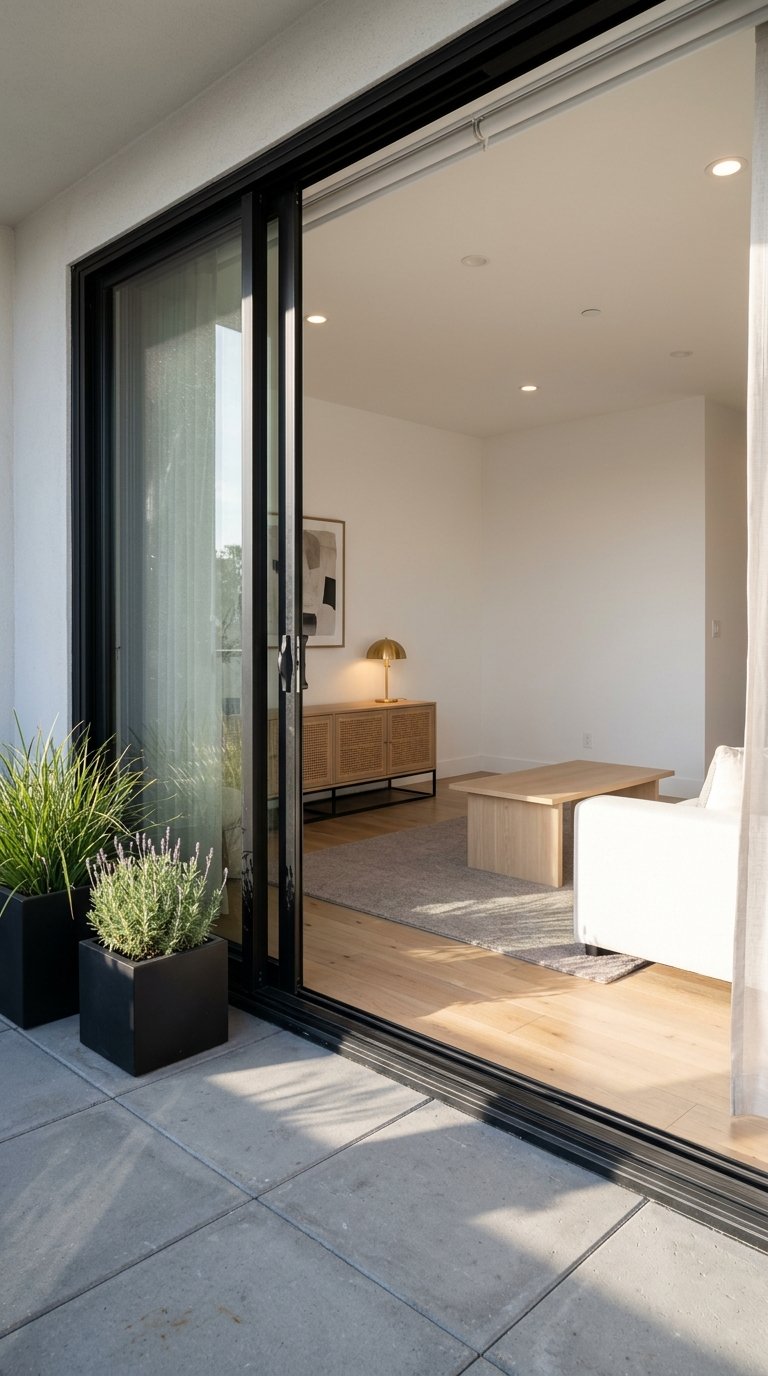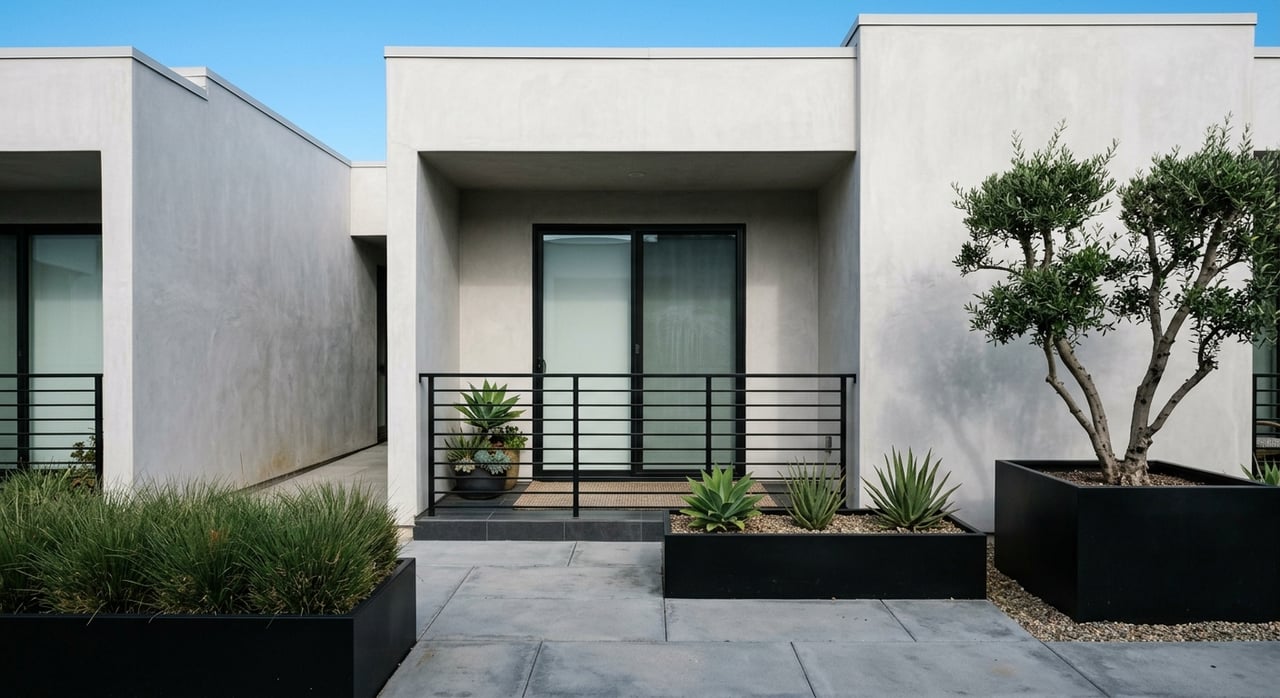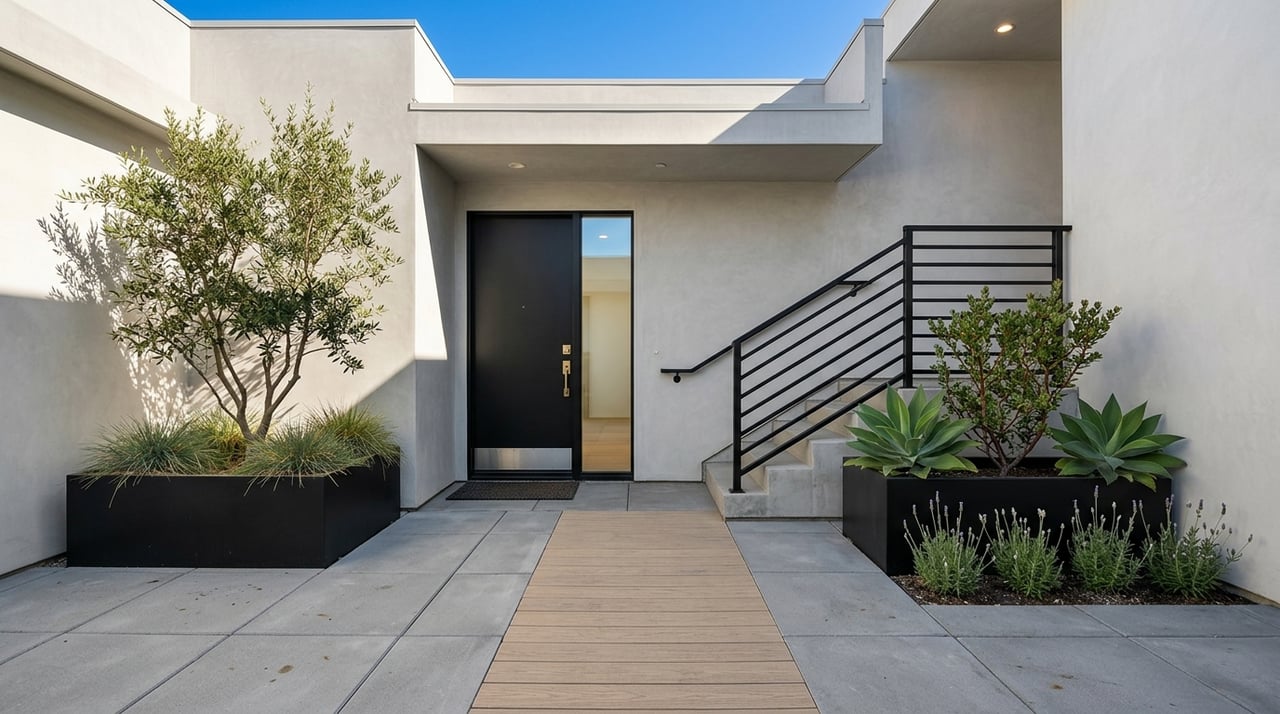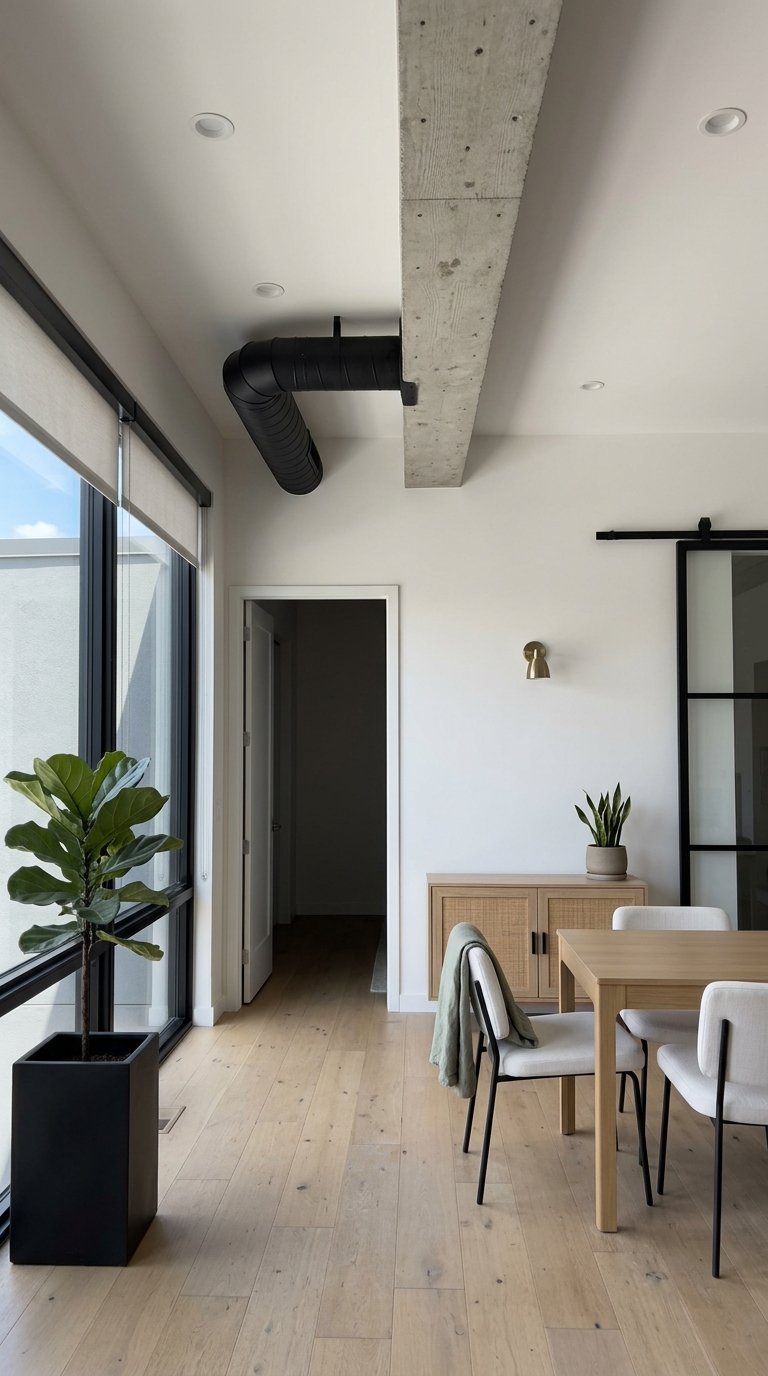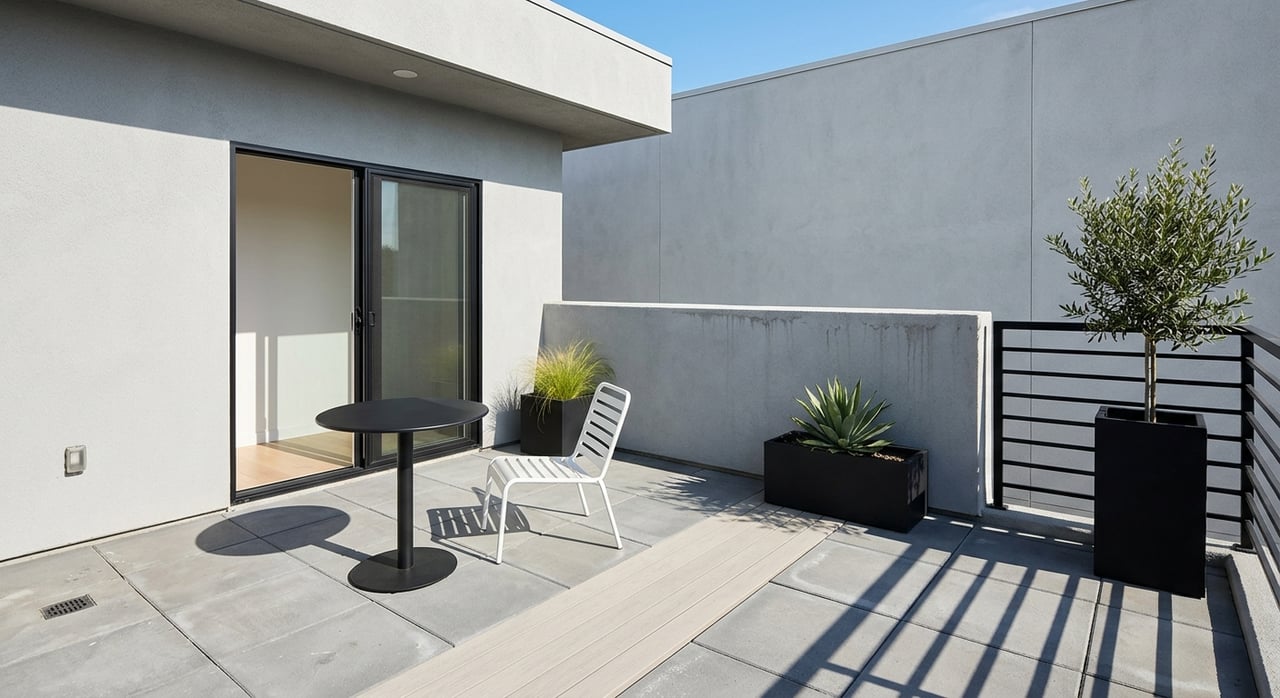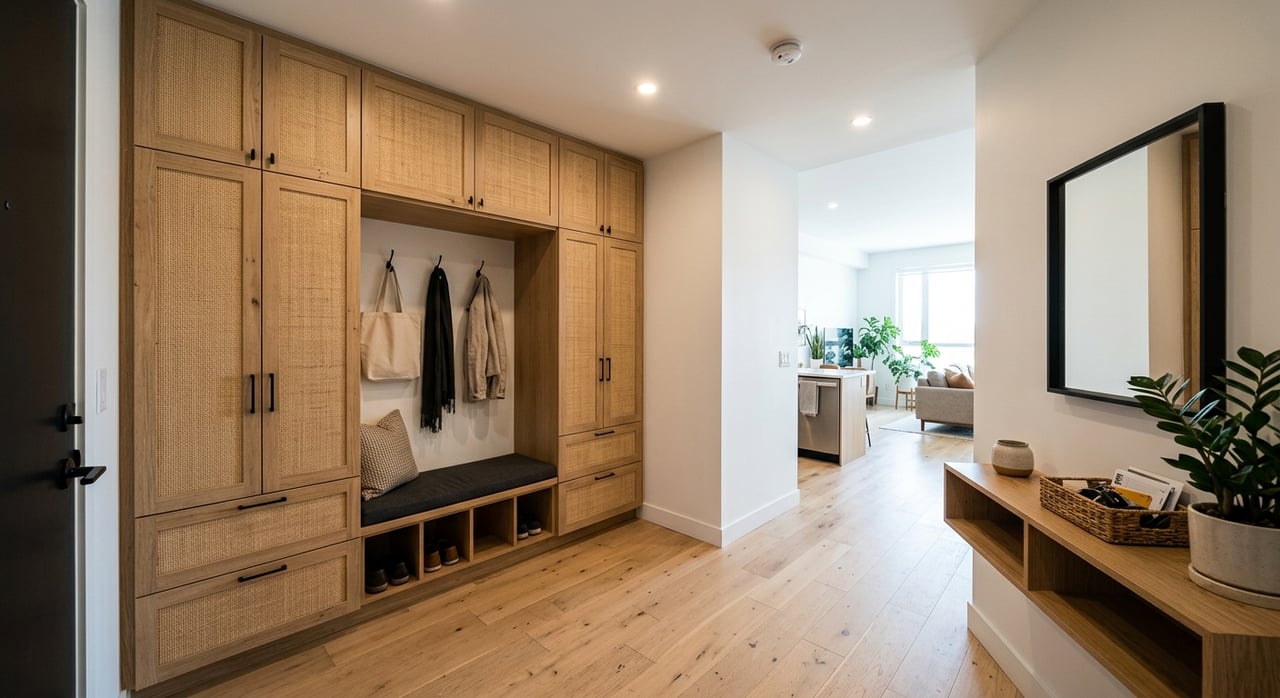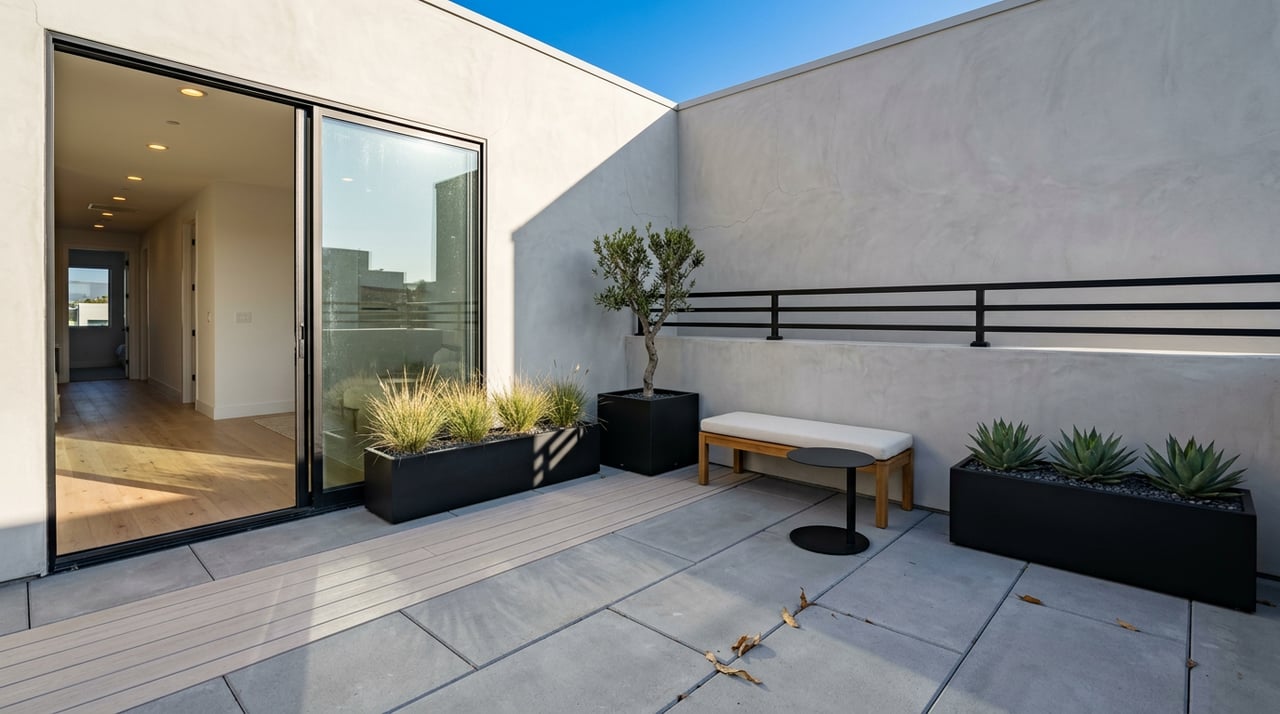
Picture yourself stepping out for coffee on Colorado Boulevard, then heading home to a quiet, design-forward condo where maintenance is handled and the rooftop is ready for sunset. If that sounds like your pace, HOA living in Old Pasadena might be a strong fit. Still, dues, rules, and historic-district details shape daily life here and deserve a clear look. This guide breaks down what fees typically cover, how California law protects you, what to review in the HOA packet, and the red flags to watch for so you can move forward with confidence. Let’s dive in.
Old Pasadena condo life at a glance
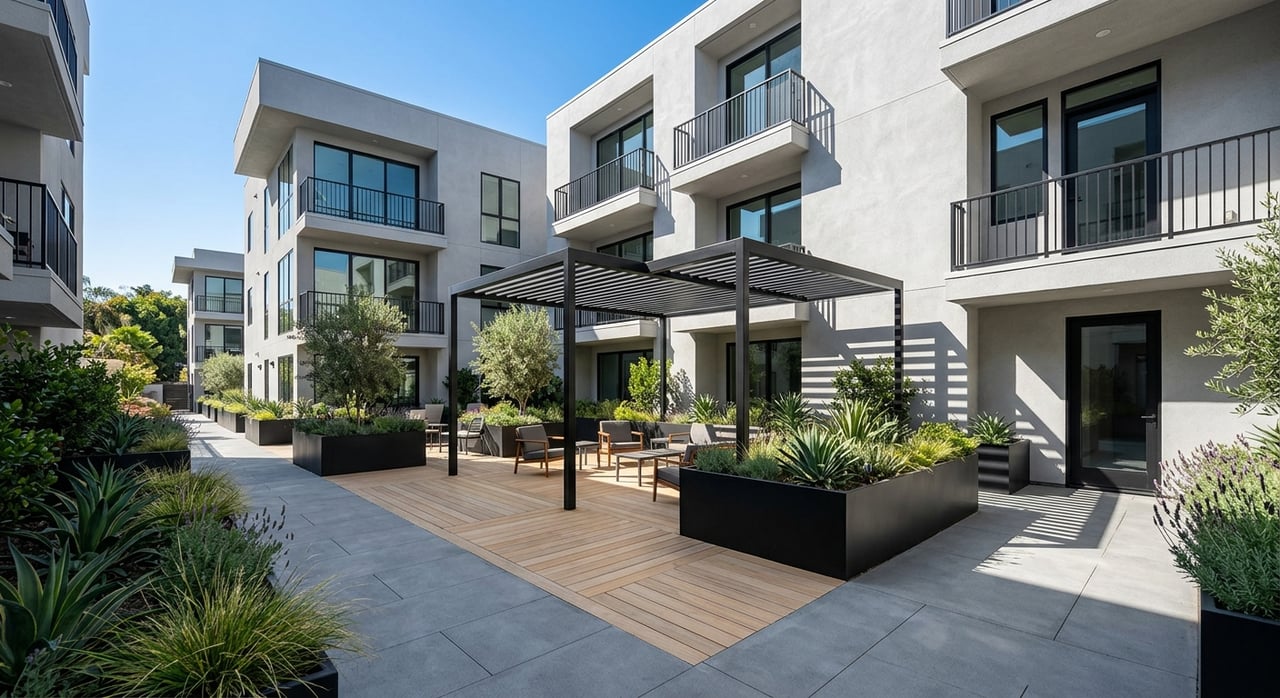
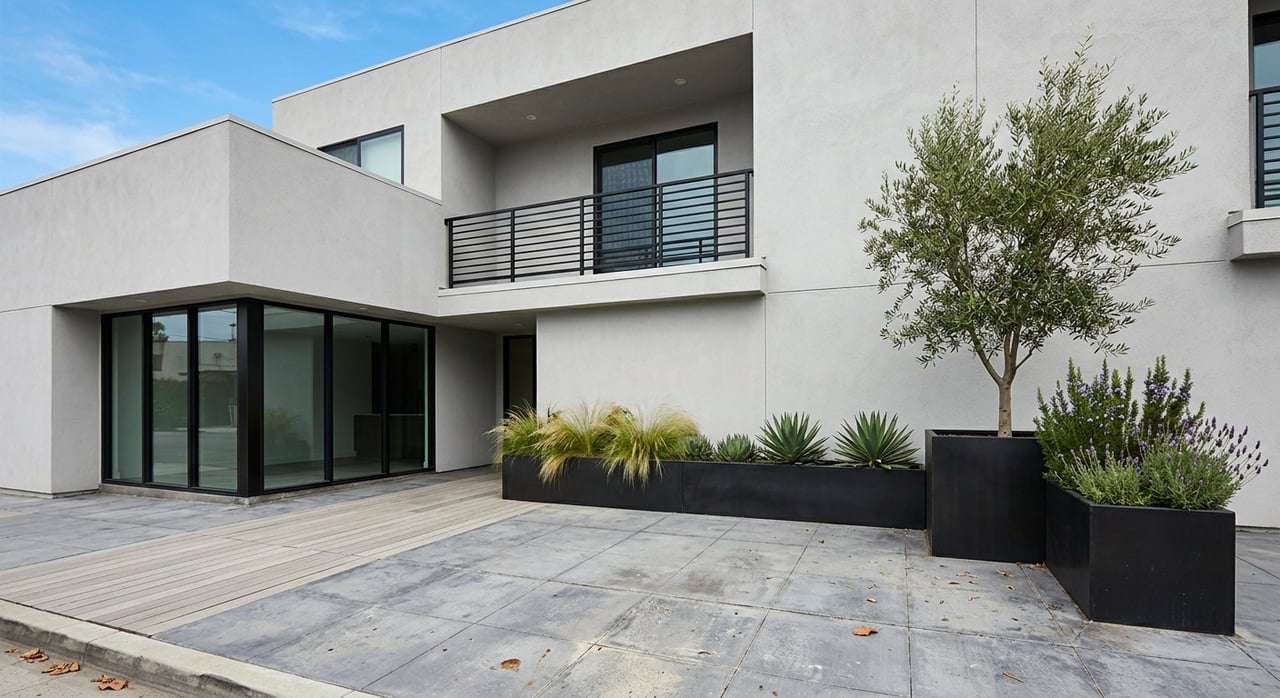
Old Pasadena is a historic, walkable district with a lively mix of dining, retail, and residential loft-style and mid-rise buildings. Many condos sit in renovated historic structures or newer infill projects, which creates a distinctive streetscape and a true urban feel. Because the area is a designated historic district, exterior changes visible from the street often require design review at the city level in addition to HOA approvals. If you plan any exterior-facing updates, factor in this extra step and timeline. You can read more about the district’s context and preservation framework in the overview of Old Pasadena’s historic designation.
HOA dues: what to expect
Recent Old Pasadena listings indicate many condo HOAs charge in the mid-500s to high-800s per month for typical units. Your exact number depends on the building’s size, amenities, insurance, utilities included, and reserve funding choices. Always confirm the current dues and what they include in the association’s disclosure packet before you write final checks.
What dues usually cover
HOA operating budgets commonly fund:
- Exterior and common-area maintenance
- Elevator service and repairs
- Landscaping, janitorial, and security where applicable
- Building and liability insurance for shared areas
- Management fees and administrative costs
- Utilities for common spaces
- Amenity upkeep such as rooftop decks, gyms, or pools
- Regular contributions to reserves for big-ticket items
If you want more context on typical expense categories, this overview of what HOA fees usually cover is a good primer.
What might not be included
Earthquake and flood insurance are often separate. Some buildings include certain utilities or internet, and some do not. Large capital projects, seismic upgrades, or major code-compliance work can trigger special assessments if reserves are short. The budget, reserve study, and insurance summaries in the packet will clarify your building’s approach.
How California law shapes your HOA
Most Pasadena condo associations operate under the Davis–Stirling Common Interest Development Act, which sets rules for disclosures, budgets, reserves, records access, and collections. This framework standardizes much of what you receive in escrow and how boards operate.
Your resale disclosure packet
Sellers must provide a statutory resale packet that includes governing documents, operating rules, budgets, insurance summaries, assessment information, and meeting minutes on request. Review this early in escrow to confirm the association’s financial health, rules, and any pending assessments. The statute outlining these items is here: Civil Code 4525 resale disclosures.
Annual budgets and reserves
Associations must prepare an Annual Budget Report and Annual Policy Statement that summarize what dues pay for, reserve funding levels, and any known special assessments. You will see these in your packet on a set timeline. For the required contents and delivery timing, see Annual Budget Report requirements.
California also requires periodic reserve studies to evaluate long-term repair and replacement needs such as roofs, elevators, and building systems. You will receive a standardized reserve funding disclosure that shows how well reserves are funded. Learn more about the reserve study process in Civil Code 5550.
Rules you will live by
Every association sets rules under its CC&Rs and operating policies. Expect guidance on pets, parking and guest parking, quiet hours, elevator and rooftop use, smoking and vaping, and architectural modifications through an ARC or similar committee. Rental policies may include minimum lease terms or caps that go beyond city rules. Because Old Pasadena is a historic district, exterior changes that are visible from the street can also require city design review, so plan ahead if you want to personalize balconies or any street-facing elements.
Short-term rentals in the city of Pasadena
Pasadena has a permitting framework and limits for short-term rentals. Your HOA may add stricter rules or prohibit STRs outright. Before you assume you can host, confirm both the city’s program and the building’s rental rules. You can review the city’s code section on short-term rental rules and permits.
Financial health: what to read and why it matters
A strong HOA has transparent budgets, adequate reserves, routine maintenance schedules, and predictable assessments. When you review the packet, look at the pro forma budget, the most recent reserve study and funding disclosure, current financial statements, and the accounts receivable aging to see if a large share of owners are behind on dues. Read the last 12 months of meeting minutes to spot recurring issues, upcoming projects, or litigation discussions.
If reserves are low or special assessments have become common for basic repairs, you are taking on higher risk. Collections and lien procedures exist under California law if owners do not pay assessments, which can strain community relations and affect financial stability. Ask your agent to help you analyze these items and to build contingencies into your offer for a thorough review.
Insurance: what protects you and the building
Your building likely carries a master policy for the structure and shared areas, plus liability and directors and officers coverage. The scope can vary by building, from all-in to walls-in to bare walls policies, and earthquake or flood coverage is not always included. Owners typically carry an HO-6 condo policy plus loss assessment coverage to account for master deductibles and gaps. For a concise overview of master policy types and statutory protections, see this guide to HOA insurance basics.
In earthquake-prone California, it is smart to ask whether the HOA carries earthquake coverage and, if so, at what deductible. If not, request quotes for an HO-6 and loss assessment endorsement for seismic events. The California Earthquake Authority explains condo owner options here: earthquake insurance for condominium owners.
Rentals and lending: plan ahead
If you plan to rent your unit, confirm any HOA rental caps or minimum terms, and verify how those align with city rules. If you will finance your purchase, ask your lender to check whether the project meets Fannie Mae or FHA criteria. Project eligibility can affect your loan options and future resale, especially if reserves are underfunded, insurance is thin, or the commercial-use ratio is high. Your lender can run the building through Fannie Mae’s Condo Project Manager to spot potential underwriting issues.
A quick due diligence checklist
Use this list to streamline your review:
- Order the complete statutory resale packet early. Confirm you will receive CC&Rs, bylaws, operating rules, the Annual Budget Report and Annual Policy Statement, the latest reserve study and funding disclosure, insurance summaries, recent minutes, and any notices of litigation or special assessments. See Civil Code 4525 resale disclosures for required items.
- Review the pro forma budget and reserve summary. Compare reserve percent funded against the study’s recommended targets. See Annual Budget Report requirements and the reserve study statute in Civil Code 5550.
- Read 12 months of board minutes. Look for patterns in repair requests, amenity issues, or discussions of litigation.
- Ask for accounts receivable aging and delinquency rates. High delinquencies can strain cash flow and trigger collections.
- Confirm master insurance limits, deductibles, and what the policy covers. Clarify whether earthquake coverage is included. For scope basics, see HOA insurance, and consider seismic options through the California Earthquake Authority.
- Verify rental rules and how they align with the city’s short-term rental program if hosting is part of your plan.
- If financing, have your lender check project eligibility using Fannie Mae’s Condo Project Manager.
Is HOA living right for you?
If you value walkability, low-maintenance living, and shared amenities, an Old Pasadena condo can deliver a refined, lock-and-leave lifestyle. You trade some independence for predictability and professional management, which many buyers prefer. The keys are clarity on dues and reserves, awareness of historic-district review for exterior changes, and a strong read on insurance. With the right prep, you can enjoy an effortless home base in the heart of Pasadena.
When you are ready to tour condos and want a clear, trustworthy read on HOA fit, budget strength, and long-term value, connect with a local expert. Schedule a private tour with Shahe Seuylemezian for a calm, transparent path to the right Pasadena condo.
FAQs
What is HOA living like in Old Pasadena condos?
- Expect a walkable, urban setting, professionally managed buildings, monthly dues for shared costs, clear rules for daily living, and added review for exterior changes due to the historic district.
How much are typical HOA dues in Old Pasadena?
- Many buildings report dues in the mid-500s to high-800s per month, with exact amounts depending on amenities, insurance, utilities included, and reserve funding choices.
Which documents should I review before I buy?
- Read the full resale disclosure packet, Annual Budget Report, reserve study and funding disclosure, insurance summaries, 12 months of minutes, and the accounts receivable aging.
Do Old Pasadena HOAs usually include earthquake insurance?
- Not always. Ask if the HOA carries earthquake coverage and the deductible; if not, price an HO-6 with loss assessment for seismic events.
Can I do short-term rentals in an Old Pasadena condo?
- Only if both the city and your HOA allow it. Pasadena has a permit program and limits, and many buildings add stricter rental rules or minimum lease terms.
How does the historic district affect condo renovations?
- Interior updates are usually within HOA rules, but exterior changes visible from the street often require both HOA approval and city design review.
What does the HOA master policy cover versus my HO-6?
- The master policy covers shared elements and structure to a defined scope, while your HO-6 covers your interior, personal property, improvements, and loss assessments, subject to deductibles and limits.
How can HOA finances affect my mortgage approval?
- Underfunded reserves, major litigation, insurance gaps, or high delinquencies can limit loan options or raise costs. Lenders check project eligibility with tools like Fannie Mae’s CPM.