Thinking about buying a condo in Pasadena as an investment or part-time home? You are not alone. With strong local employers, walkable neighborhoods and year-round culture, Pasadena can offer steady demand if you choose wisely. In this guide, you will learn how to evaluate rents, factor in HOA dues, understand rules that affect income and plan a clean exit. Let’s dive in.
Why Pasadena drives demand
Employment and institutions
Pasadena benefits from reliable demand linked to major institutions. Caltech, Jet Propulsion Laboratory and Huntington Hospital anchor year-round housing needs for faculty, researchers, medical staff and contractors. Nearby colleges like ArtCenter College of Design and Pasadena City College also add student and staff demand.
Lifestyle and walkability
Old Pasadena, the Playhouse District and South Lake provide shopping, dining and culture that attract owner-occupiers and renters. The Norton Simon Museum, Pasadena Playhouse and a busy restaurant scene make these areas appealing for people who want an urban lifestyle with lower maintenance. Walkable pockets often see stronger resale interest.
Transit and commutes
Proximity to downtown Los Angeles via I‑210 and I‑110, along with regional light rail options, supports demand from commuters. Condos near transit corridors tend to be more competitive for both long-term renters and buyers who value shorter commutes.
How this affects rentals and resale
Condos close to Caltech, JPL and transit can see consistent long-term rental interest from professionals. Units around Old Pasadena and South Lake may enjoy strong owner-occupier demand and occasional short-term rental spikes during events. Keep in mind that high owner-occupier competition can limit cap rates, and short-term rentals are often restricted by HOA rules and city ordinances.
Build your rental pro forma
Define the product and submarket
Start by defining the exact type of unit you are analyzing. Match bedrooms, bathrooms, square footage, floor level, parking, outdoor space, building age and amenities. Submarkets matter in Pasadena. Old Pasadena, the Playhouse District, South Lake, Madison Heights, neighborhoods near Caltech and areas by the Rose Bowl each have different price points and seasonality.
Pull the right rent comps
Use recent leases and active listings to triangulate market rent. Focus on comps in the same building when possible, then immediately adjacent buildings with similar amenities. Track differences that matter for pricing, such as in-unit laundry, secure parking, gym access, balcony size and renovation level. Keep notes on time-on-market and any advertised concessions.
Model occupancy and seasonality
Plan for year-round demand from employers like Caltech, JPL and local hospitals. Professionals often prefer 12-month terms, while students may accept 9 to 12 months aligned with the academic year. Budget a conservative vacancy allowance, commonly 4 to 8 percent depending on submarket competition. Short-term spikes around the Rose Parade and Rose Bowl can boost income for a few dates, but those are limited days and subject to rules.
Long term vs short term rentals
Short-term rentals can look lucrative on paper, especially near major events. In practice, STRs carry higher turnover costs, higher management fees and regulatory risk. Many HOAs and cities restrict or prohibit STRs. For most owner-occupier investors, long-term rentals offer more stable income and simpler operations.
HOA dues and expenses matter
Line items to include
Build a simple pro forma before you write an offer. Include:
- Gross scheduled rent based on comps
- Vacancy and credit loss allowance
- Operating expenses you will pay, such as utilities not covered by the tenant
- HOA dues
- Property taxes and special assessments
- Insurance for the unit, plus an understanding of the HOA master policy
- Maintenance and repairs
- Property management fees
- Capital reserves and any known or potential special assessments
How HOA dues affect NOI
HOA dues directly reduce your net operating income. Higher dues can also limit what tenants are willing to pay, which affects turnover and rent growth. Review the HOA’s financial health. Ask for budgets, bank statements, reserve studies and recent board minutes. Rental caps, minimum lease terms and owner-occupancy requirements can change your revenue plan.
Illustrative cap rate examples
Consider two simple scenarios to see how HOA dues and taxes change returns.
Example 1, conservative long-term rental:
- Purchase price: $600,000
- Monthly rent: $2,500, annual gross: $30,000
- Vacancy 6 percent, effective gross income: $28,200
- HOA $600 per month, annual HOA: $7,200
- Property tax at 1.1 percent: $6,600
- Insurance and other operating plus management: $4,000
- NOI: $10,400, implied cap rate: 1.73 percent
Example 2, higher rent or lower HOA:
- Purchase price: $600,000
- Monthly rent: $3,200, annual gross: $38,400
- Vacancy 5 percent, effective gross income: $36,480
- HOA $350 per month, annual HOA: $4,200
- Property tax at 1.1 percent: $6,600
- Other expenses: $4,500
- NOI: $21,180, implied cap rate: 3.53 percent
Takeaway: HOA dues and property taxes are large line items. Run multiple scenarios with real comps and the exact dues for your building.
Financing and rules to verify
Lender and project eligibility
Condo loans depend on project eligibility. Lenders often look for minimum owner-occupancy ratios and low delinquency on HOA dues. Some buyers need FHA or VA approvals. Higher-priced condos may require jumbo financing with larger down payments. If you plan to use projected rent to qualify, confirm how the lender will underwrite that income.
HOA rules that impact renting
Read the CC&Rs and rules for rental caps, minimum lease terms, subletting, pet policies and parking rights. Confirm master insurance coverage and unit-owner requirements. Ask about pending litigation. A rental cap that is already met or a 6-month minimum lease rule can change your plan.
City and state regulations
Confirm City of Pasadena requirements for short-term rental permits, transient occupancy tax and any business or rental registrations. State laws on rent caps and just-cause eviction affect rent increases and timelines. A quick call with a local attorney or property management professional can help you understand current rules before you buy.
Resale and exit planning
Who your future buyer is
Well-located Pasadena condos often sell to owner-occupiers who value walkability and a move-in ready home. If you hold as a rental, a clean rent roll and documented NOI can attract investor buyers. Your exit price will reflect location, building stability and unit condition.
What boosts resale appeal
Buyers care about HOA financial health, reserves and maintenance. Parking, storage, recent renovations and seismic or elevator updates matter. Walkability, transit access and neighborhood retail are key. Families may also consider school options, so provide neutral, factual information where available.
Timing and liquidity
Condo liquidity can lag single-family homes. In slower markets, units in prime walkable locations still tend to move faster. If resale is a priority, focus on buildings with healthy reserves, clear rental policies and a track record of stable operations.
Due diligence checklist
Use this list to streamline your evaluation:
- Review 12 to 24 months of HOA financials, budget, bank statements and the reserve study.
- Read CC&Rs, bylaws, rental policies, pet rules and recent meeting minutes.
- Confirm City of Pasadena short-term rental rules, licensing and any transient occupancy tax.
- Get the master insurance policy and clarify unit-owner coverage requirements.
- Verify property tax basis, special assessments and any local assessments with county records.
- Pull rent comps from the same building and nearby buildings with similar amenities.
- Confirm lender project eligibility and expected loan terms, including any FHA or VA status.
- Order inspections. For older buildings, consider seismic and structural review.
- If occupied, request the rent roll, leases and security deposit records.
- Estimate closing costs and model future exit costs, then discuss tax treatment with a professional.
Where boutique new construction fits
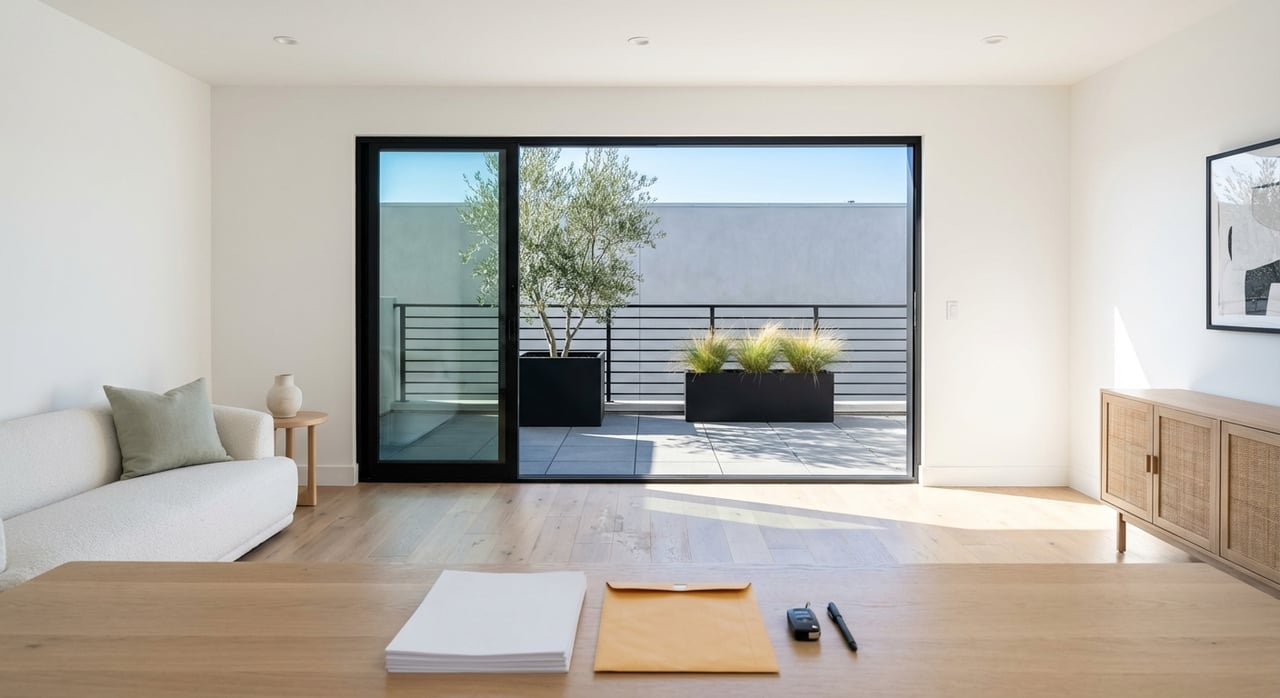
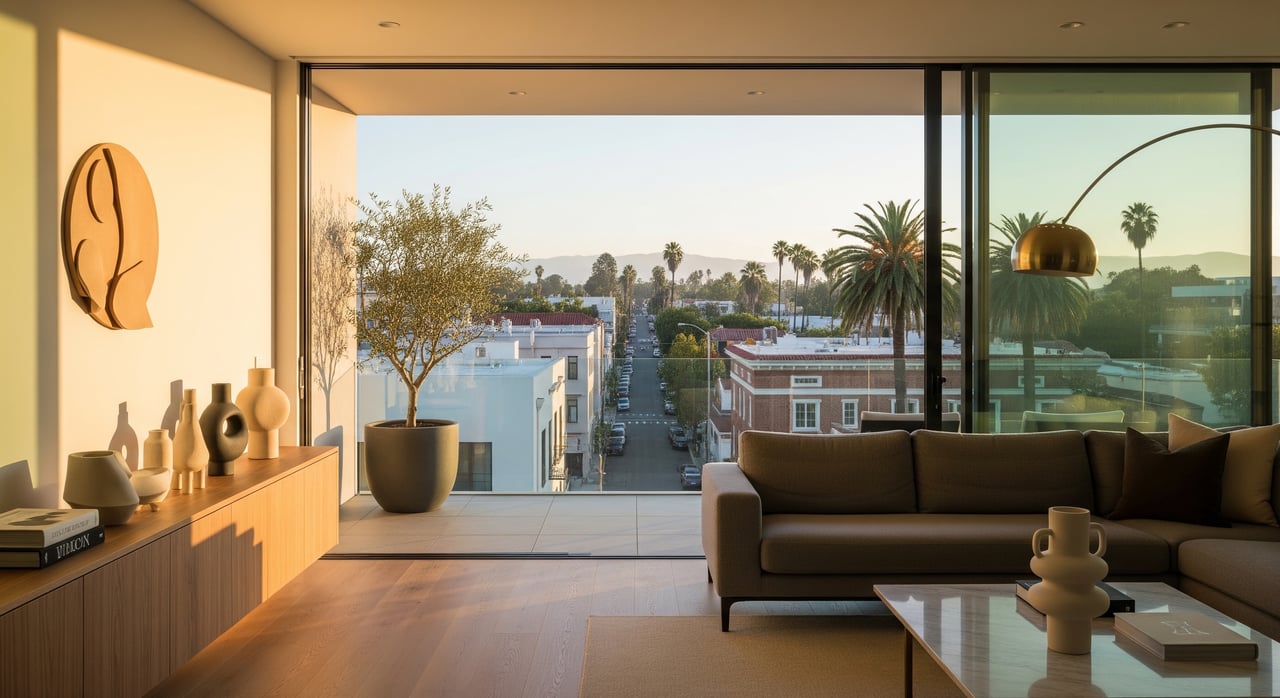
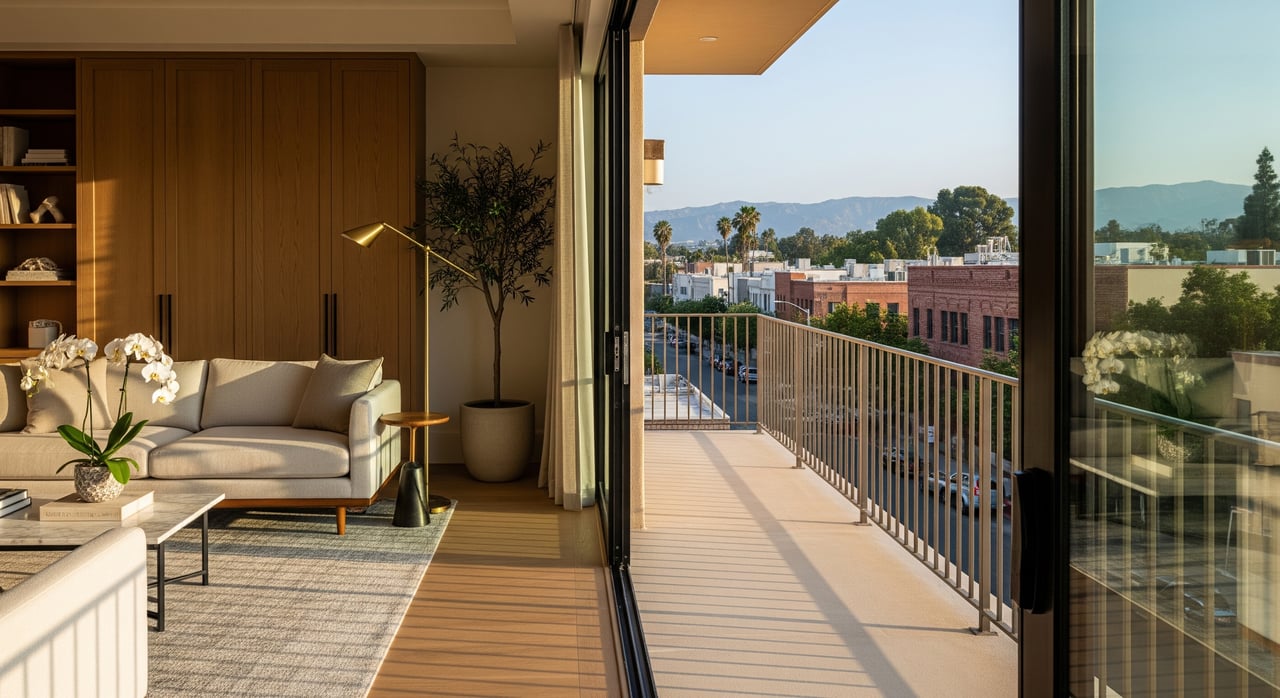
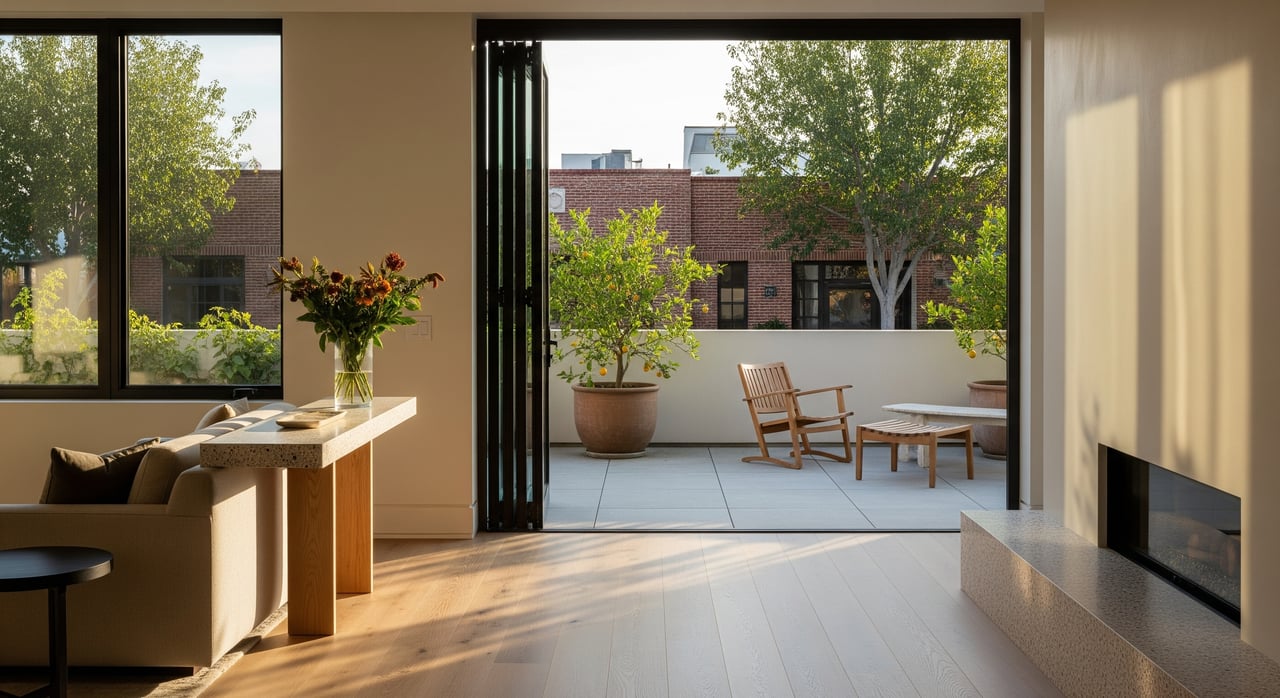
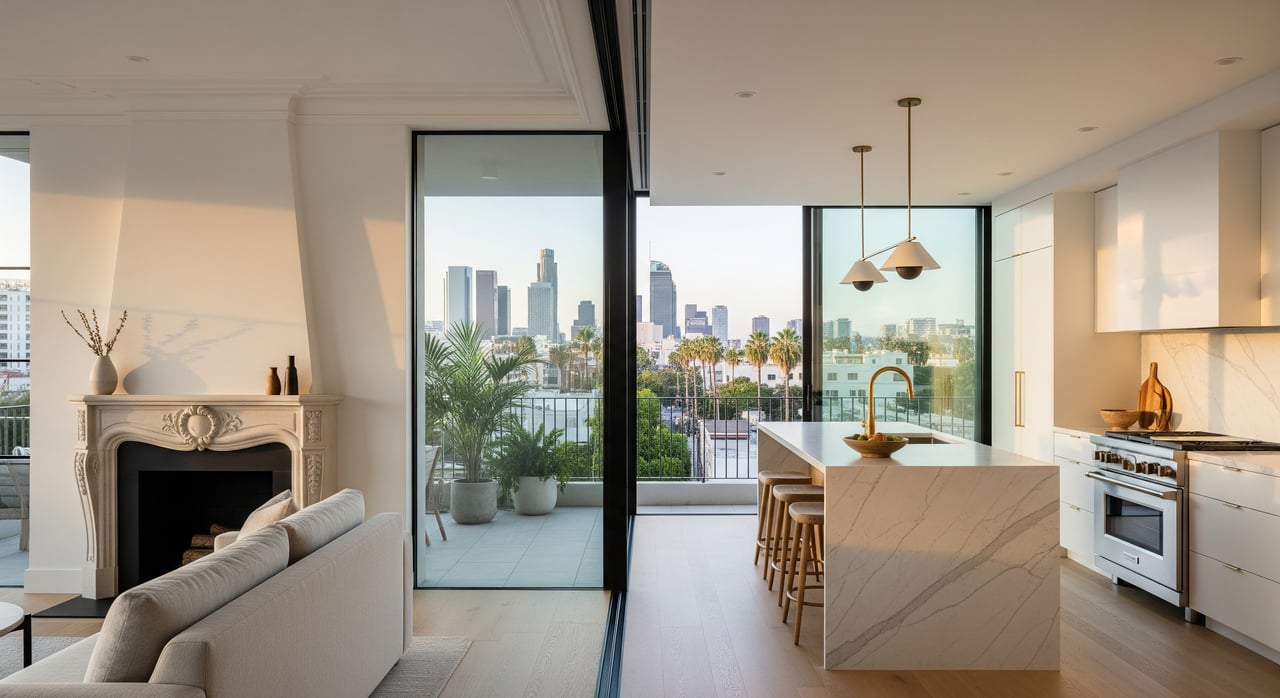
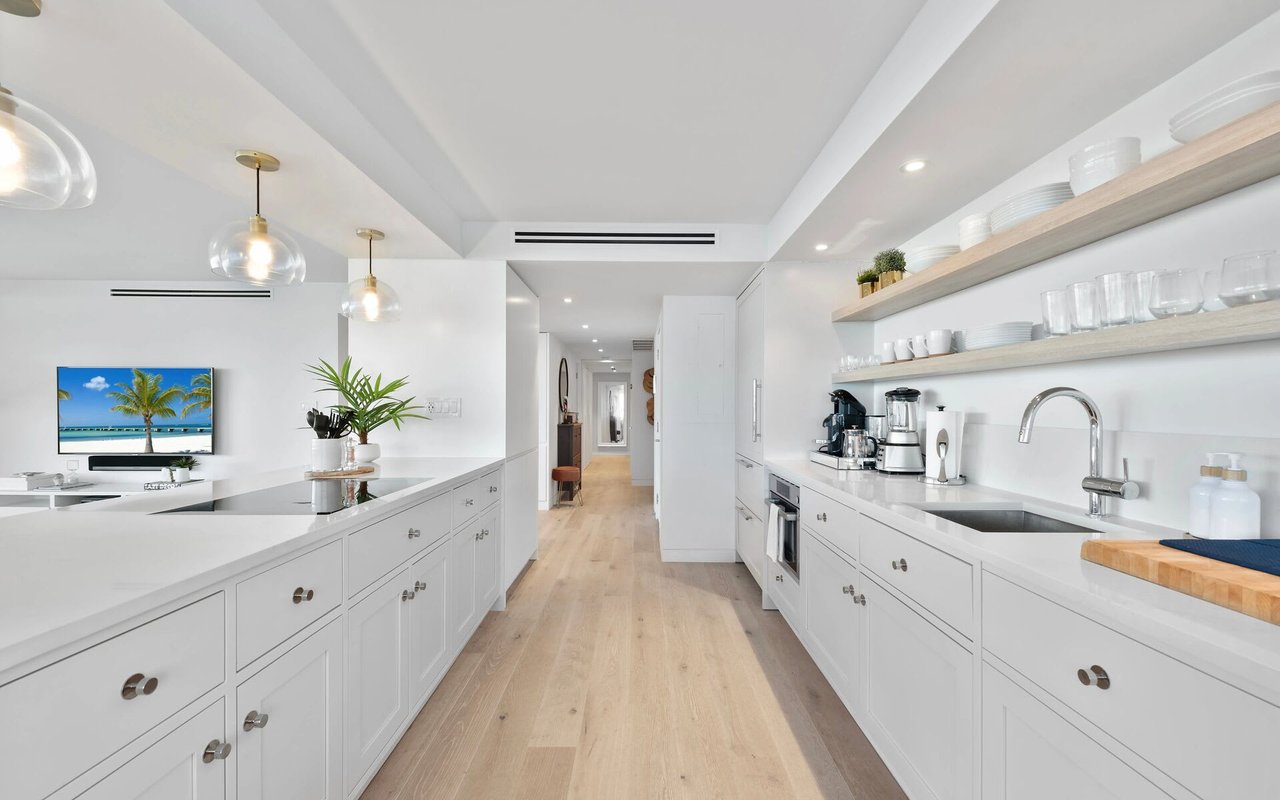
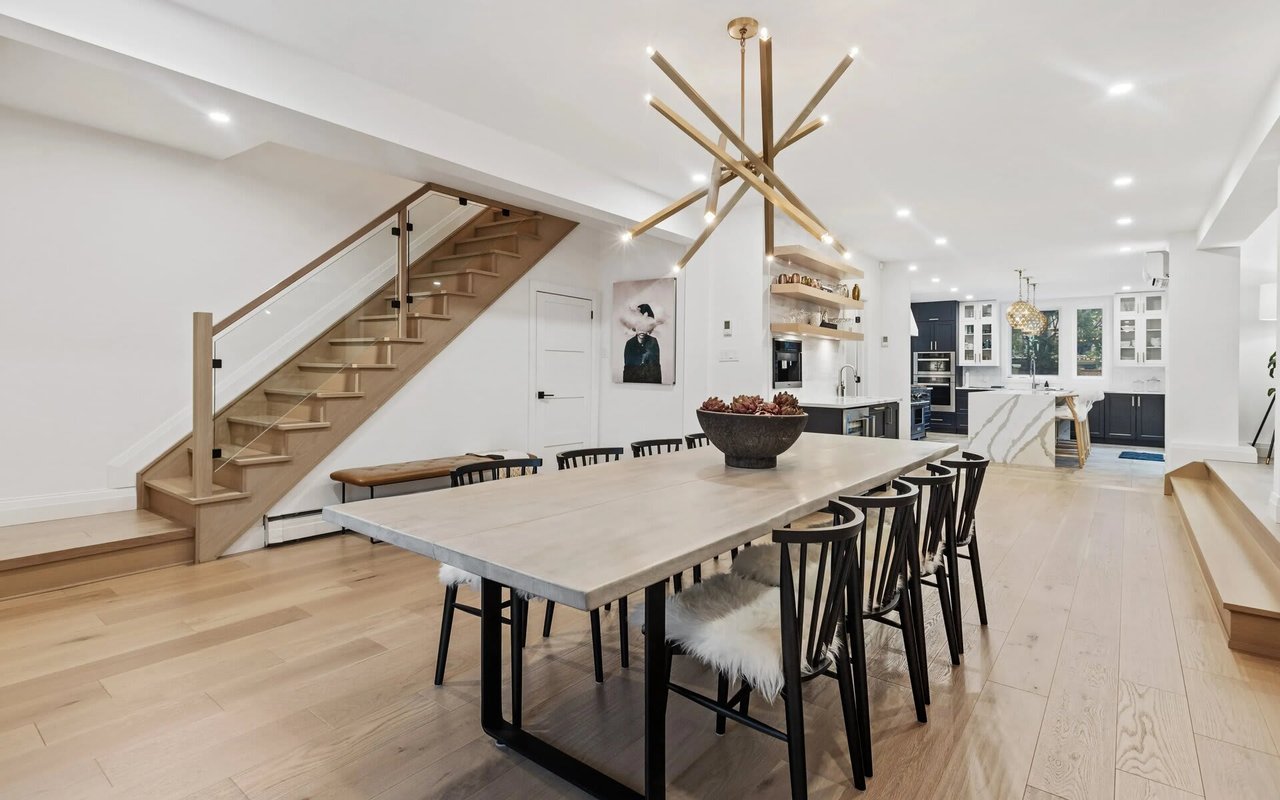
New construction can offer finish certainty, predictable maintenance and a modern living experience that renters and buyers value. In Pasadena’s Playhouse District, a boutique building with secure parking, a rooftop amenity space and private balconies can be especially attractive to professionals who want a turnkey home near culture and transit. A smaller, well-managed HOA with transparent budgets can also help reduce risk around special assessments and rules.
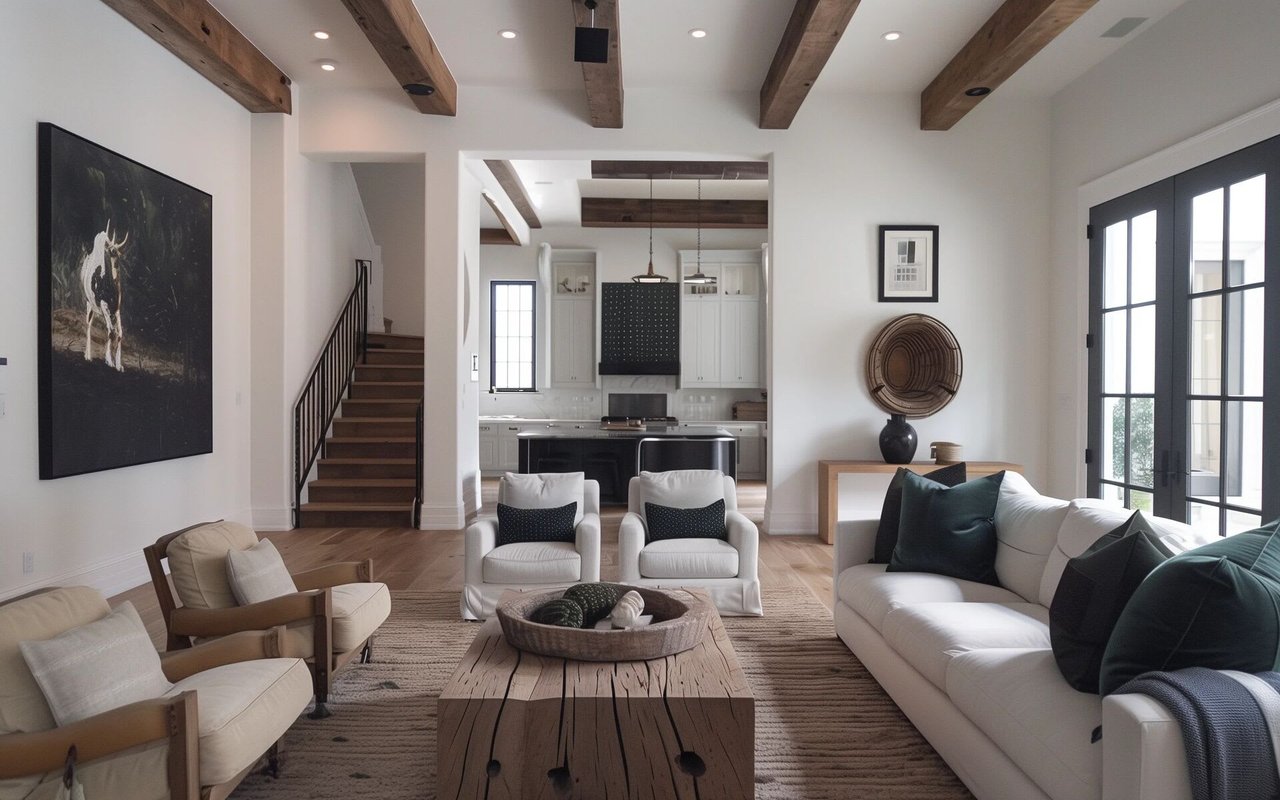
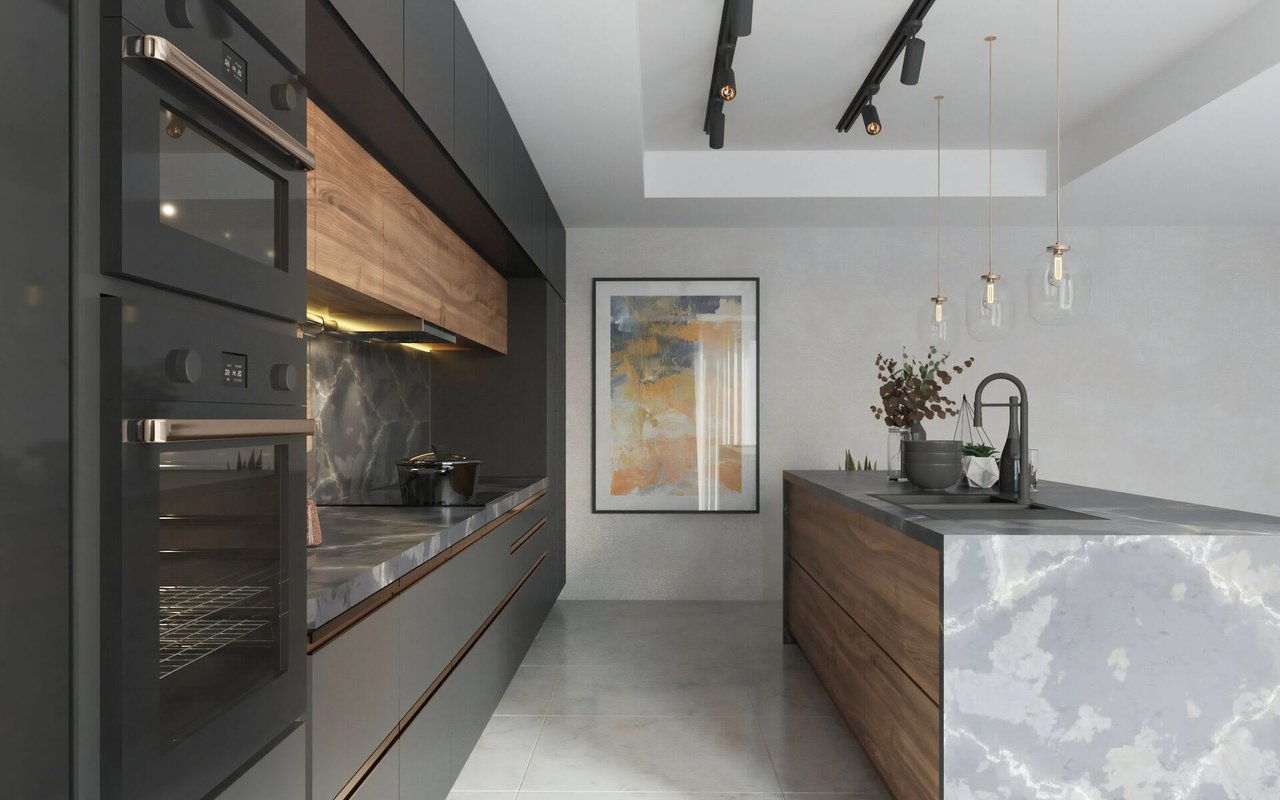
If you prefer a refined, design-forward option, consider a curated, low-rise building that delivers quality construction and neighborhood intimacy. Features like high ceilings, premium finishes and thoughtful layouts can support strong owner-occupier appeal, which often helps on exit. Always verify the HOA’s rental policies, dues and reserves, then run your numbers with real comps before you write an offer.
A Pasadena condo can be a smart investment when you match the right submarket to your goals, model NOI with discipline and confirm the rules that govern your income. If you want a thoughtful, move-in ready home base or a long-term rental with strong lifestyle appeal, we can help you evaluate the fit.
Ready to tour new-construction options in the Playhouse District and compare numbers side by side? Schedule a private visit with local expert Shahe Seuylemezian to see how a Pasadena condo could work for you.
FAQs
How do I estimate rent for a Pasadena condo?
- Start with same-building comps and nearby buildings with similar size, parking and amenities, then adjust for condition, outdoor space and time on market.
What is the biggest expense risk for condo investors in Pasadena?
- HOA dues and special assessments can quickly change returns, so review financials, reserve studies and board minutes before you commit.
Can I use a Pasadena condo as a short-term rental?
- Many HOAs and cities restrict STRs, so verify HOA rules and City of Pasadena requirements, including permits and transient occupancy tax, before assuming STR income.
What makes the Playhouse District appealing for investors and owners?
- Walkable culture, dining and transit access create steady demand, and well-managed boutique buildings can offer strong owner-occupier resale appeal.
How is condo financing different from a single-family home?
- Lenders underwrite the project as well as the borrower, looking at owner-occupancy ratios, delinquency and insurance, and higher-priced units may need jumbo loans.