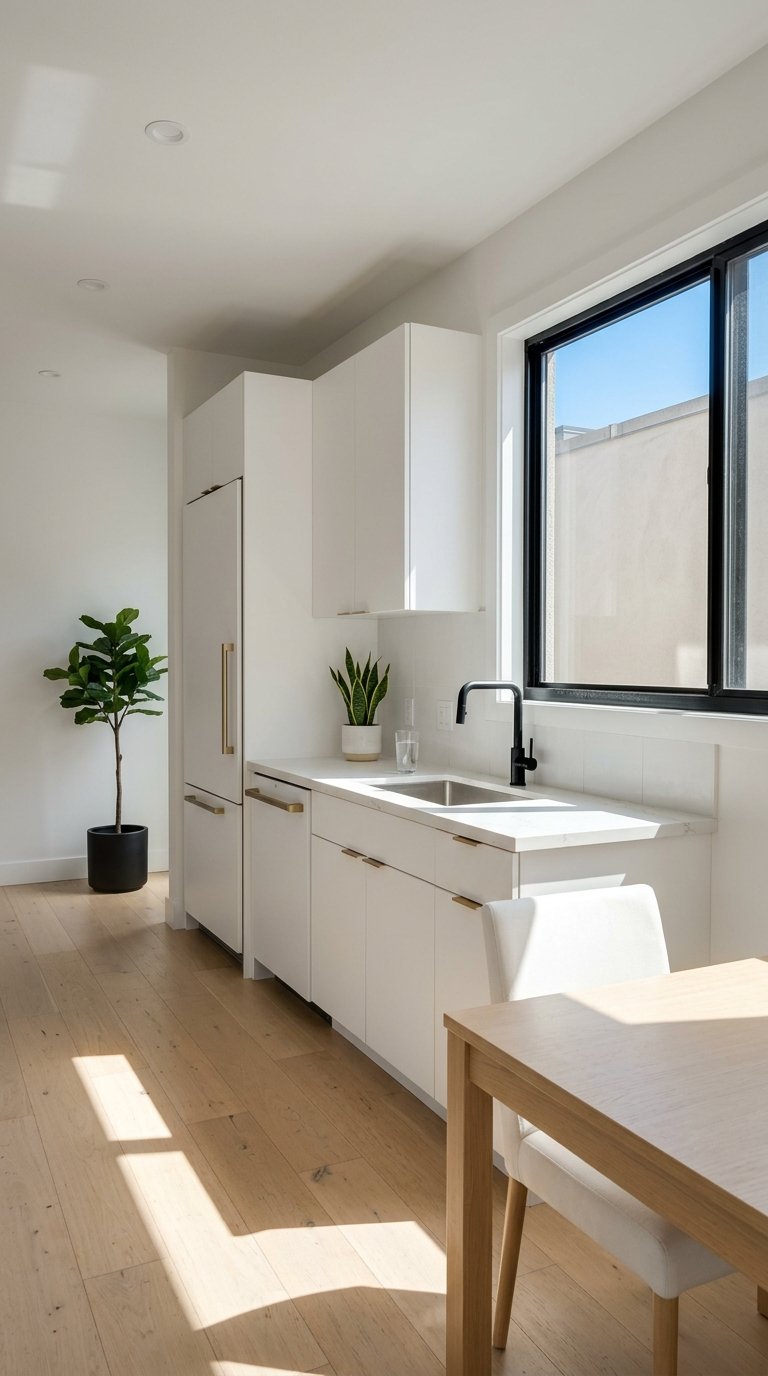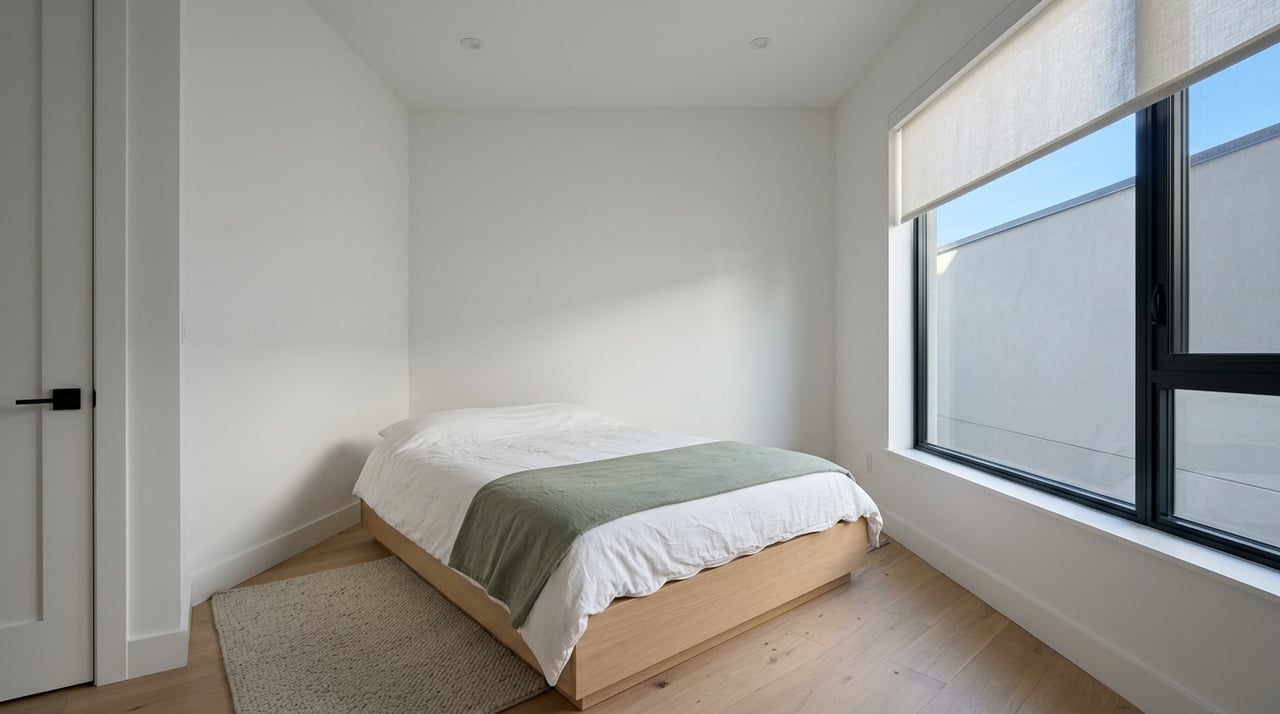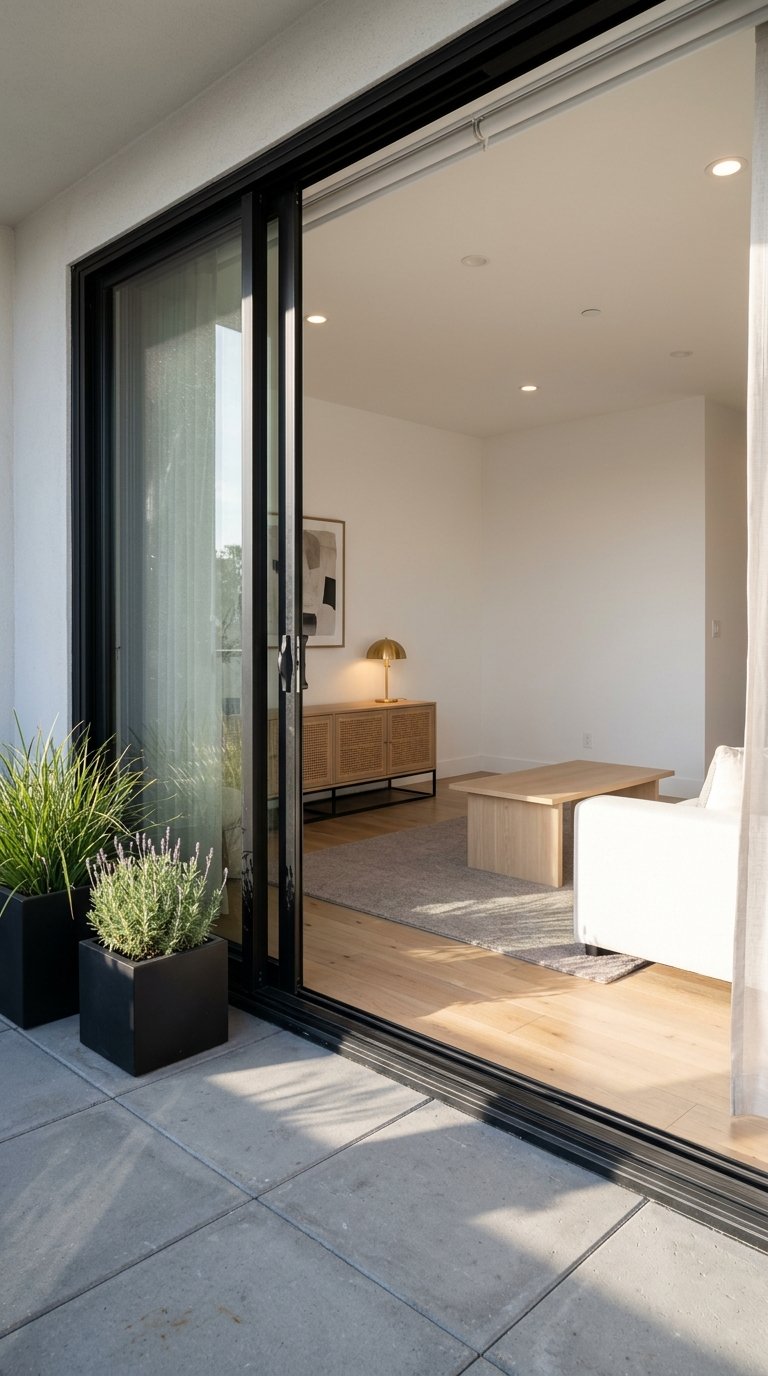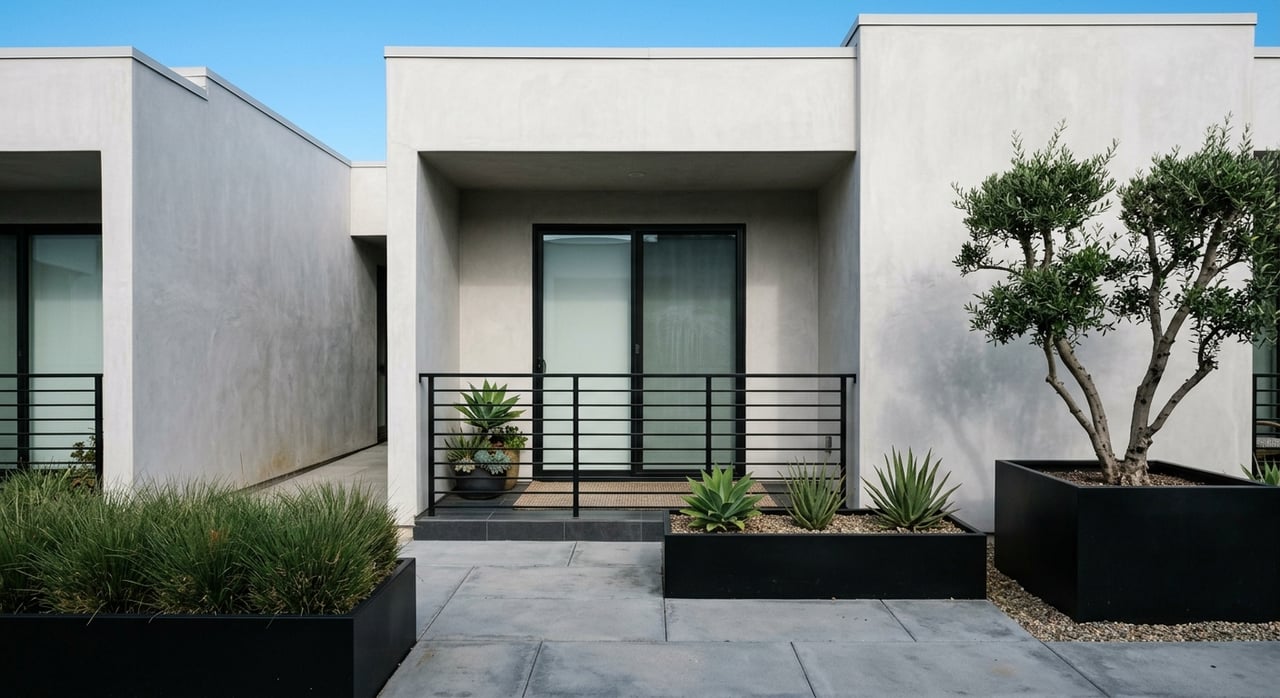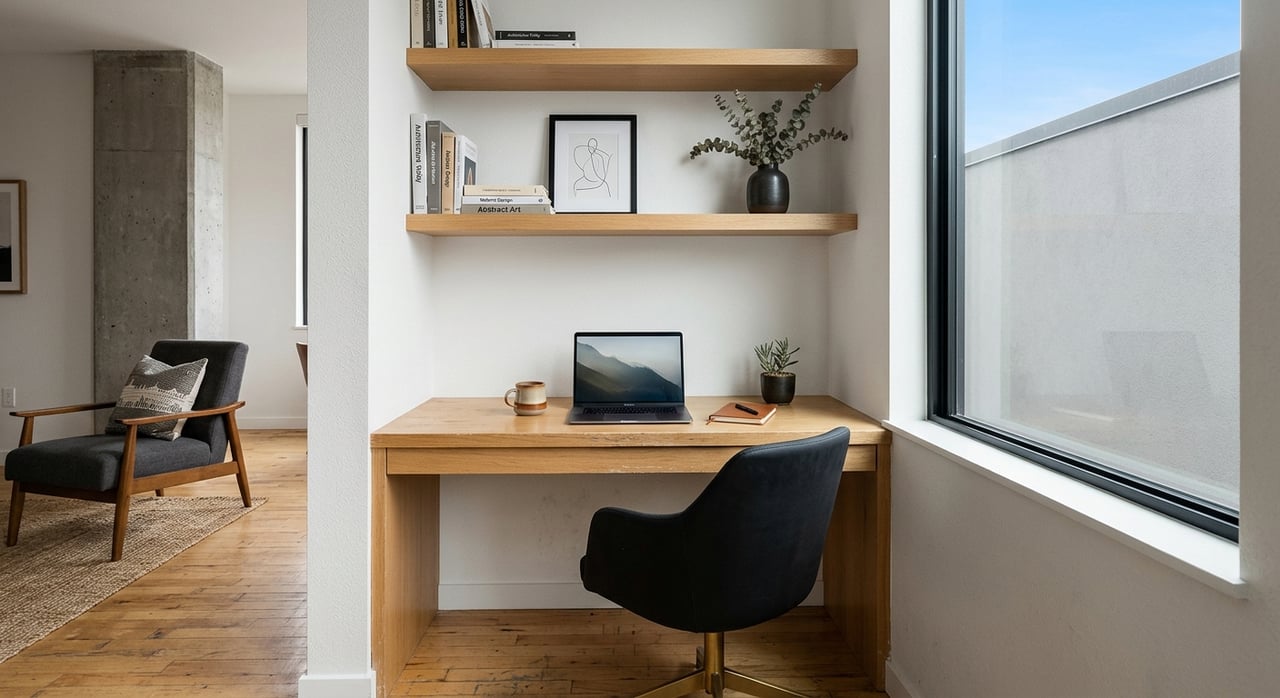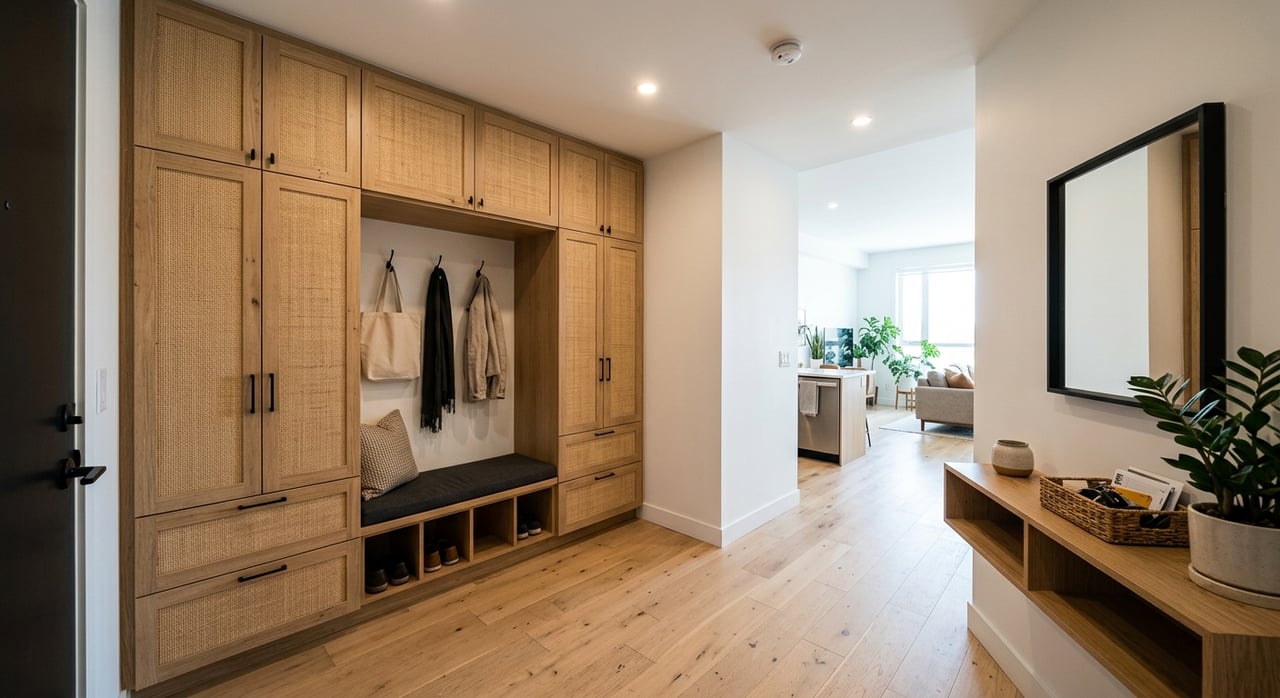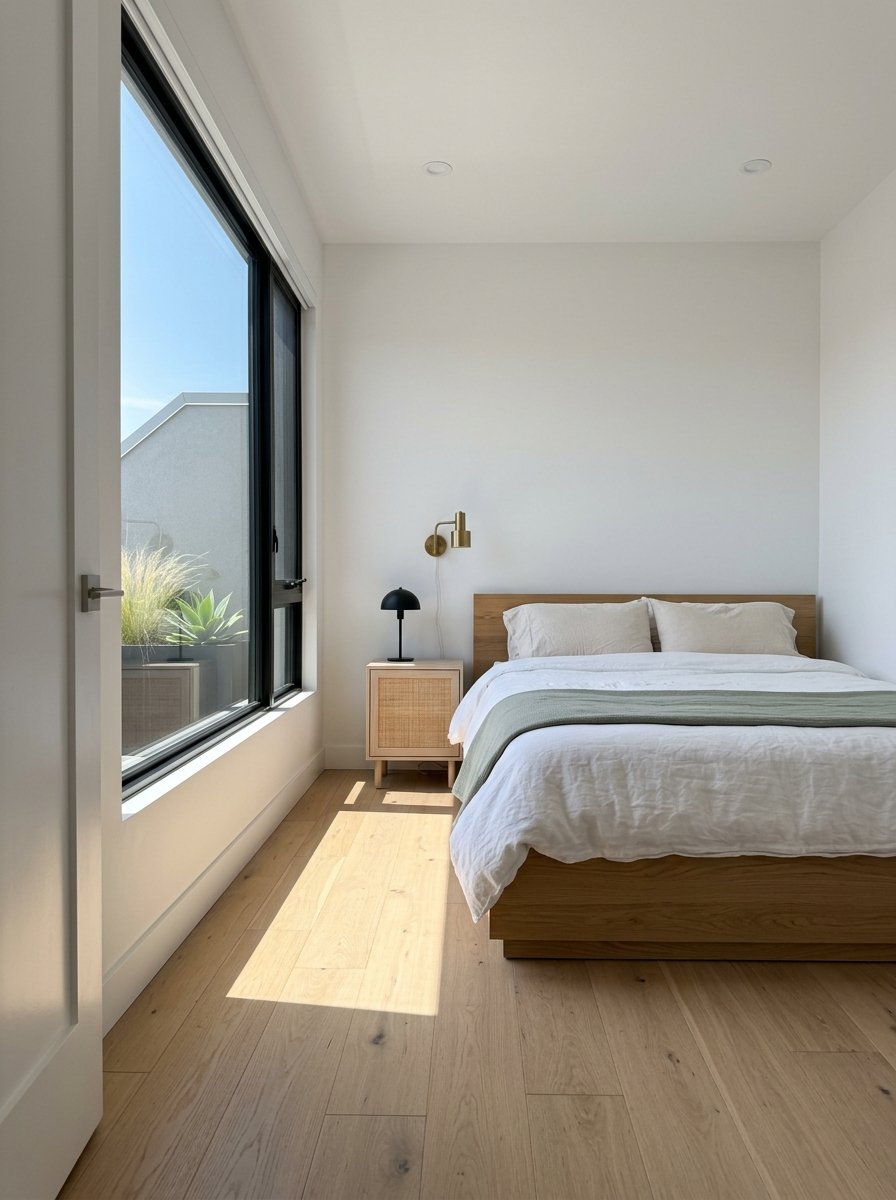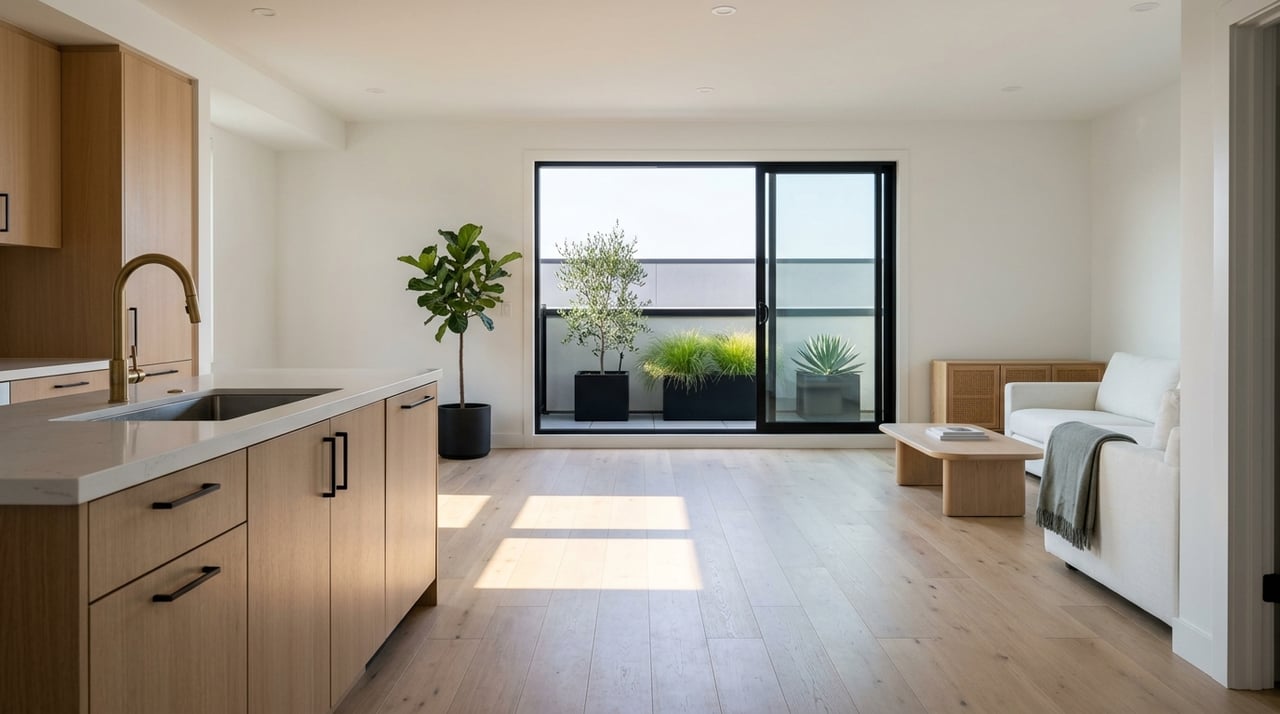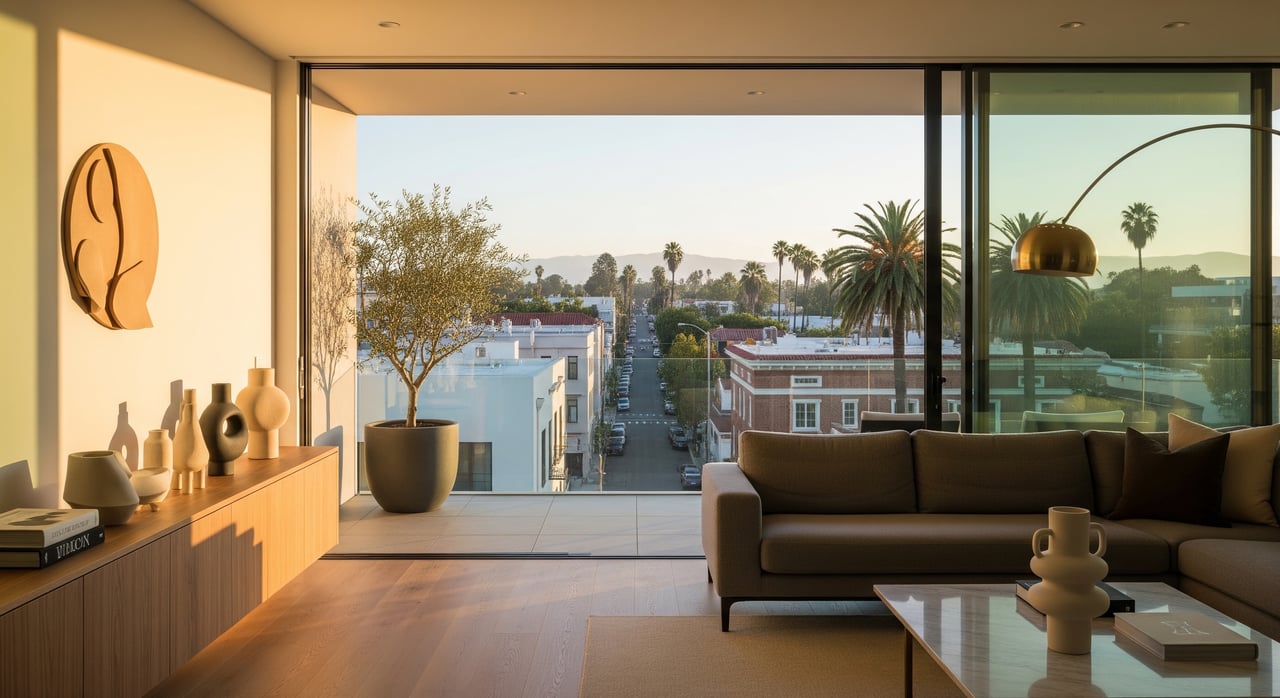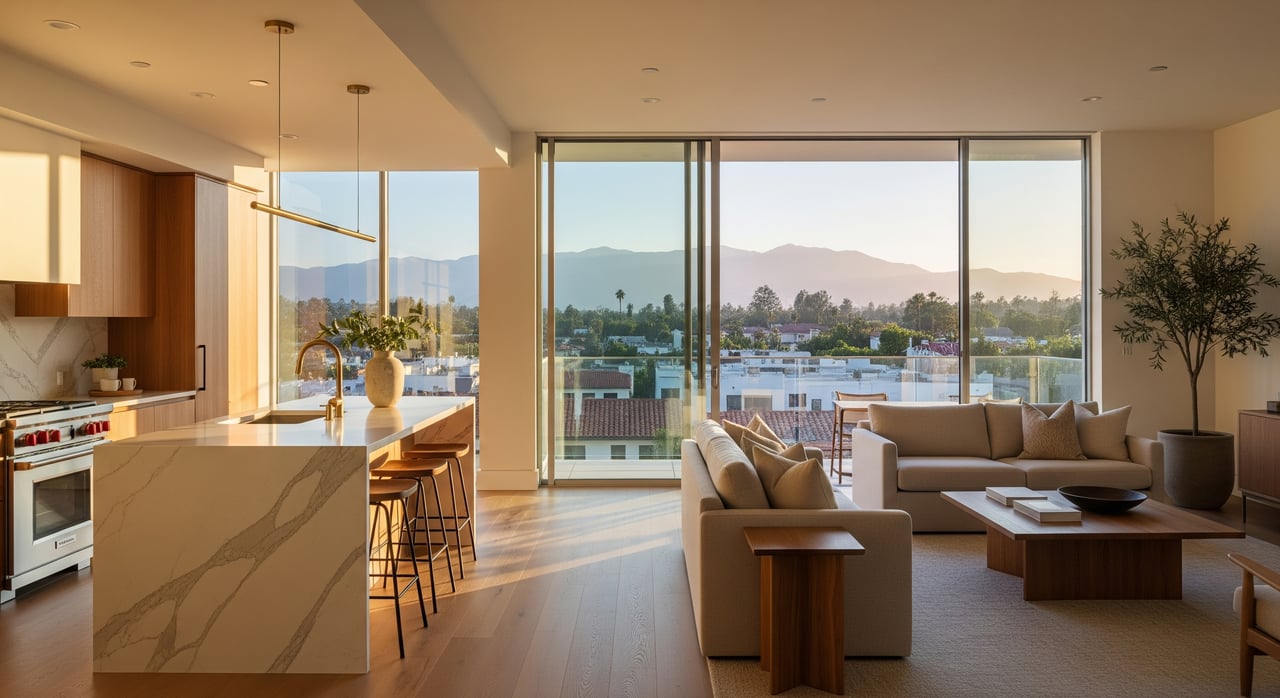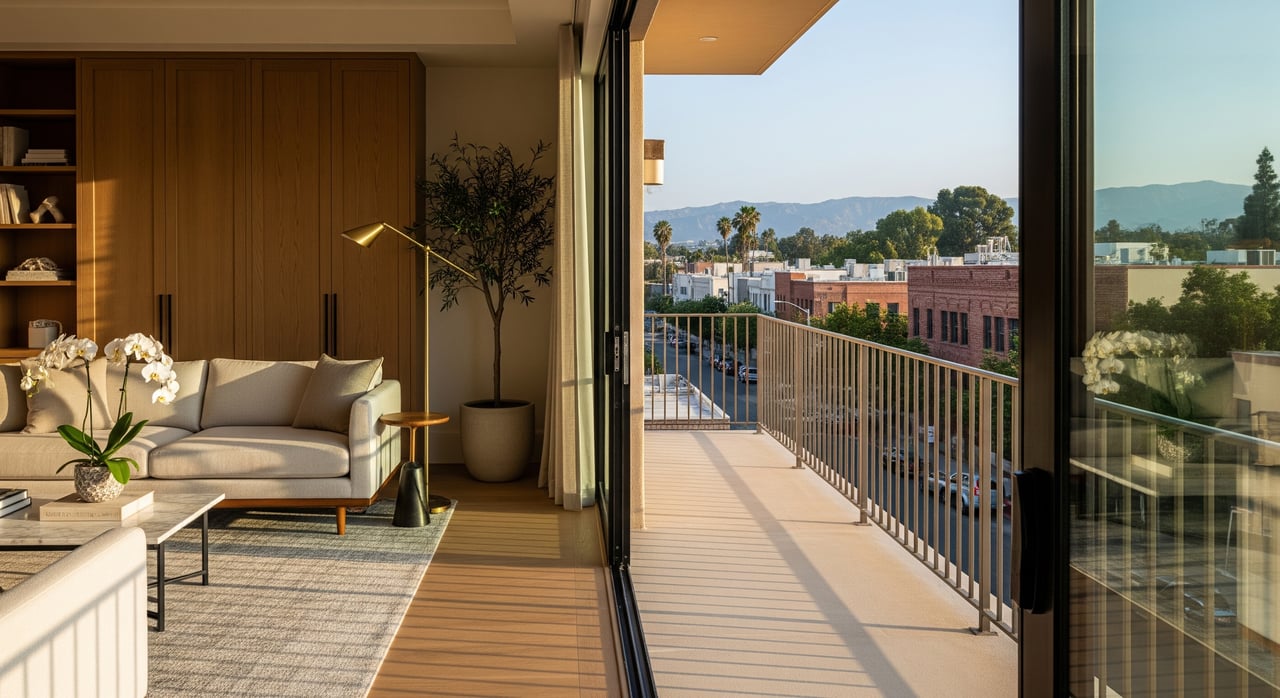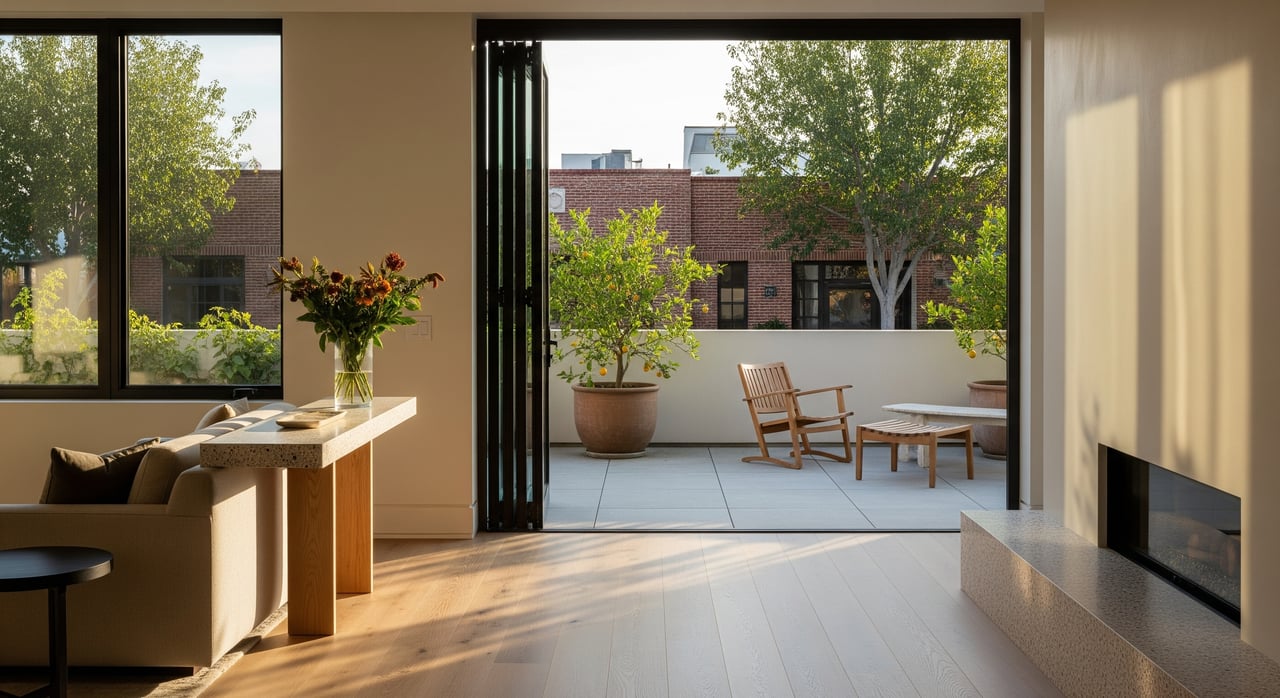
Reserving a new condo in Pasadena can feel exciting, but it also comes with real decisions that affect your timeline, costs, and peace of mind. If you are drawn to turnkey living, contemporary design, and a walkable location, it is worth slowing down long enough to ask the right questions before you commit. A thoughtful reservation process can help you avoid surprises and move forward with more confidence. Let’s dive in.
Why your questions matter early
When you reserve a condo, you are often making choices before every final detail is wrapped up. That is normal in new construction, but it also means you need clarity on legal readiness, construction timing, HOA terms, and parking.
In Pasadena, those details are especially important because local city steps can affect when a home is ready to close. Asking direct questions early helps you understand whether a home is truly move-in ready, what documents are available, and what still needs to happen before escrow can close.
Ask if the project is ready for sale
One of the first questions to ask is whether the California Department of Real Estate public report is available. For new condo projects that are common interest developments, California requires this report before a buyer becomes obligated to purchase.
That matters because the report covers core issues you should understand, including CC&Rs, assessments, utilities, water, roads, soil and geologic conditions, title, zoning, use restrictions, hazards, and completion financing. In simple terms, it gives you a fuller picture of the project before you are locked in.
Questions to ask about legal readiness
- Is the DRE public report available now?
- What project items, if any, are still unfinished at reservation time?
- Is the building expected to close with a final Certificate of Occupancy or a Temporary Certificate of Occupancy?
- Has Pasadena issued, or scheduled, the presale certificate required before escrow closes?
Why Pasadena timing deserves attention
Pasadena adds a local requirement before close of escrow on a condo sale. The owner must obtain a Presale Certificate of Completion or Inspection, and new multi-family residences need a Certificate of Occupancy after final inspection.
A Temporary Certificate of Occupancy may be used if no life-safety issues remain. That is why your closing date should never be treated as a casual estimate. It should be tied to a realistic understanding of inspections, city approvals, and final sign-off.
Review the developer and builder track record
A polished sales presentation is helpful, but it should not be your only source of confidence. Before you reserve, ask about the team behind the building and verify the basics.
The Contractors State License Board advises consumers to verify contractor license status and complaint disclosure before hiring or signing a contract. It also notes that a license number by itself does not prove the license is valid, which makes follow-up questions especially important.
Questions to ask about the team
- What is the builder’s CSLB license number and complaint history?
- What other local condo or infill projects have they completed?
- Who handles punch-list items after close?
- Who manages warranty claims?
- Which contractors and subcontractors are licensed and insured?
Why this matters in a boutique project
In a smaller condominium community, the quality of execution can shape your ownership experience from day one. You want to know who built the homes, how they have performed on prior projects, and what kind of support you can expect if issues come up after closing.
For buyers considering a refined, move-in ready condo in Pasadena, this step supports the finish certainty and service experience you are likely looking for. It is not about being skeptical. It is about being informed.
Understand the HOA before you commit
If you are buying a condo, you are also buying into an HOA structure. Monthly dues, reserve funding, use restrictions, and project governance can all affect your long-term costs and flexibility.
California Civil Code requires sellers of a separate interest to provide key HOA documents and disclosures. These can include governing documents, current assessment information, unresolved violation notices, defect disclosures, rental restrictions, and, if requested, recent board minutes and the latest inspection report.
Questions to ask about the HOA
- What do the monthly dues cover?
- What is not covered by the dues?
- How well funded are reserves?
- When was the last reserve study completed?
- Is a special assessment expected?
- Are there limits on rentals, pets, or storage in the CC&Rs?
- Is the project FHA or VA approved?
- Are there unresolved construction defect or litigation disclosures?
- When does developer control transition to owner control?
Pay close attention to reserves and assessments
HOA budget materials must include reserve summaries, reserve funding plans, possible special-assessment statements, loan information, insurance summaries, and FHA or VA status for condominium projects. Reserve studies must be visually inspected at least every three years and reviewed annually.
For you, the practical takeaway is simple. Ask whether reserves are keeping up with the building’s future repair needs and whether dues may need to rise to support those obligations. A condo that feels turnkey today should also have a structure in place for predictable upkeep tomorrow.
Clarify parking details in Pasadena
Parking can be a bigger issue than many buyers expect, especially in central Pasadena locations. Before you reserve, ask exactly what comes with the unit and how guest or overflow parking works.
Pasadena generally prohibits street parking between 2:00 a.m. and 6:00 a.m. unless posted otherwise. The city also has metered parking in several districts, including Playhouse, and overnight permits for residents without enough off-street parking are location-specific.
Questions to ask about parking
- How many parking spaces come with the unit?
- Are the spaces deeded, assigned, or leased?
- Is guest parking available?
- Is EV charging installed, or is the building only prewired for it?
- If parking is limited, what backup options exist for overnight permits or nearby parking?
Why parking should be in writing
Do not rely on assumptions about how parking will work after move-in. A space that is assigned is not the same as one that is deeded, and guest parking may be more limited than expected.
If your household has more than one car, or you regularly host visitors, this conversation matters even more. In a walkable district, parking may still affect your day-to-day convenience and resale appeal.
Get clear on finishes and customization
Many buyers reserve a condo because they want a clean, streamlined path to ownership. Even so, you should ask what choices are still available and what is already fixed.
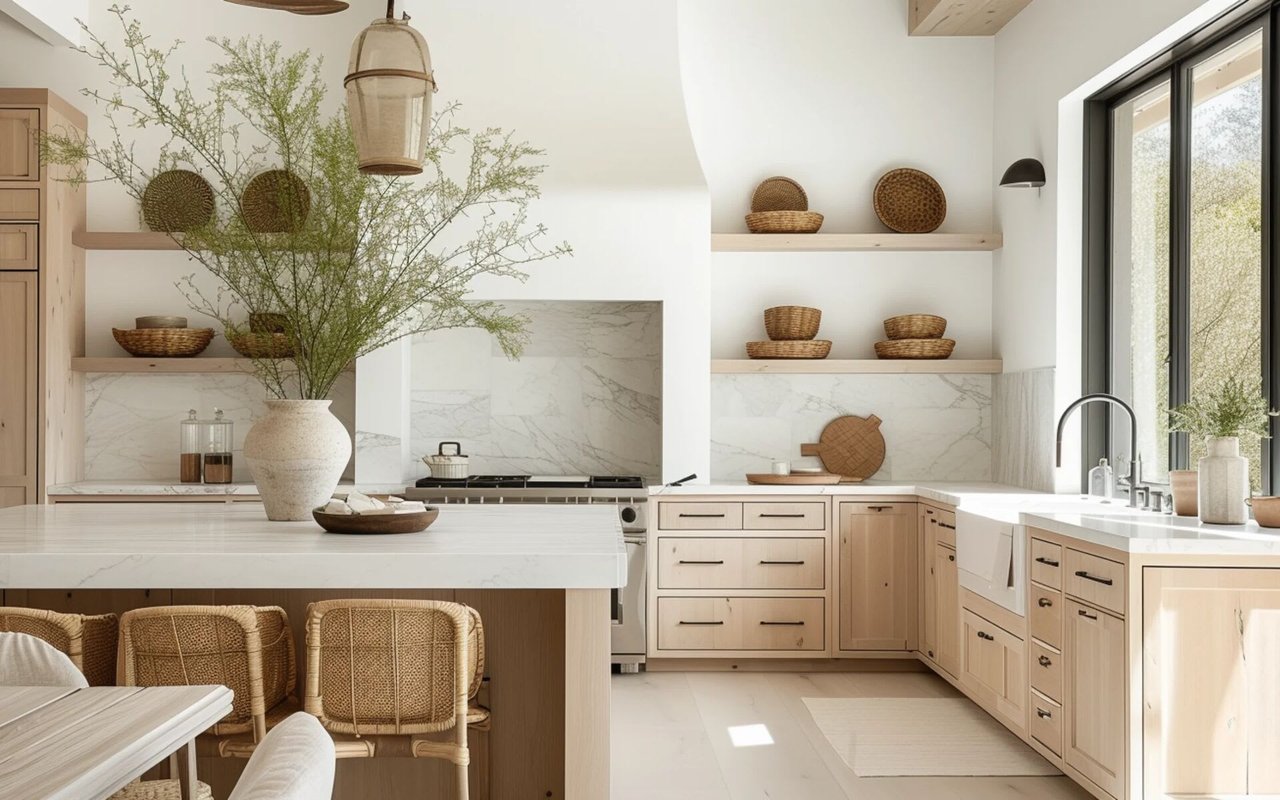
That includes finishes, upgrades, appliance packages, and any completion items that may still be pending. If the project is being presented as move-in ready, ask what that means in practical terms and whether any final touch-up work could remain after closing.
Questions to ask about what you are getting
- What finishes or upgrades can still be selected?
- Which materials and features are standard?
- Are any model-home elements not included in the purchase?
- Will the home be fully complete before closing?
- Who handles final punch-list corrections?
Set realistic expectations for closing
New-construction timelines can shift, even in well-run projects. Final inspections, city approvals, and occupancy documents can all affect when a transaction actually closes.
That is why one of the smartest things you can ask is not just when do you expect to close? but what milestones must happen first? A realistic answer should connect the closing window to final inspections, occupancy status, and any remaining project work.
Questions to ask about timing
- What is the realistic closing window?
- What city approvals are still pending?
- Could completion slip because of final inspections or occupancy procedures?
- Will closing happen only after final sign-off, or could it occur with a Temporary Certificate of Occupancy?
A simple reservation checklist
Before you move forward, make sure you can answer these basics with confidence:
- The DRE public report is available and reviewed
- The project’s unfinished items are clearly identified
- Occupancy status and Pasadena presale requirements are explained
- The builder and contractors are properly verified
- HOA dues, reserves, restrictions, and governance are understood
- Parking terms are specific and documented
- Finish selections and included features are clear
- The closing timeline is tied to real approval milestones
If any of these answers feel vague, that is your signal to ask one more question.
What confident buyers do next
The strongest condo decisions usually come down to clarity, not speed. A refined Pasadena condo can offer low-maintenance living, secure parking, and a strong lock-and-leave lifestyle, but the best experience starts with understanding exactly what you are reserving.
When you ask smart, specific questions, you put yourself in a better position to evaluate value, compare options, and move forward with confidence. If you are considering a boutique new-construction condo in Pasadena, personalized guidance can make the process feel much more straightforward.
If you want help reviewing availability, timing, and the reservation process for Pasadena condo opportunities, connect with Shahe Seuylemezian to schedule a private tour.
FAQs
What should you ask before reserving a new Pasadena condo?
- Ask whether the DRE public report is available, what remains unfinished, what occupancy status is expected at closing, how the HOA is structured, and exactly how parking, finishes, and timing will work.
Why does the DRE public report matter for a Pasadena condo purchase?
- For a new condo project that is a common interest development, California requires the DRE public report before a buyer becomes obligated to purchase, and it covers important project and property details.
What Pasadena city documents can affect condo closing?
- Before close of escrow on a condo sale, Pasadena requires a Presale Certificate of Completion or Inspection, and new multi-family residences also need a Certificate of Occupancy after final inspection, or in some cases a Temporary Certificate of Occupancy.
What HOA details should you review before reserving a condo in Pasadena?
- Review what dues cover, reserve funding, possible special assessments, rental or pet restrictions, any defect or litigation disclosures, and when control shifts from the developer to the owners.
Why is parking a key question for Pasadena condo buyers?
- Pasadena generally prohibits street parking between 2:00 a.m. and 6:00 a.m. unless posted otherwise, so you should confirm how many spaces come with the unit, whether they are deeded or assigned, and what guest or backup parking options exist.