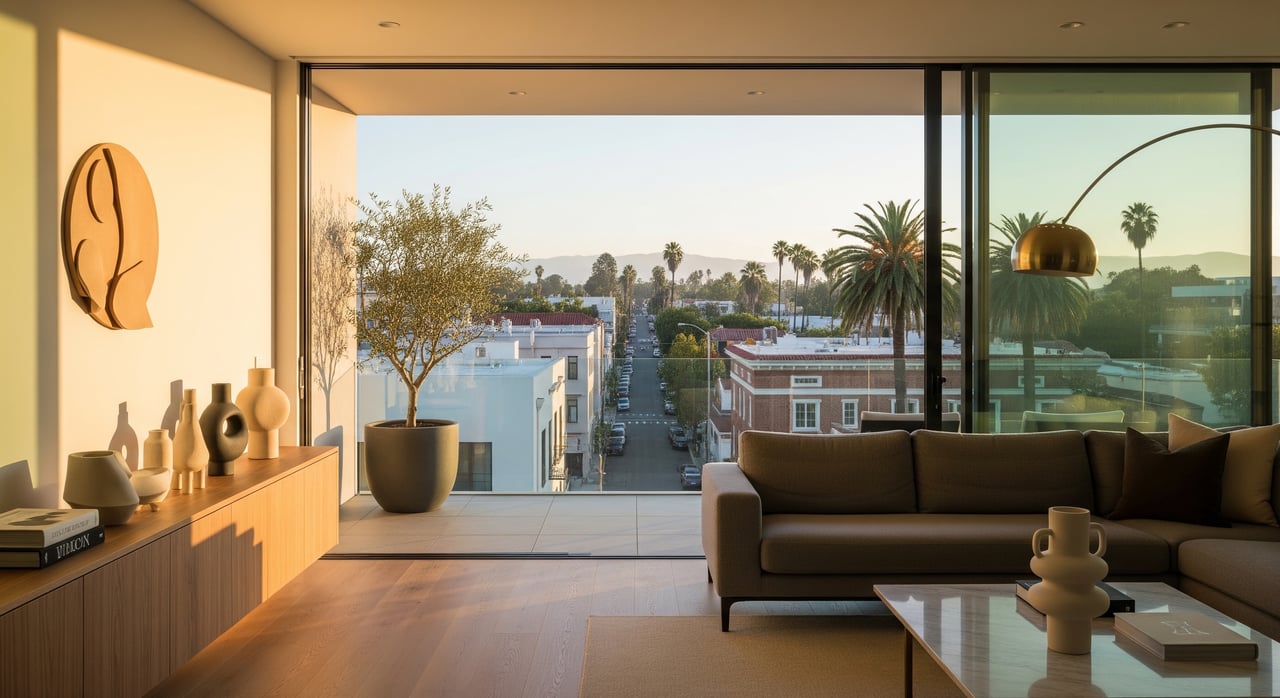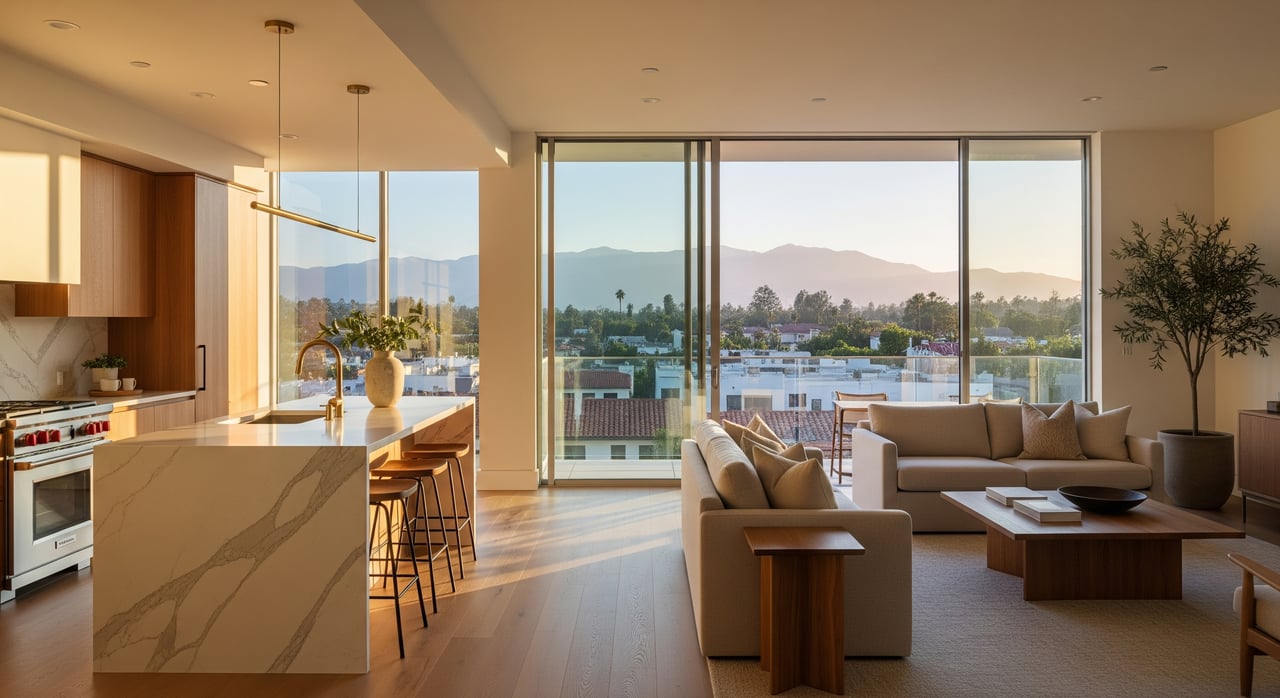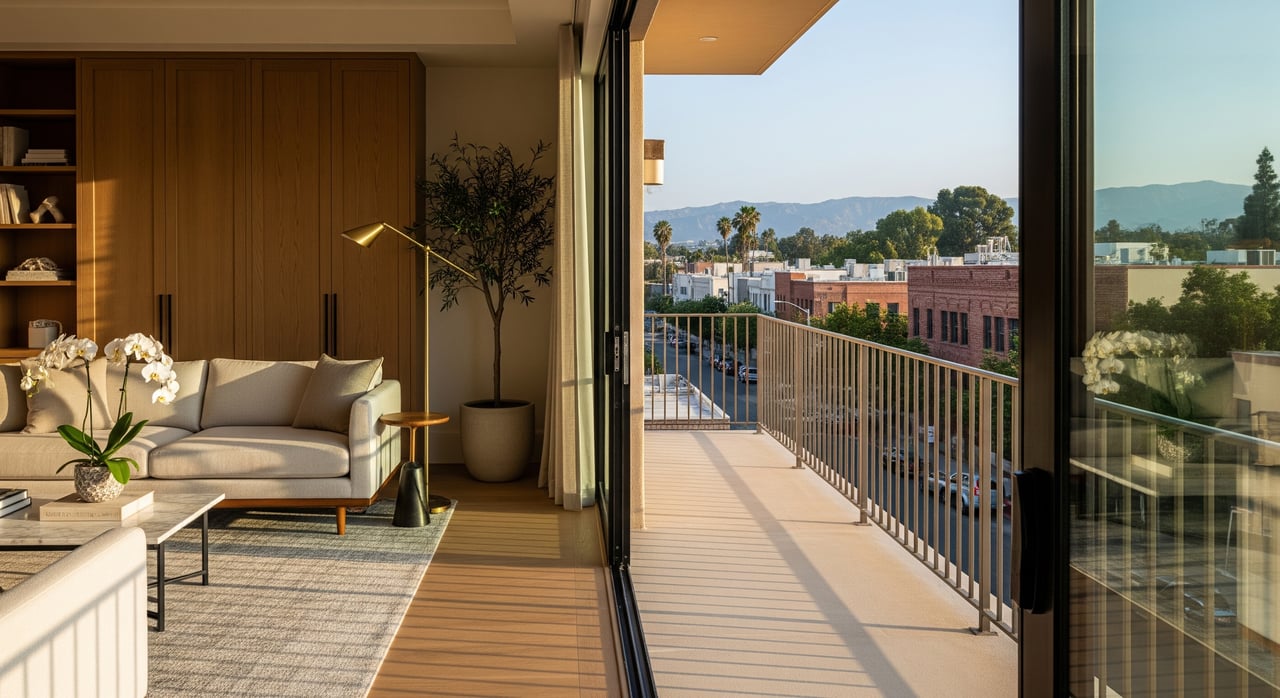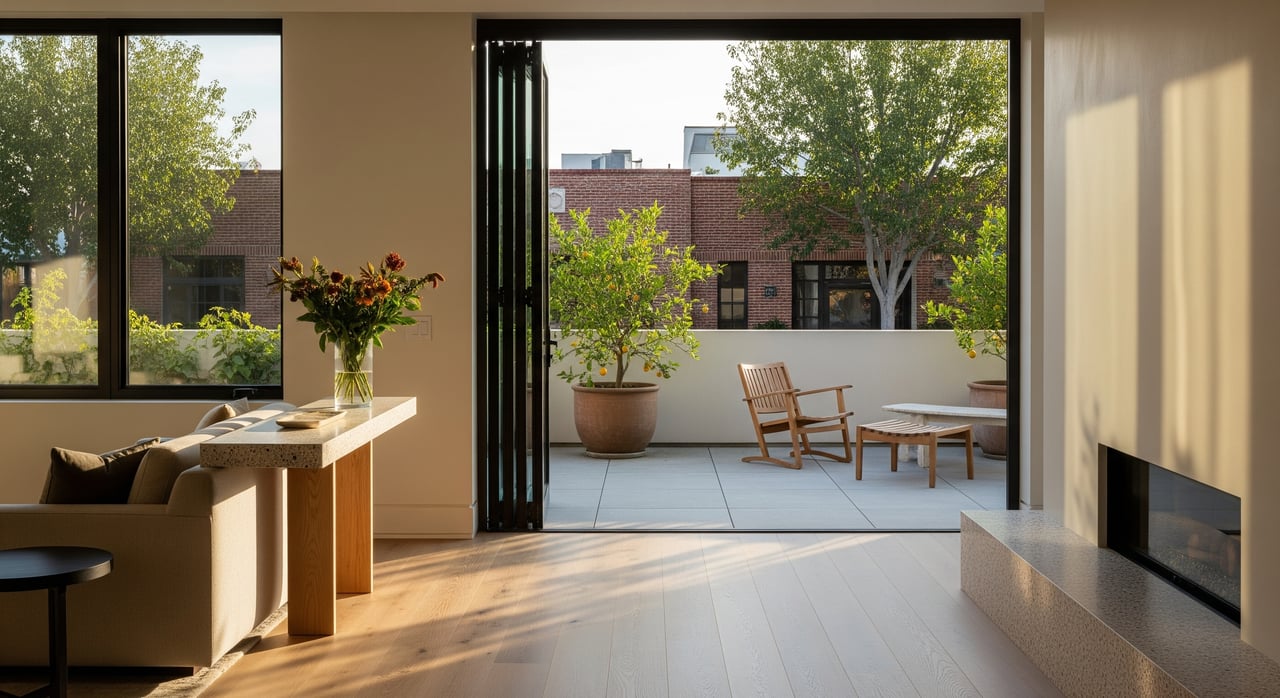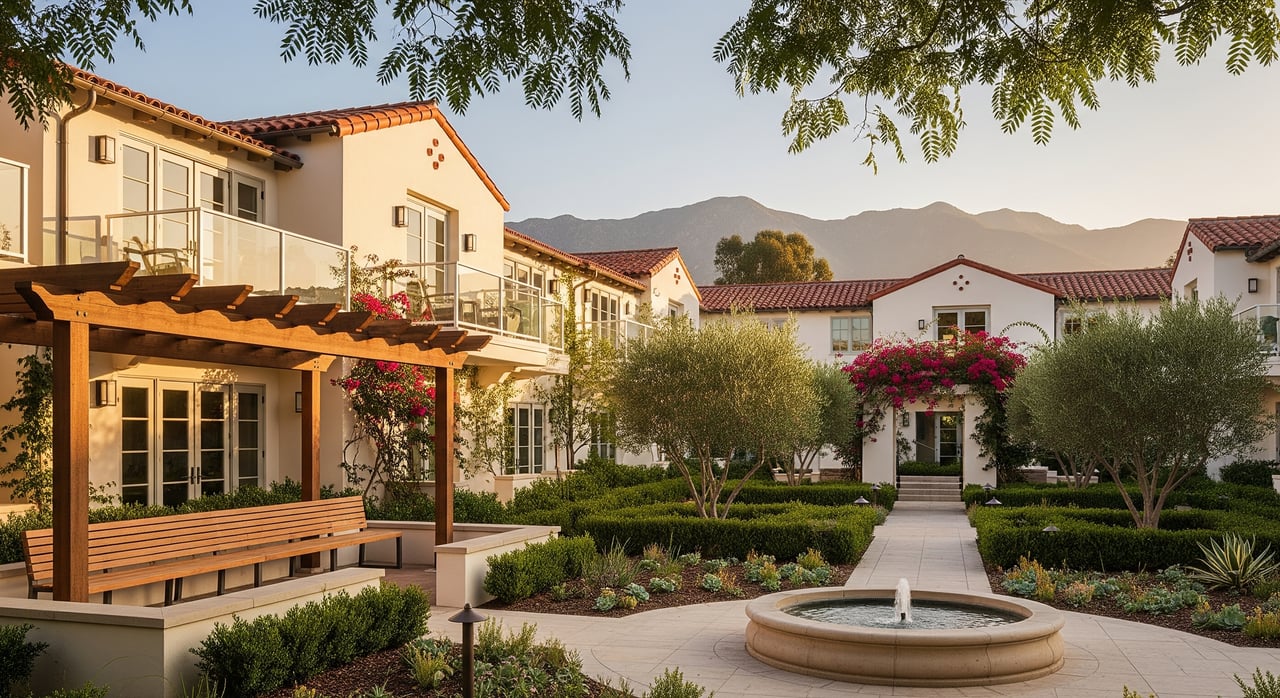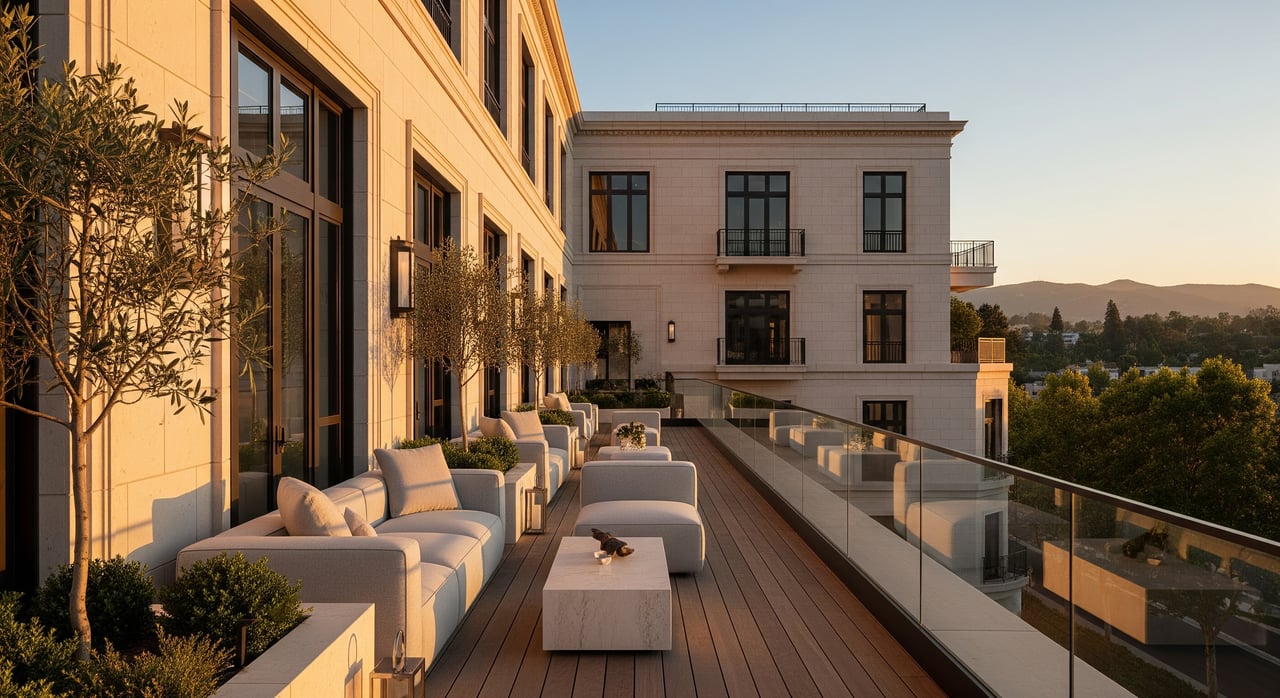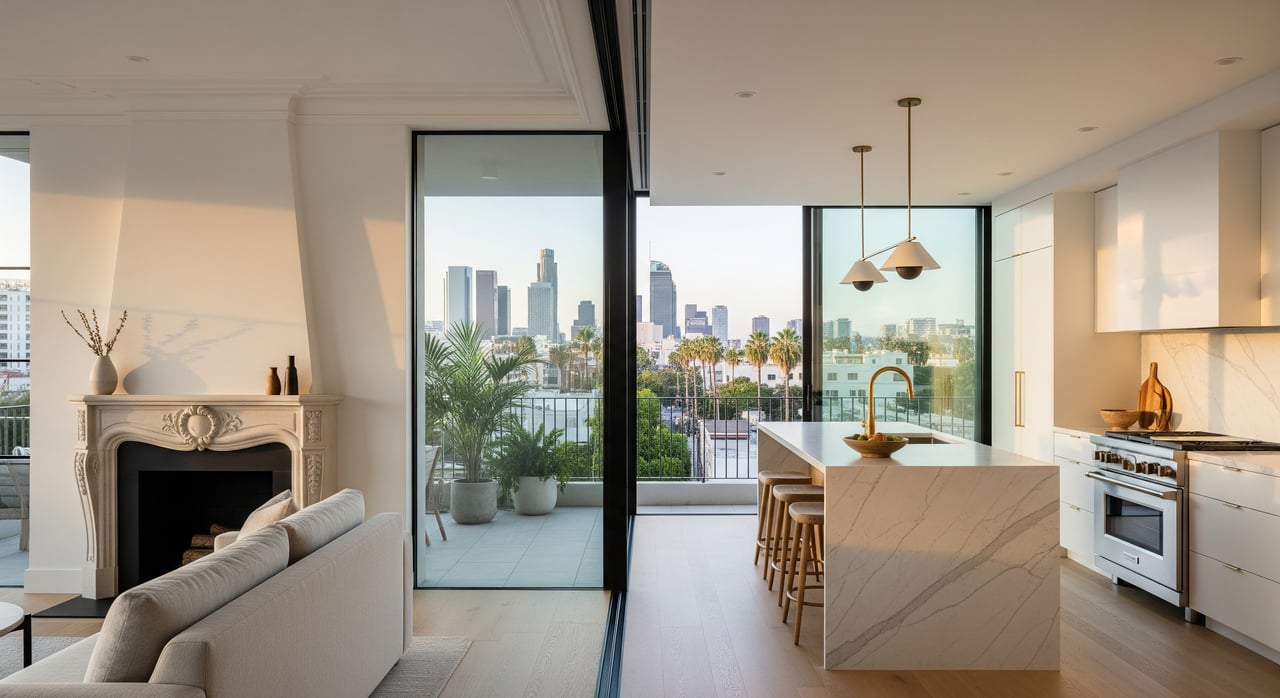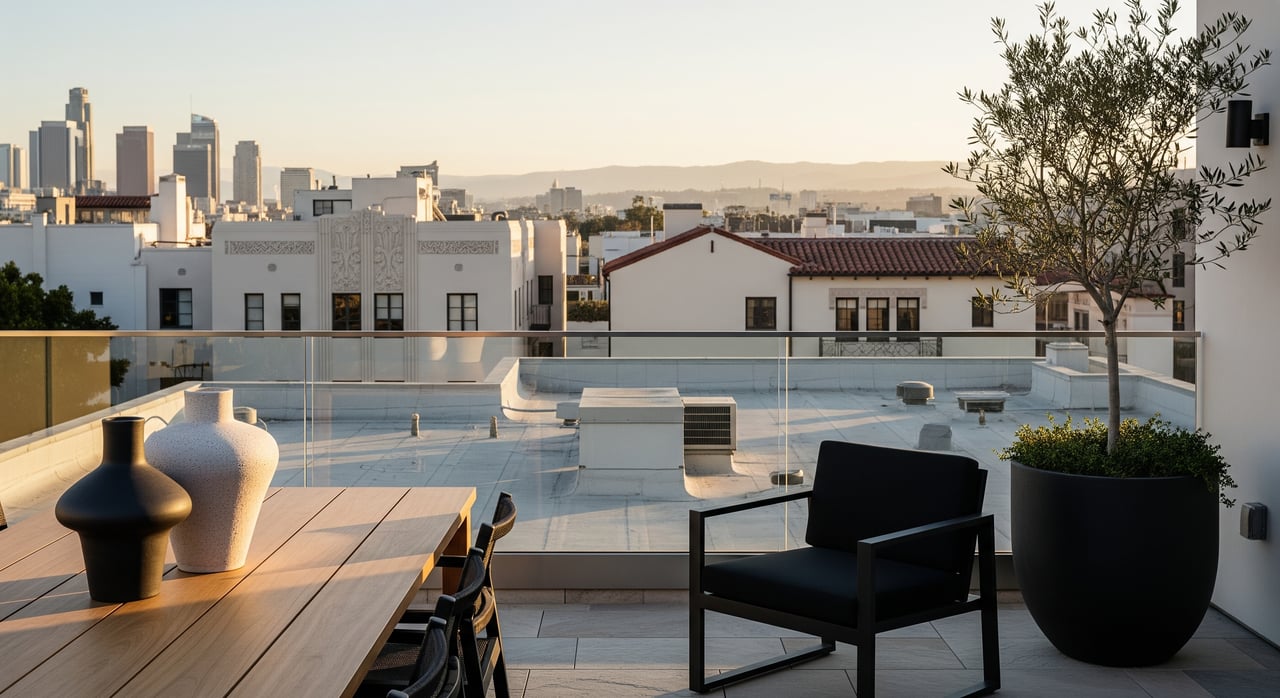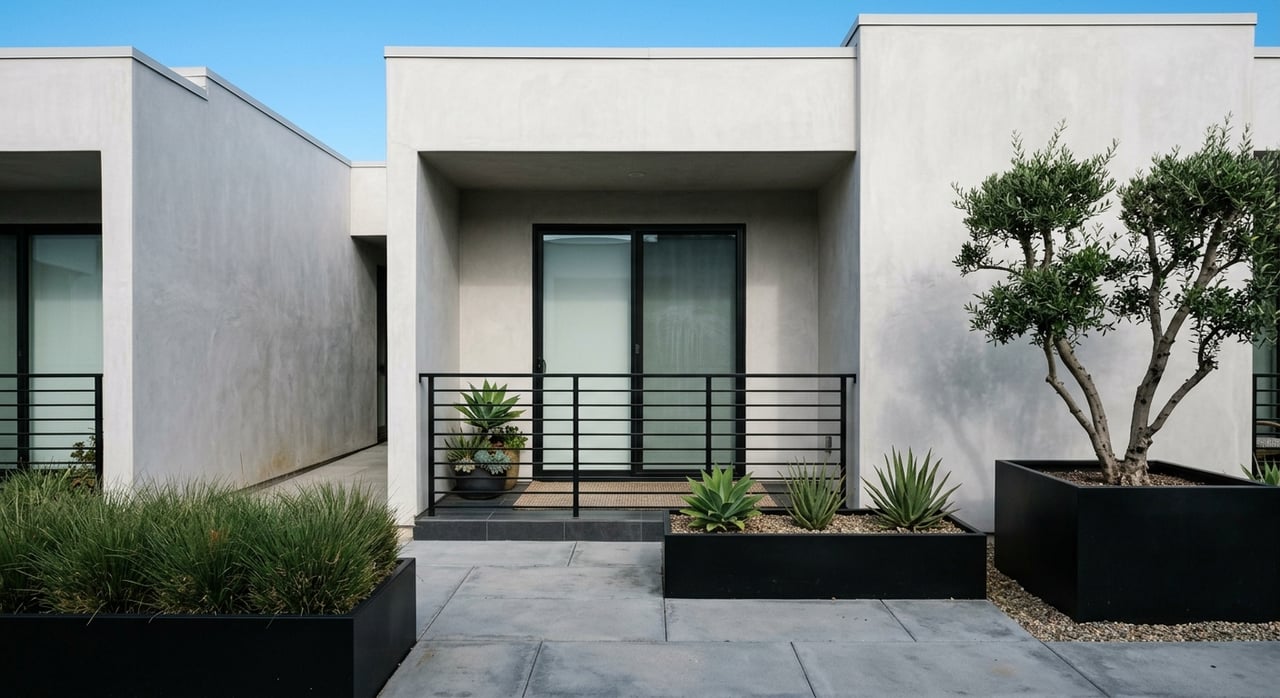
If you are eyeing Old Pasadena for an investment condo or a second home, you are probably asking the right question: will the lifestyle appeal also hold up as a practical purchase? In a neighborhood known for walkable streets, historic character, and steady activity, that balance matters. The good news is that Old Pasadena offers a rare mix of cultural energy, transit access, and long-term usability, but the smartest buyers look closely at HOA rules, reserve strength, and city regulations before they commit. Let’s dive in.
Why Old Pasadena Stands Out
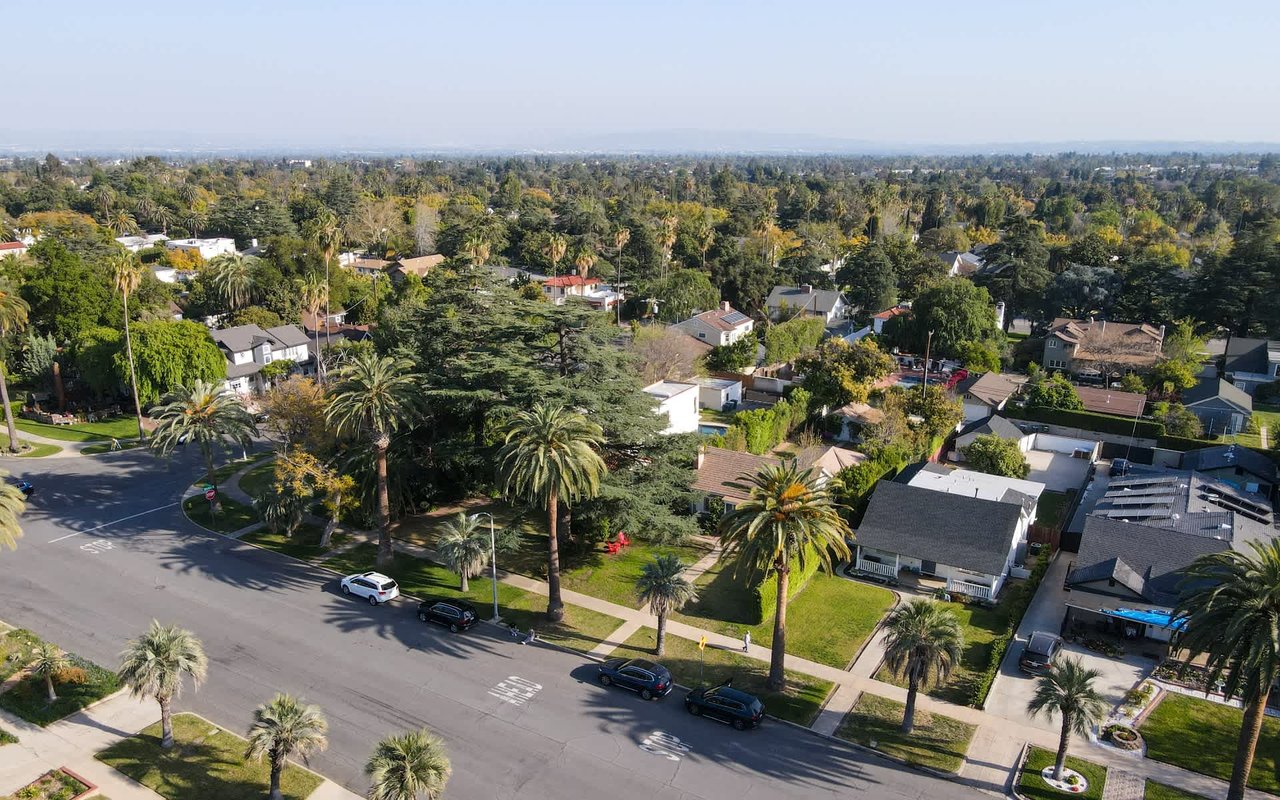
Old Pasadena offers a downtown-style experience that is hard to replicate in many Los Angeles area submarkets. Official district materials describe it as a 22-block historic area with more than 300 businesses, over 100 restaurants, pedestrian-friendly streets, historic alleys, and about 3,000 residential units.
That level of activity supports more than lifestyle appeal. A City of Pasadena presentation reported 6.8 million annual visitors in 2023, and Old Pasadena accounted for 17% of total city sales that year. For buyers thinking about resale or rental demand, that scale can be meaningful.
What Drives Condo Demand Here
Employment anchors matter
Old Pasadena benefits from being close to major Pasadena employment and institutional centers. Pasadena’s General Plan directs higher-density growth toward the Central District and transit villages, reinforcing the area’s role as a hub for living, working, and moving around without relying as heavily on a car.
Nearby institutions also support housing demand. Caltech reports 7,100 employees on its Pasadena campus, and Huntington Health’s main hospital is in Pasadena as a 534-bed Cedars-Sinai affiliate. For buyers who may rent a condo long term or use it as a part-time residence, those employment anchors add depth to the market.
Culture supports long-term appeal
Old Pasadena is not just a shopping and dining district. Area attractions highlighted by district materials include Pasadena Heritage walking tours, the Rose Parade route, the Rose Bowl, Norton Simon Museum, USC Pacific Asia Museum, Armory Center for the Arts, Pasadena Civic Auditorium, Pasadena Museum of History, and Pasadena Playhouse.
For a second-home buyer, that means your condo can support a fuller Pasadena lifestyle when you are in town. For an investor, it helps explain why the area continues to attract interest from a broad range of buyers and renters.
Transit adds flexibility
Transit access is another major piece of the story. Metro reports that the A Line includes 48 stations and 57.7 miles of service, and Pasadena planning materials place Del Mar Station in the heart of Old Pasadena, within walking distance of shops, restaurants, and theaters.
Memorial Park Station also sits near the northern edge of historic Old Pasadena and is a short walk to Civic Center and City Hall. If you are buying with future resale in mind, proximity to these stations can strengthen the case for convenience and day-to-day usability.
What Investors Need to Underwrite Carefully
Old Pasadena can work well for investors, but it should be underwritten with realistic assumptions. This is not a market to approach casually or with a vacation-rental mindset.
Short-term rentals are not the play
Pasadena’s short-term rental rules are especially important. The city says vacation rentals are not permitted anywhere within Pasadena, and short-term rental permits are issued only to primary residents who live at the property for at least nine months per calendar year.
In simple terms, an Old Pasadena condo should generally be evaluated as a home for personal use or as a long-term rental asset. If your numbers only work with frequent short stays, the property may not fit your goals.
HOA rental rules still matter
California law limits how far HOAs can go in restricting rentals. Under Civil Code 4741, associations may not prohibit or unreasonably restrict renting, may not cap rentals below 25% of the units, and may prohibit transient rentals of 30 days or less.
That said, every building still has its own governing documents. You should review the CC&Rs, bylaws, and current rules carefully so you understand leasing terms, application procedures, occupancy limits, and any practical friction points before you buy.
Why HOA Health Is Central
For condo investors and second-home buyers, the building can matter as much as the unit. California’s Department of Real Estate notes that buying into a common-interest development means automatic HOA membership, and the HOA framework governs assessments, insurance, architectural control, and enforcement.
That means a refined kitchen or attractive balcony is only part of the story. You also want to know whether the association is budgeting responsibly and planning for the future.
Reserve funding tells you a lot
California Civil Code requires reserve inspections at least once every three years in applicable associations, with annual board review of the reserve study. The Department of Real Estate’s reserve guidance notes that a strong reserve study helps owners and buyers understand the association’s financial strength and long-term maintenance planning.
For you, reserve funding is one of the clearest signals of whether a building is likely to age gracefully or face surprise costs. If reserves are thin, special assessments become a more serious risk.
Special assessments are a real consideration
The Department of Real Estate also notes that associations can levy special assessments when regular assessments are not enough. That is why condo due diligence should go beyond finishes, staging, and location.
Before you close, review the HOA budget, reserve study summary, recent meeting information if available, and current assessment history. A well-run association often supports more predictable ownership and stronger long-term resale appeal.
What Second-Home Buyers Should Look For
If you are buying a second home in Old Pasadena, your priorities may be a little different from a pure investor’s. In many cases, you are balancing enjoyment, ease of ownership, and future flexibility.
A strong second-home condo often checks several boxes at once:
- Walkable access to Old Pasadena dining, retail, and cultural venues
- Convenient access to Del Mar or Memorial Park stations
- Secure parking for day-to-day convenience
- Clear HOA rules for part-time owners
- A building with healthy reserves and a stable maintenance plan
- A layout that feels comfortable for short stays and extended visits
These features can help the condo work better for you today while also supporting resale later.
Resale Features That Tend to Matter Most
Not every condo in Old Pasadena will perform the same way over time. The units that tend to stand out usually combine location benefits with practical ownership advantages.
Transit and parking remain important
Pasadena’s planning framework supports higher density in central and transit-served areas, and the city’s broader goals include making it easier for people to circulate without cars. Even so, parking still matters in daily life.
Old Pasadena includes metered parking and garages, which means assigned or secure resident parking can be a real quality-of-life advantage. If you expect guests, tenants, or part-time use, parking convenience should be part of your evaluation.
Building rules can shape livability
Some of the most important details are easy to overlook during a showing. HOA rules may govern balconies, pets, parking, and other day-to-day uses, and those details can affect how enjoyable and flexible the property feels.
In an active district like Old Pasadena, you should also think about noise, weekend traffic, and guest access. A condo can be beautifully located and still feel less practical if the building rules or surroundings do not match how you plan to use it.
How Boutique Newer Condos Fit the Market
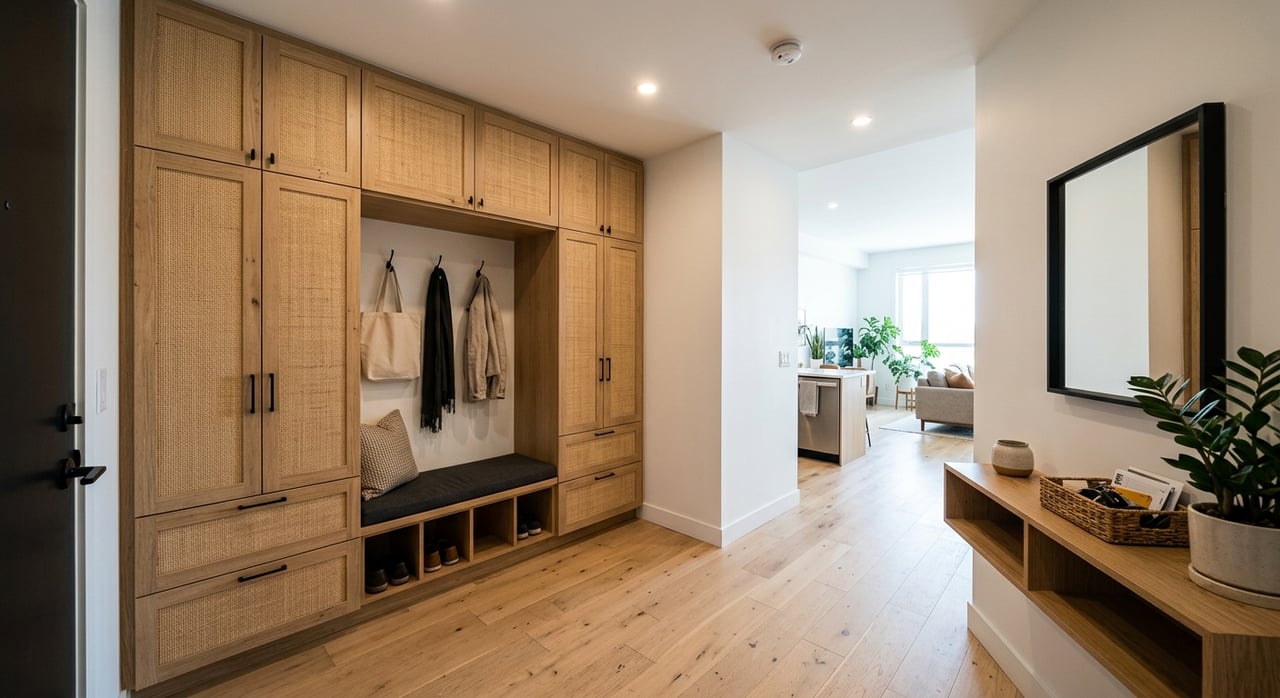
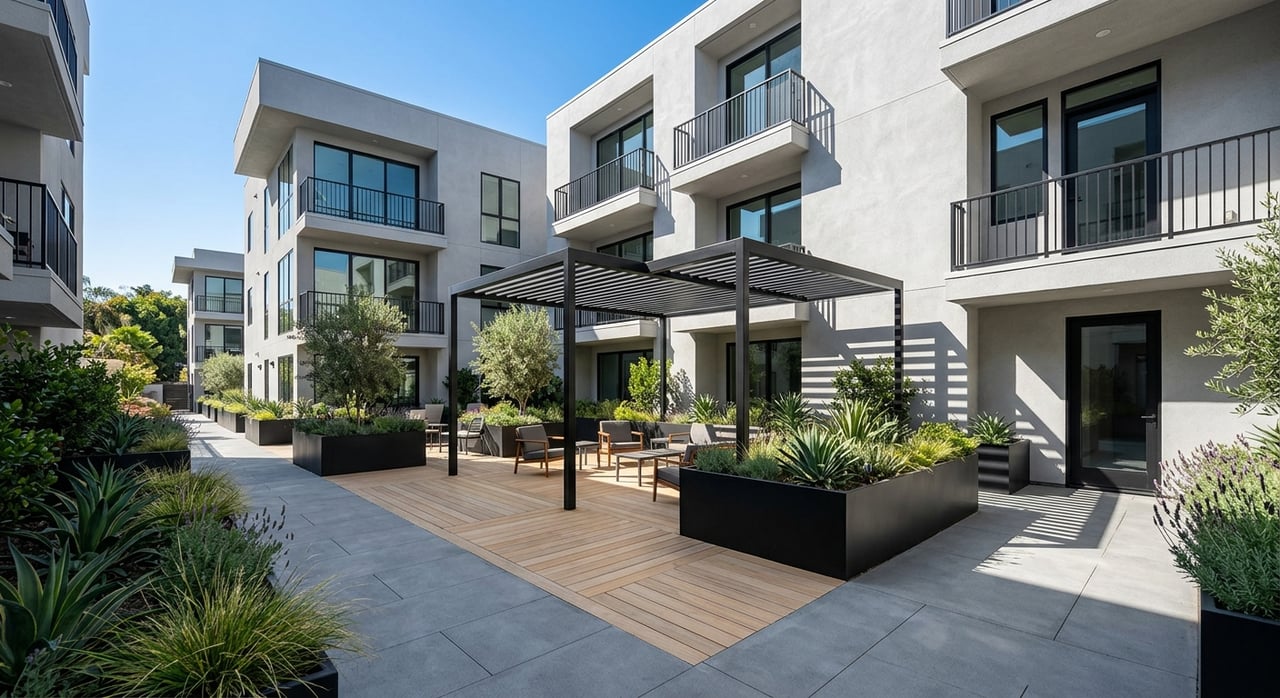
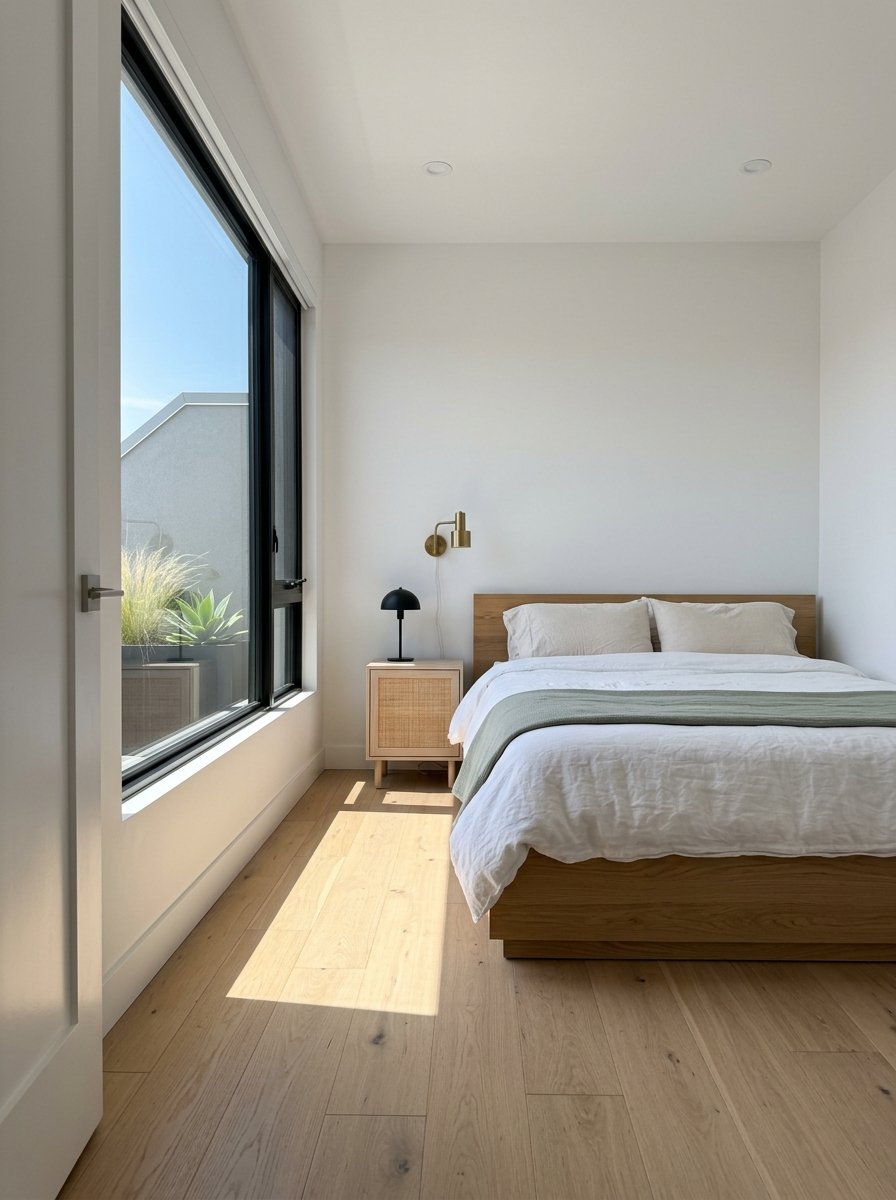
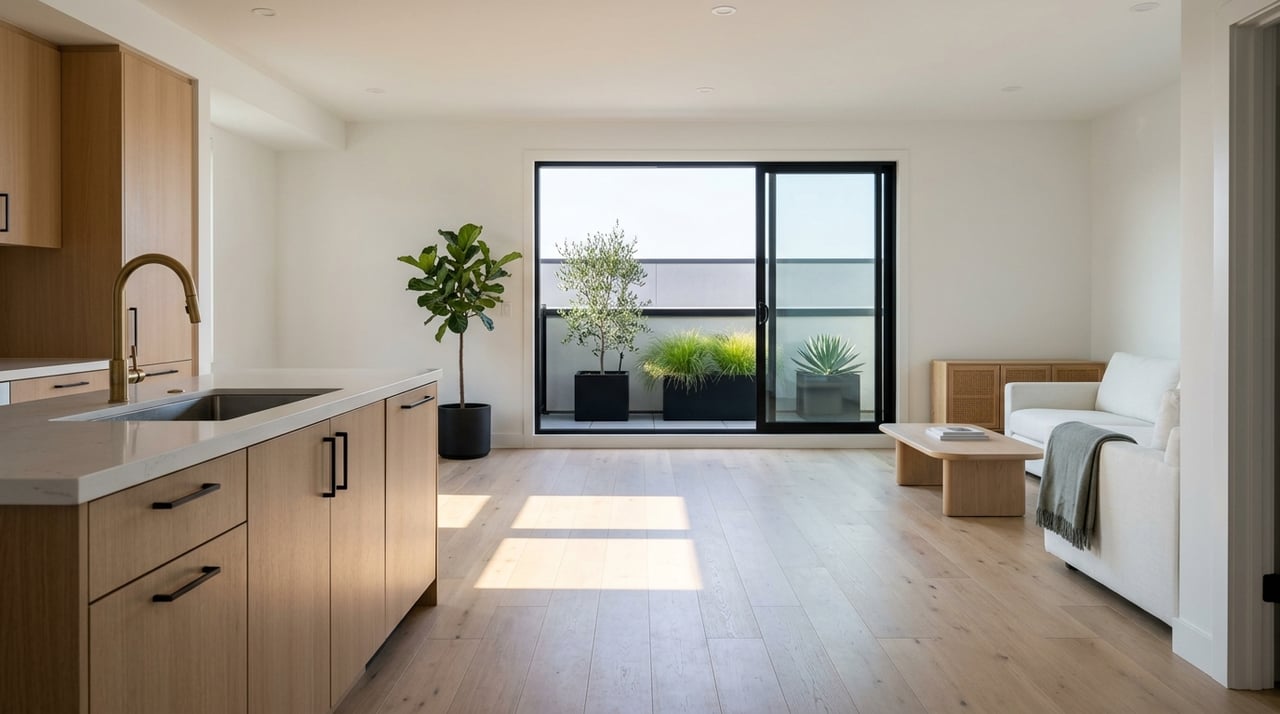
For many buyers, newer boutique condos offer a compelling alternative to older inventory. A smaller building can feel more manageable, and move-in ready design can reduce the amount of immediate work or uncertainty after closing.
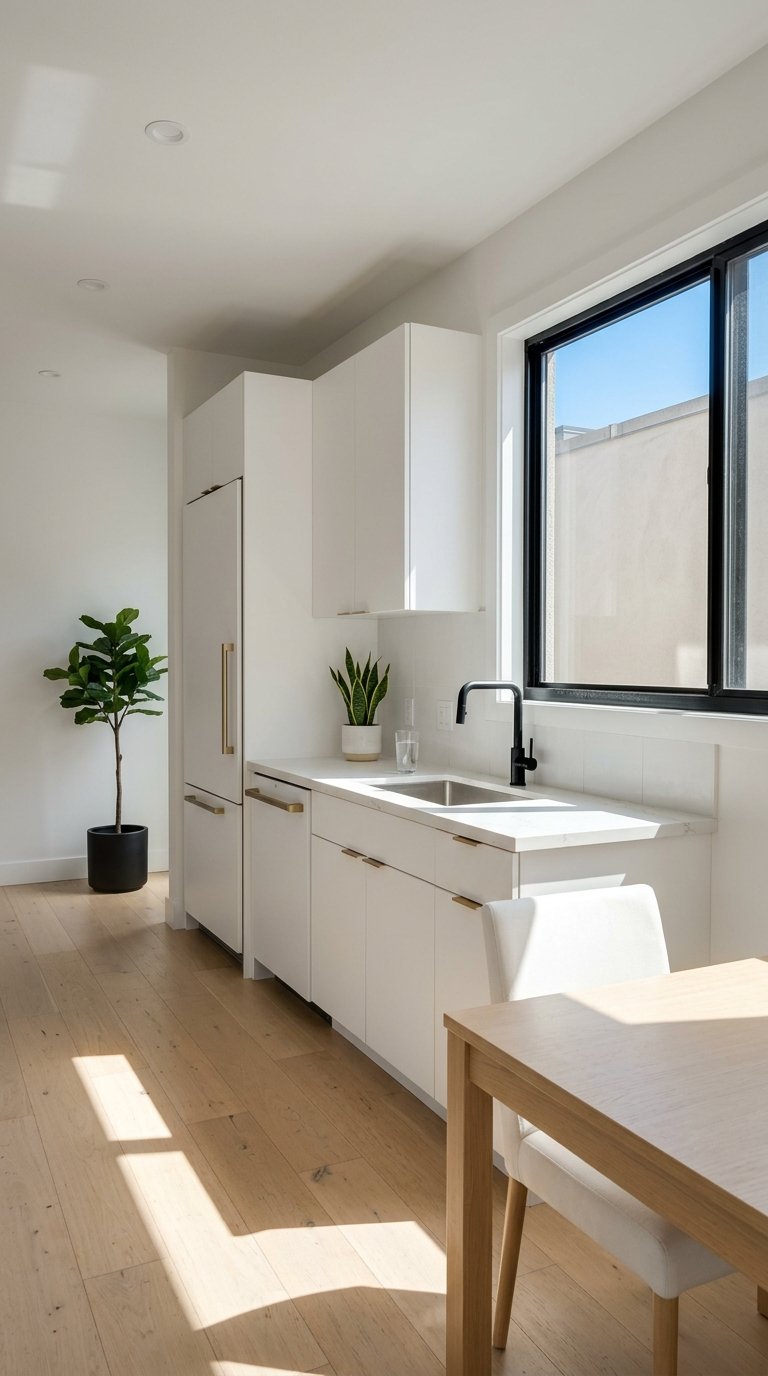
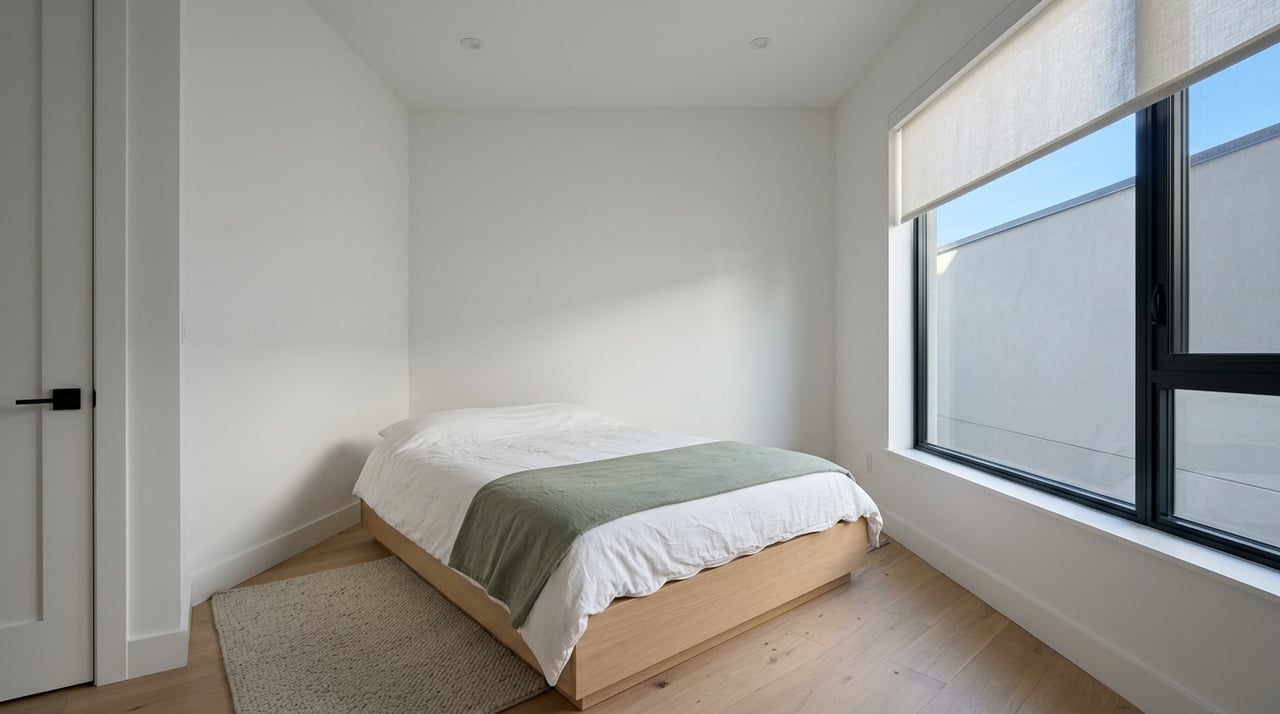
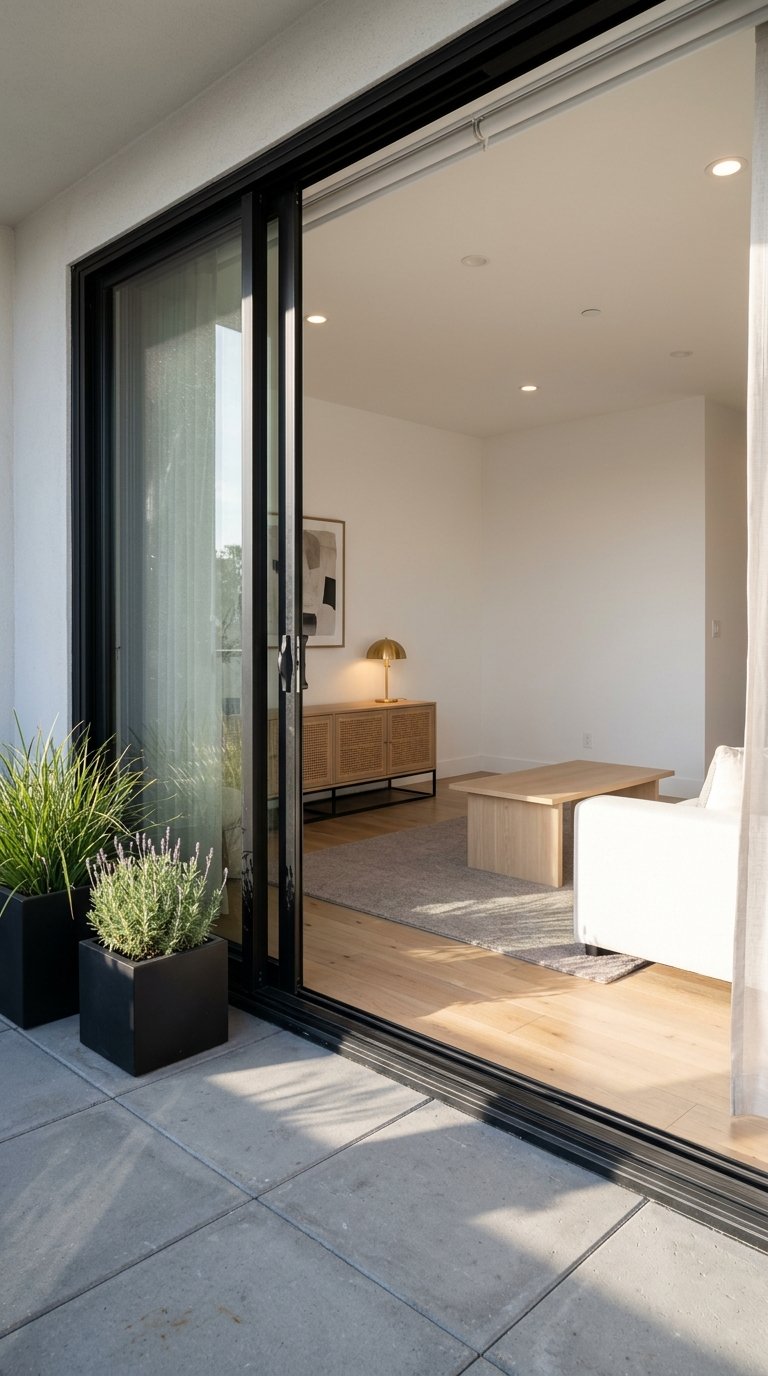
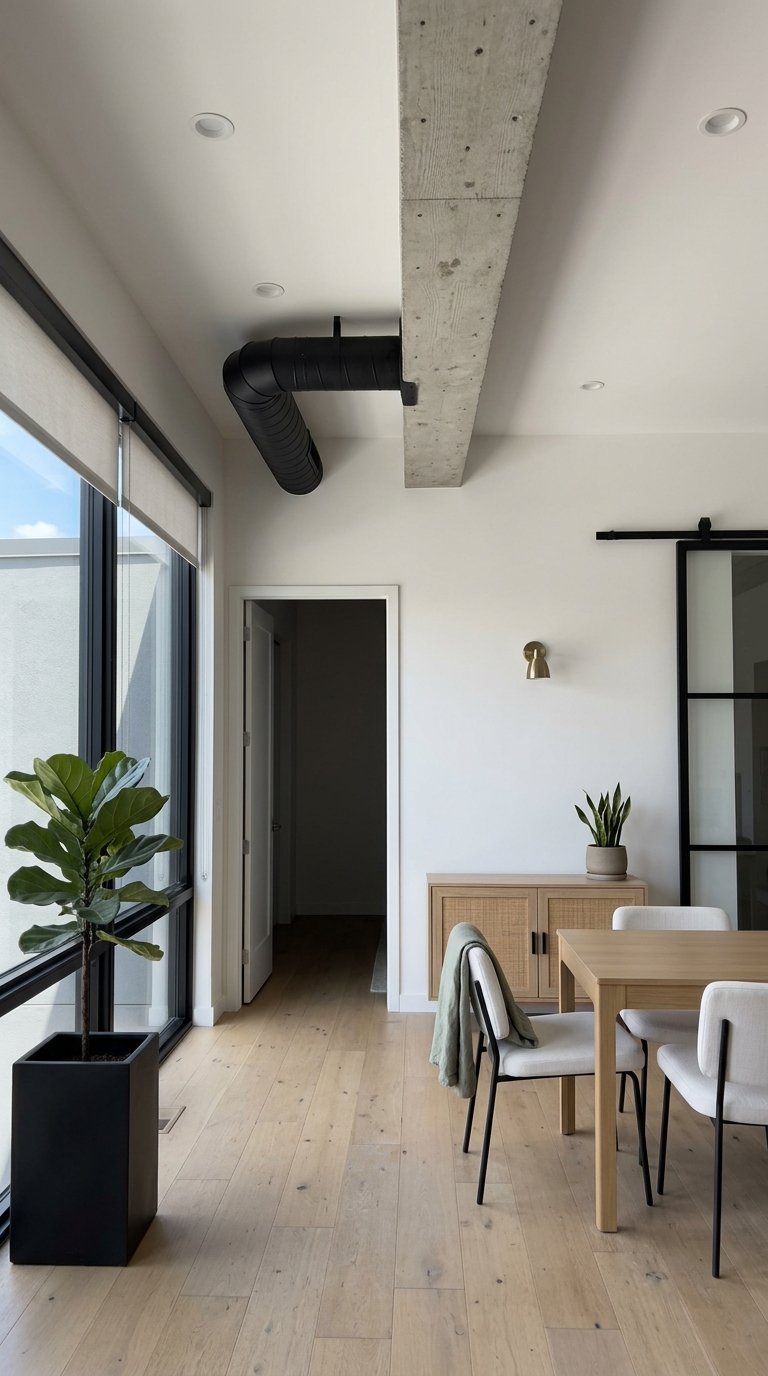
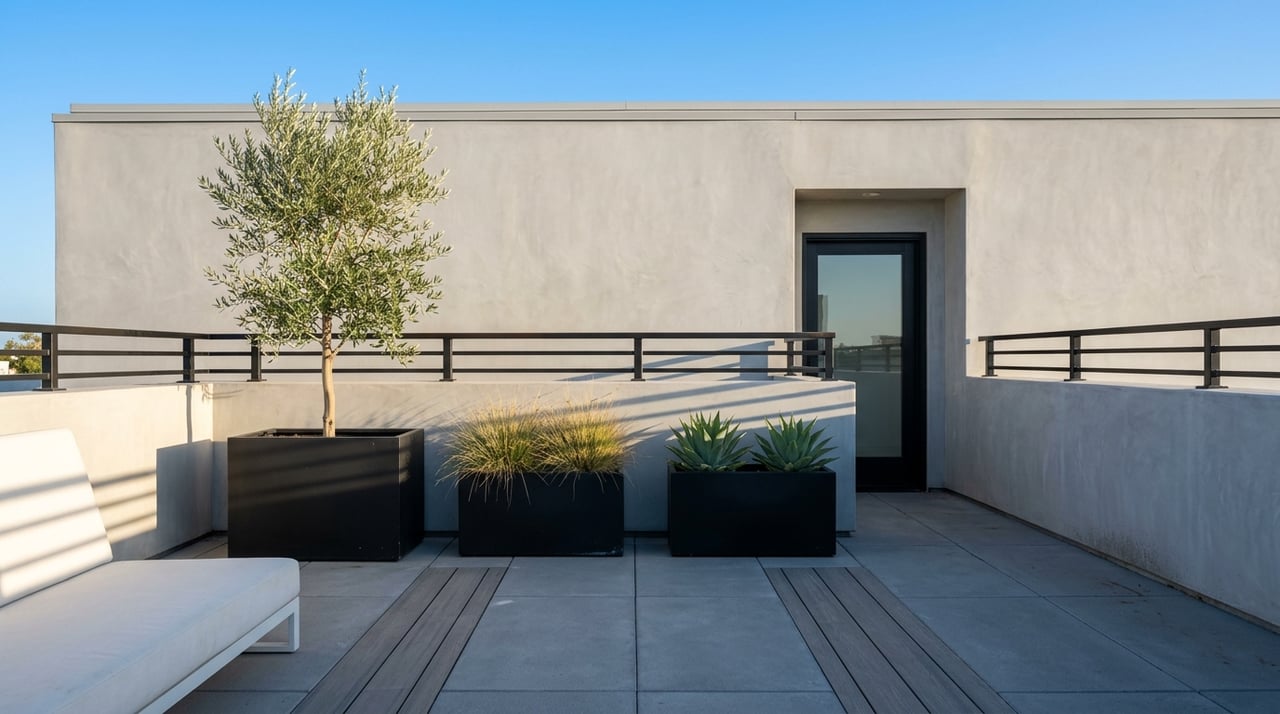
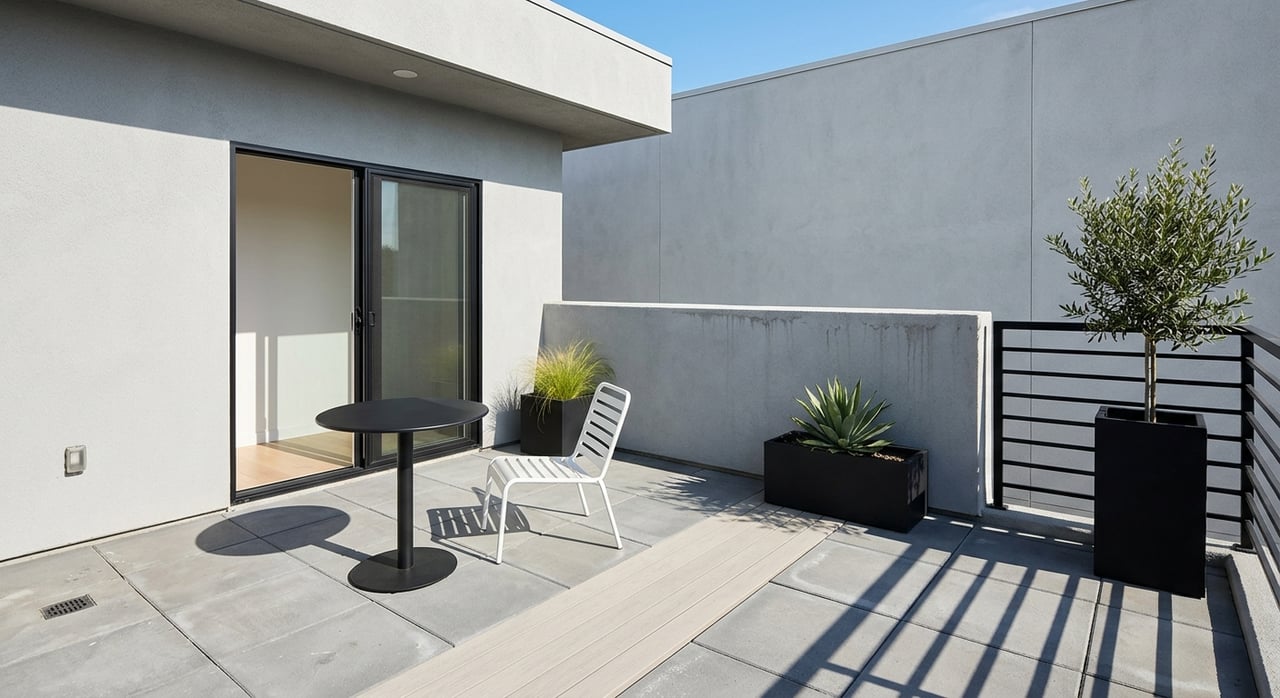
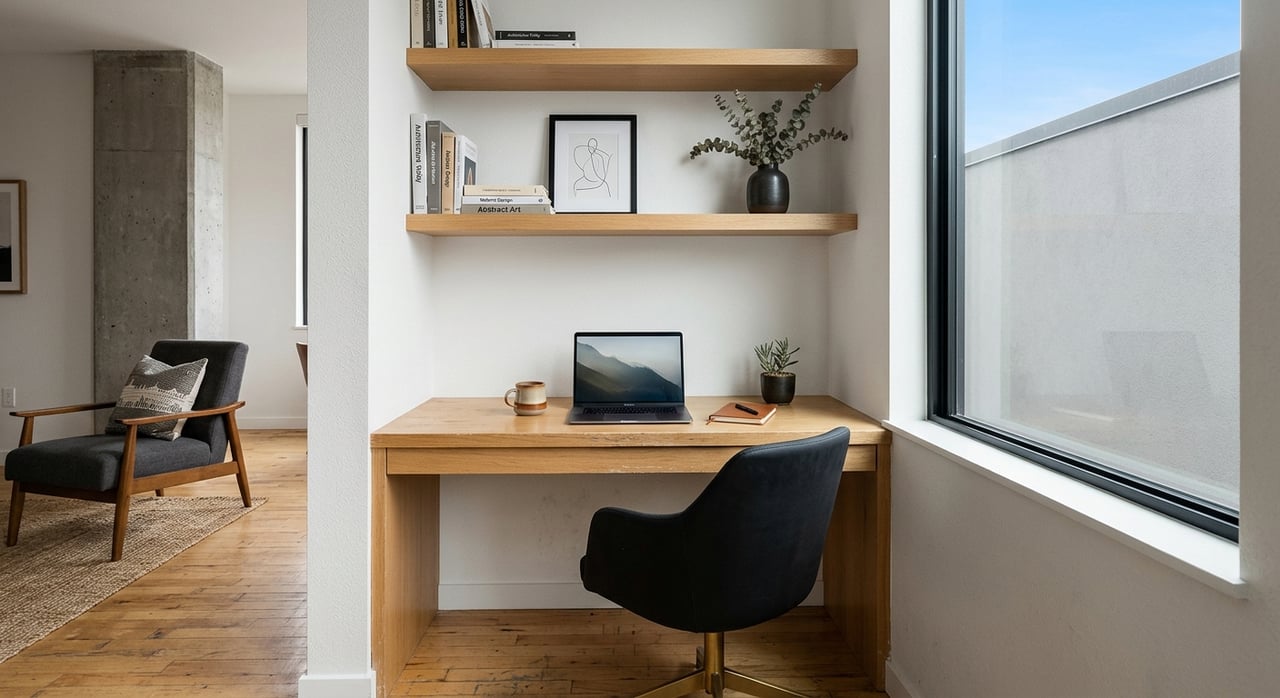
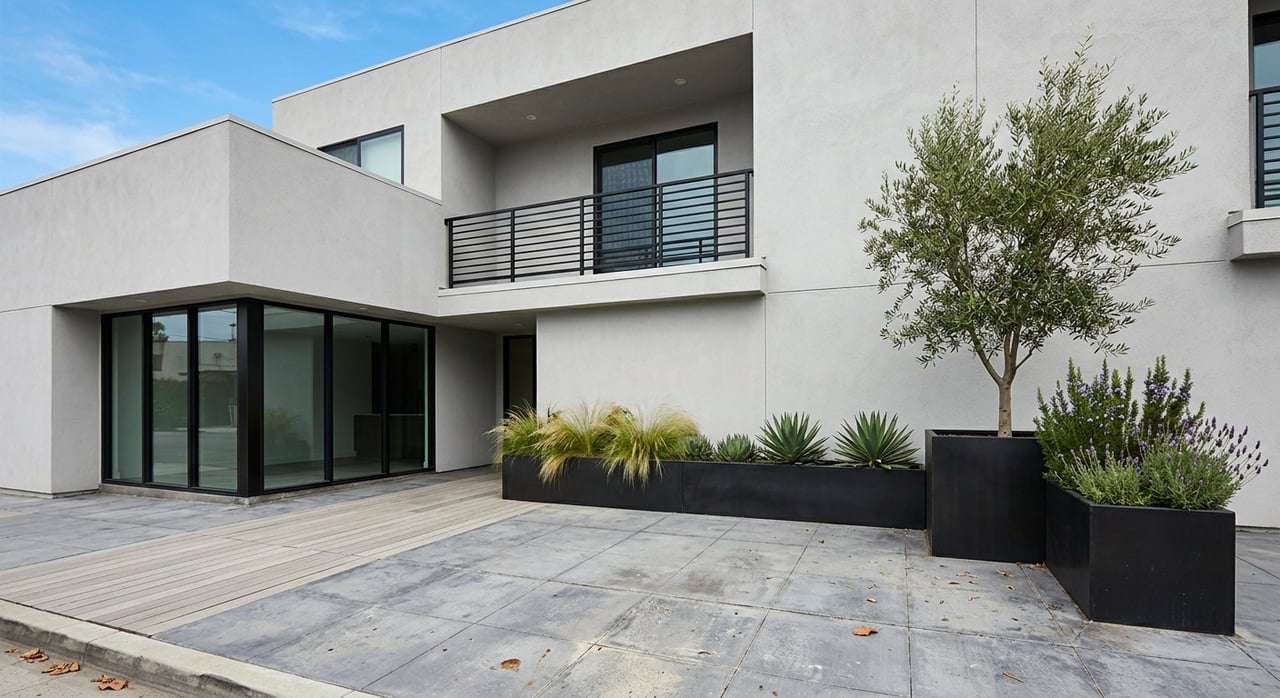
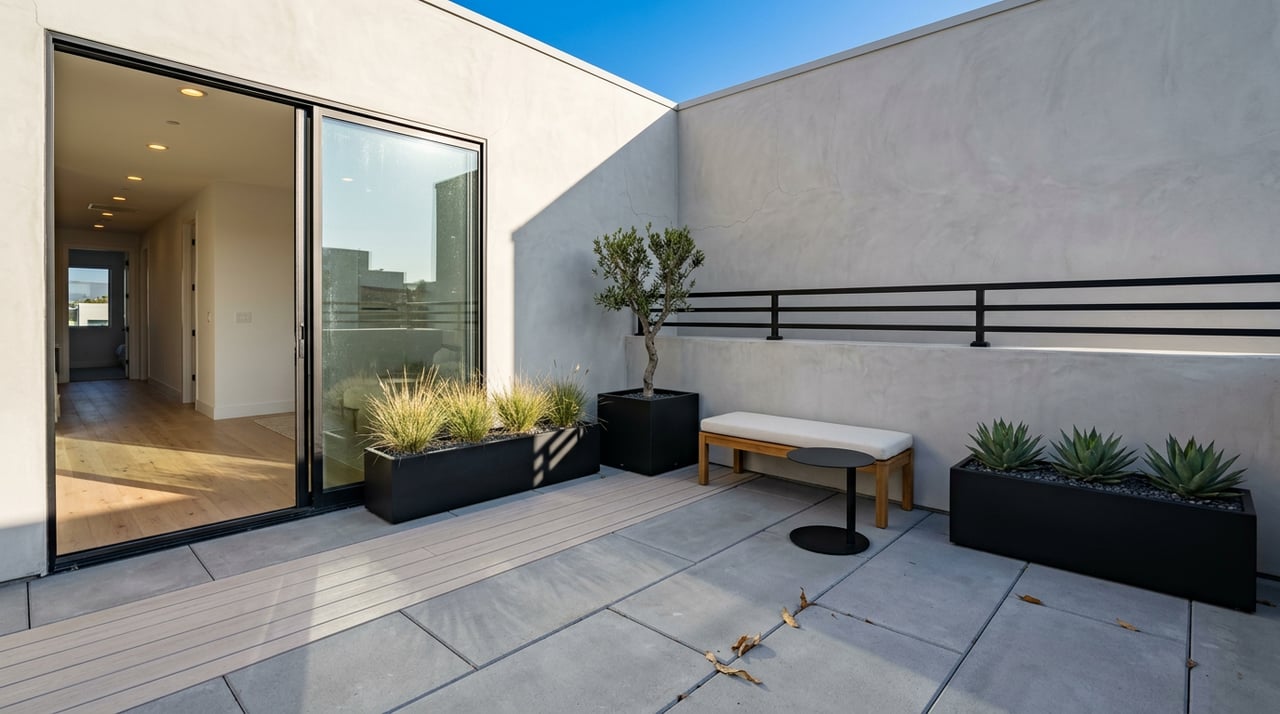
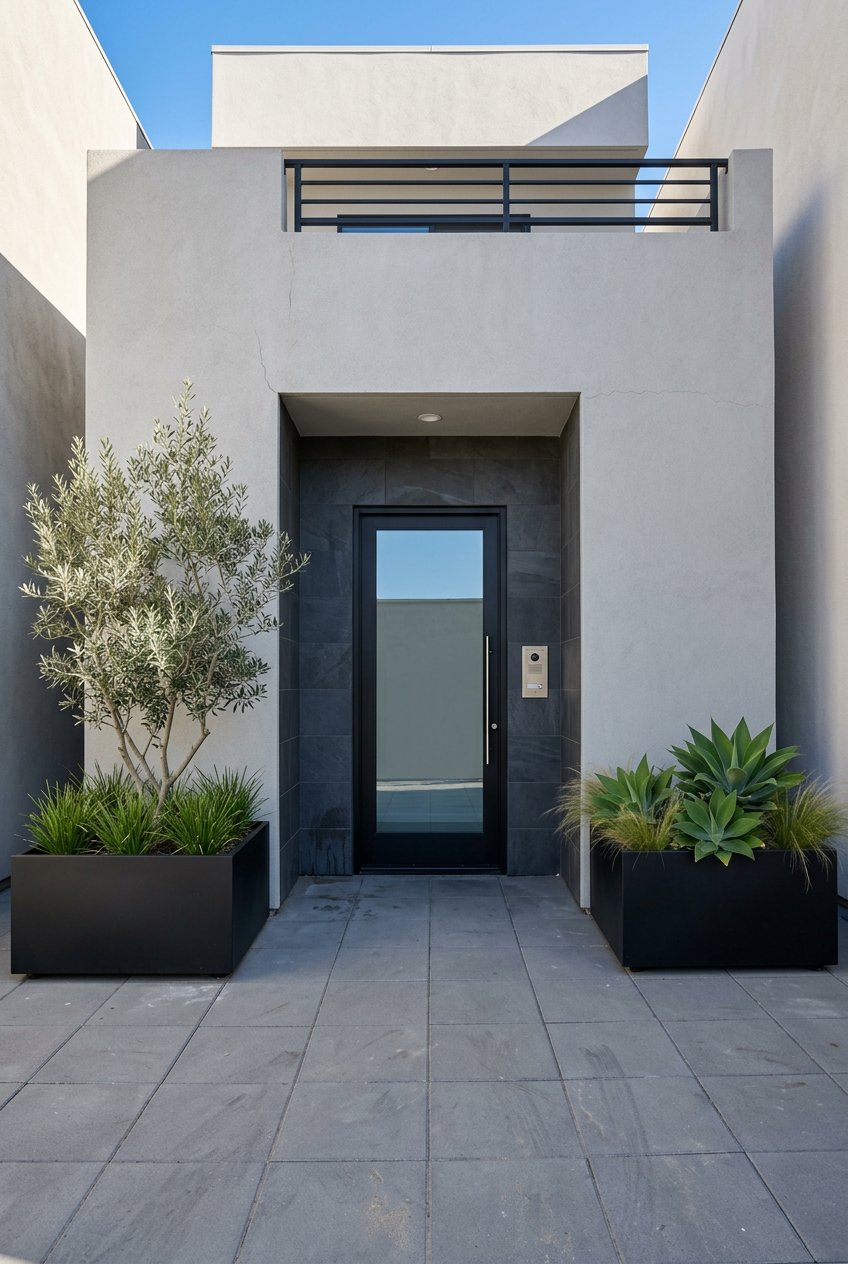
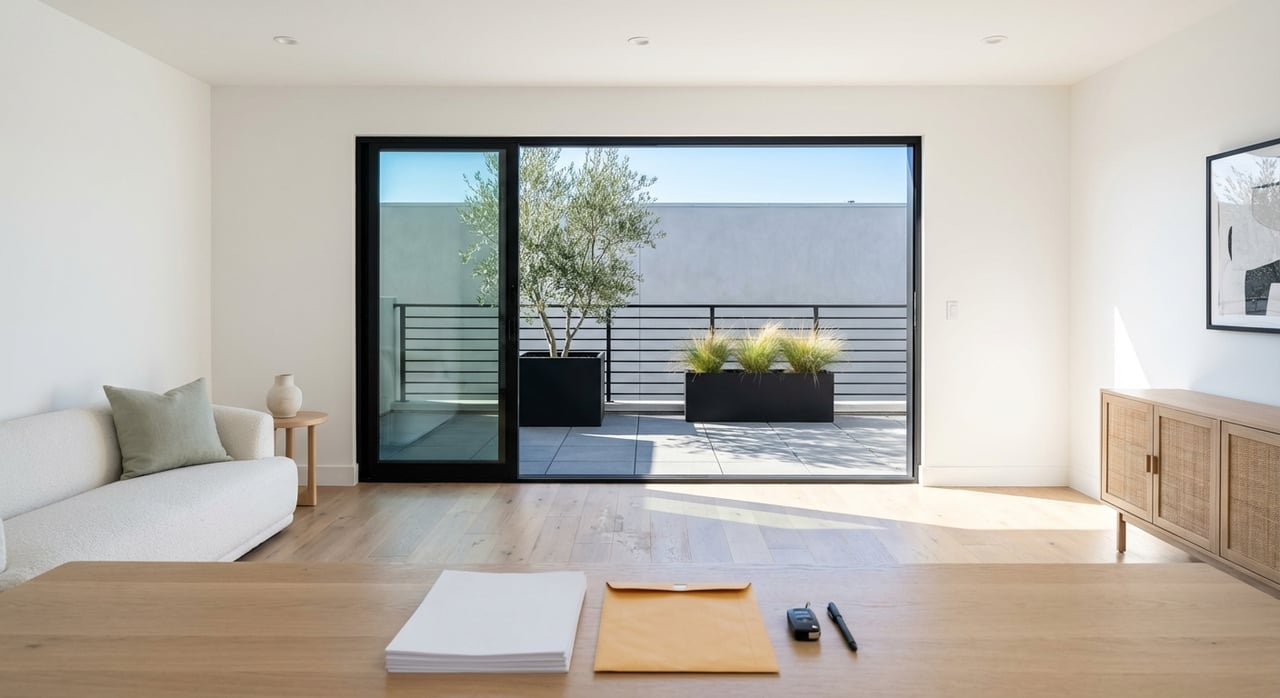
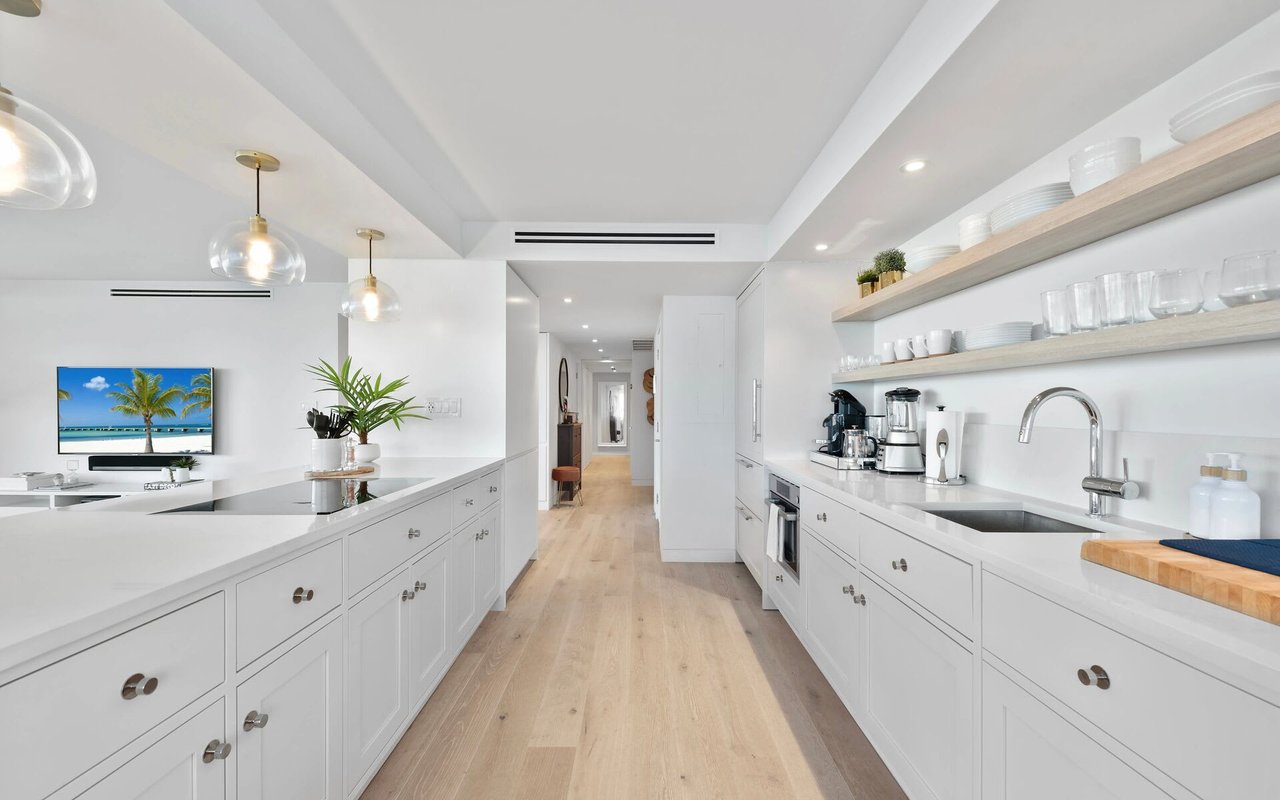
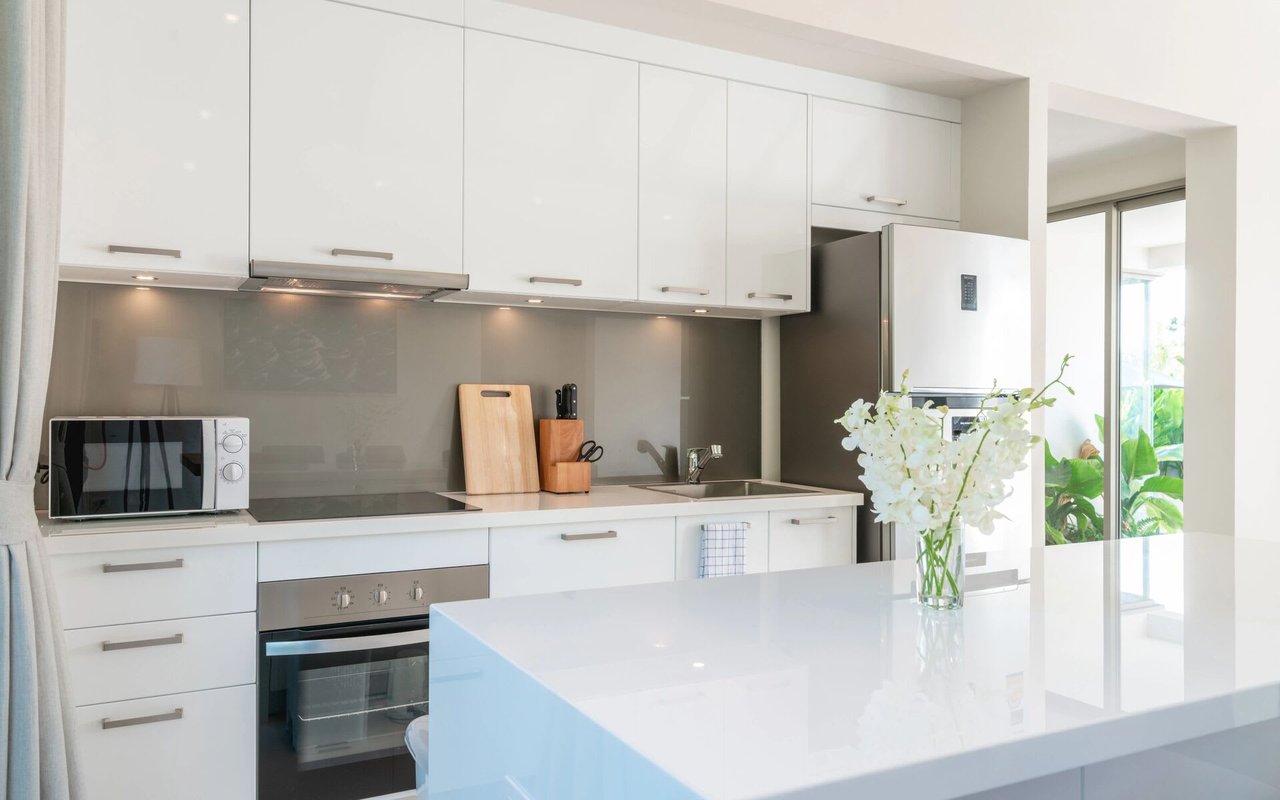
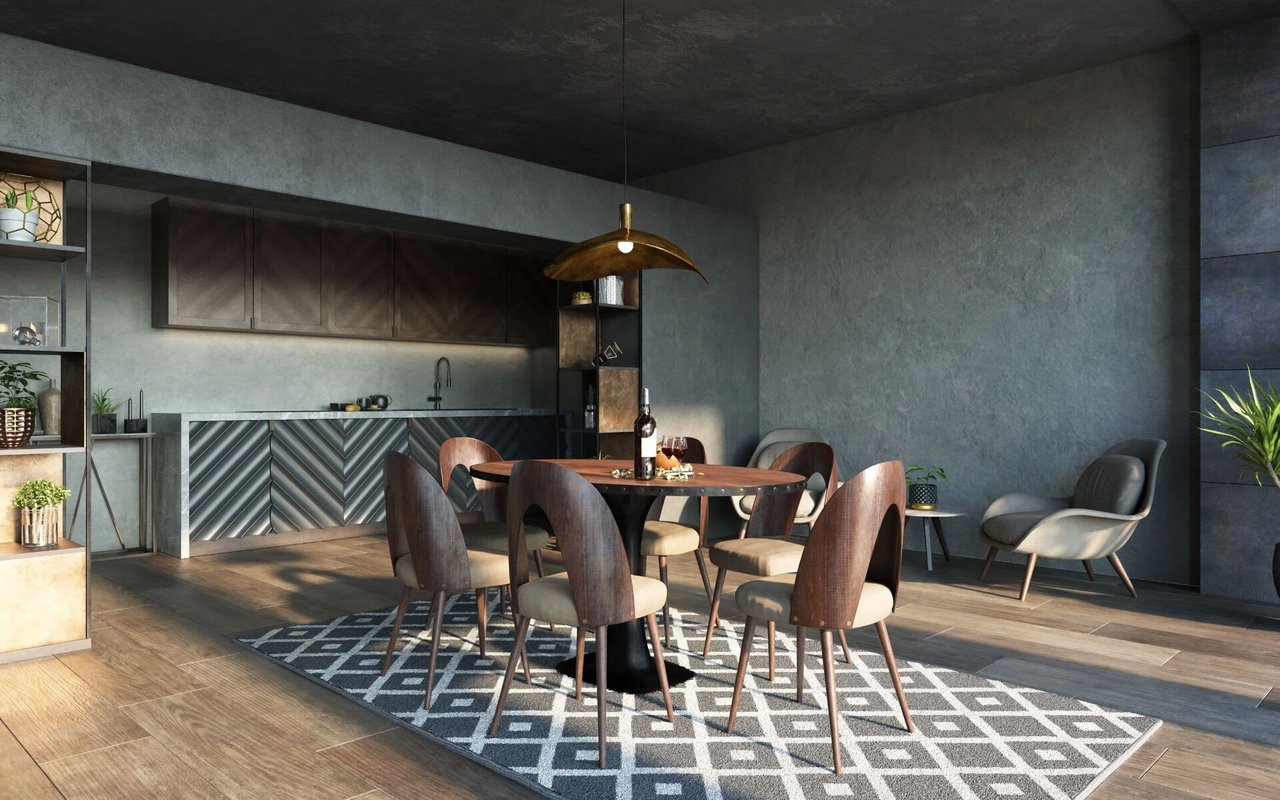
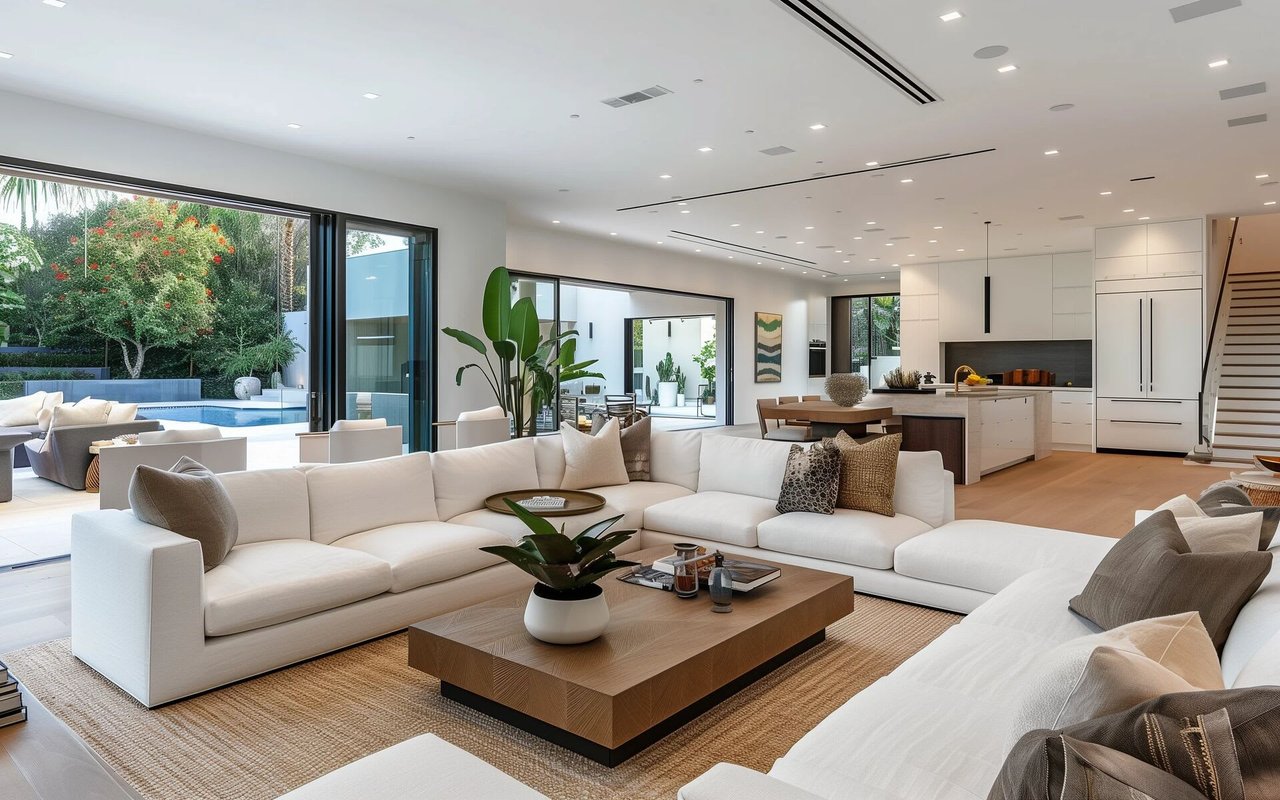
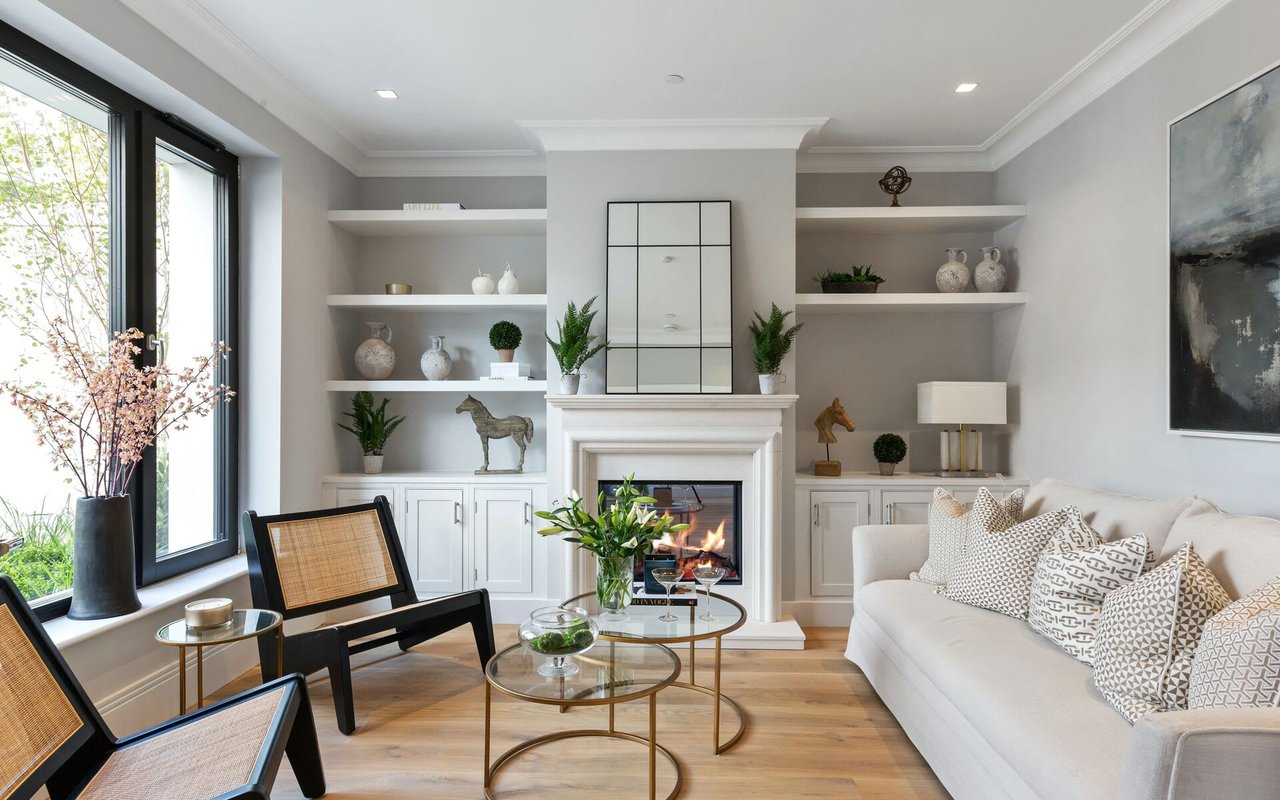
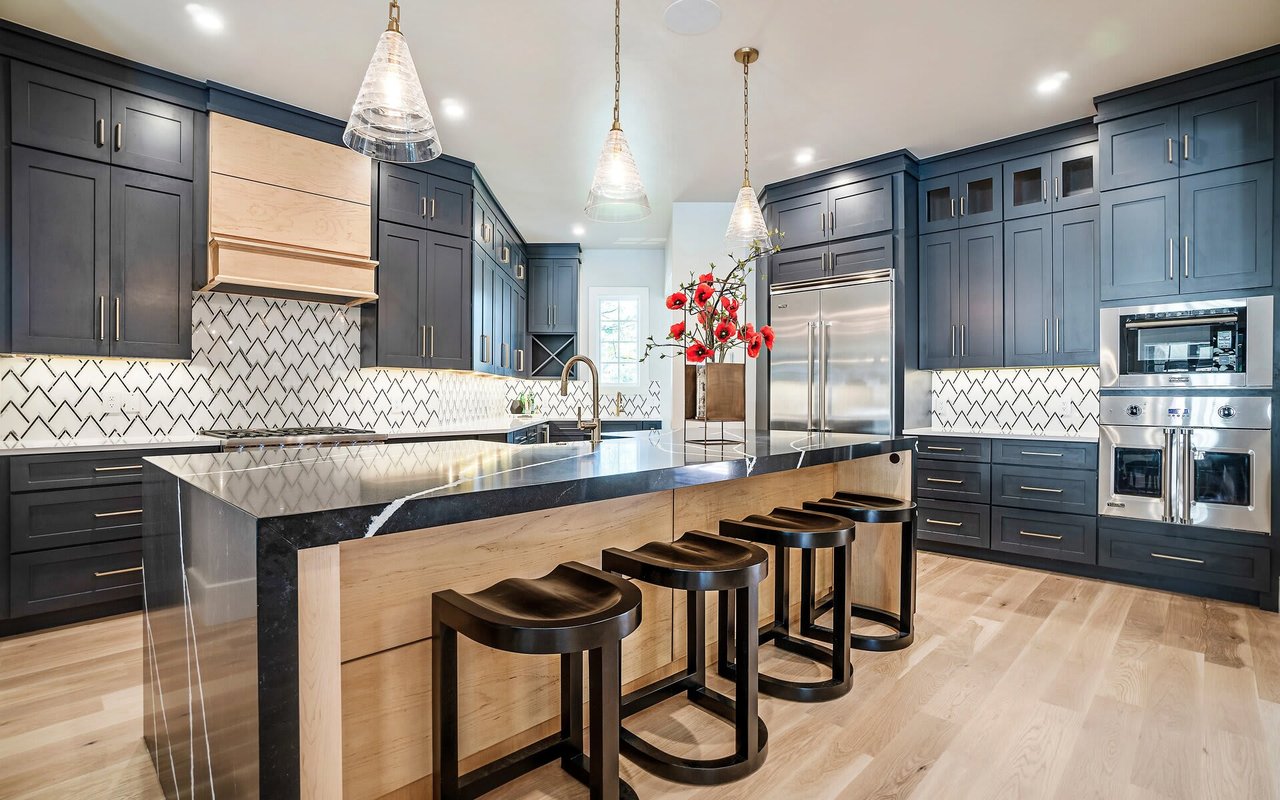
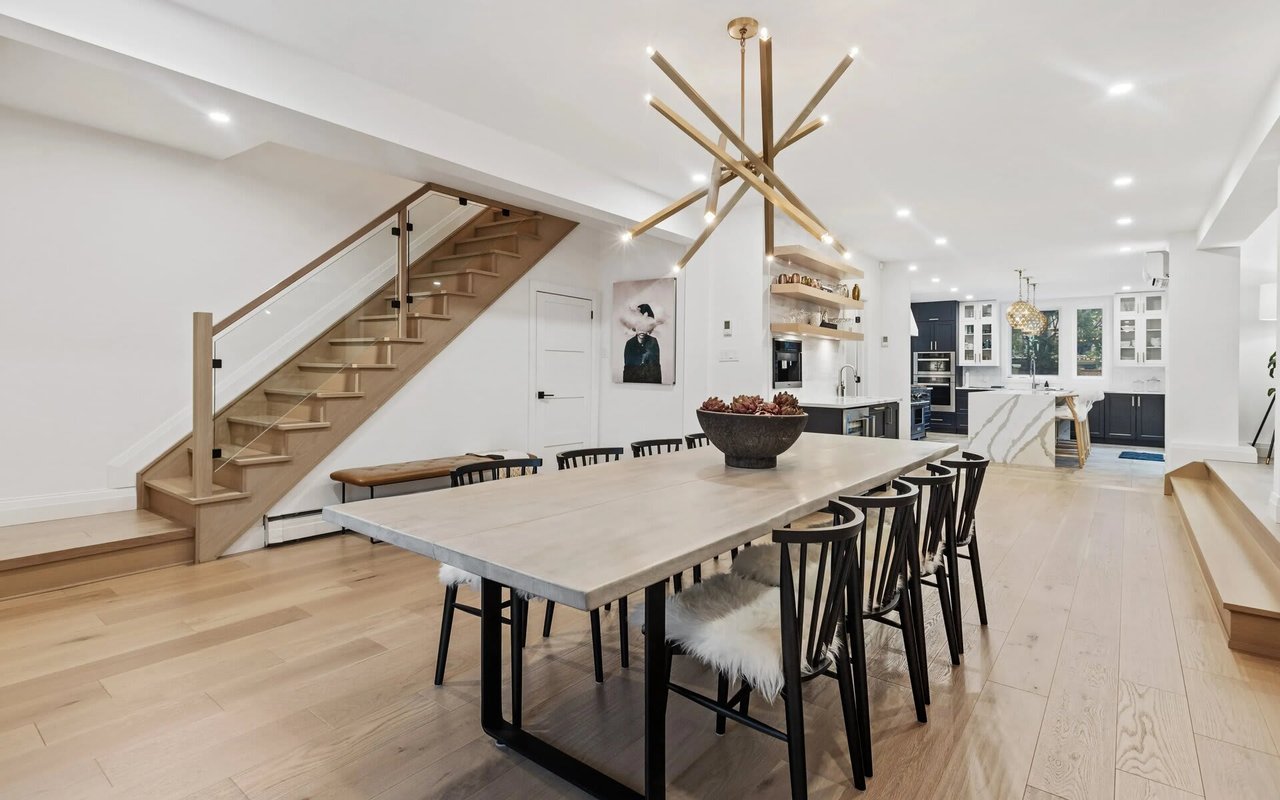
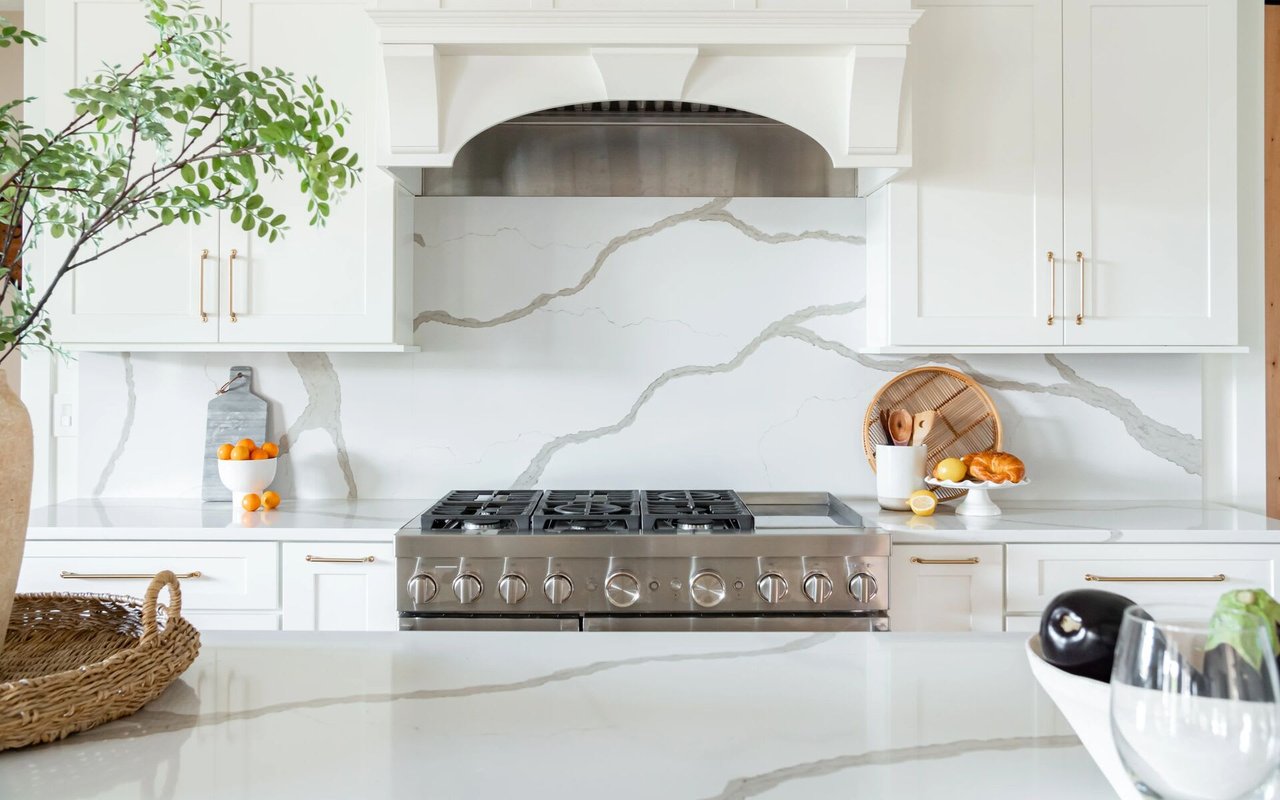
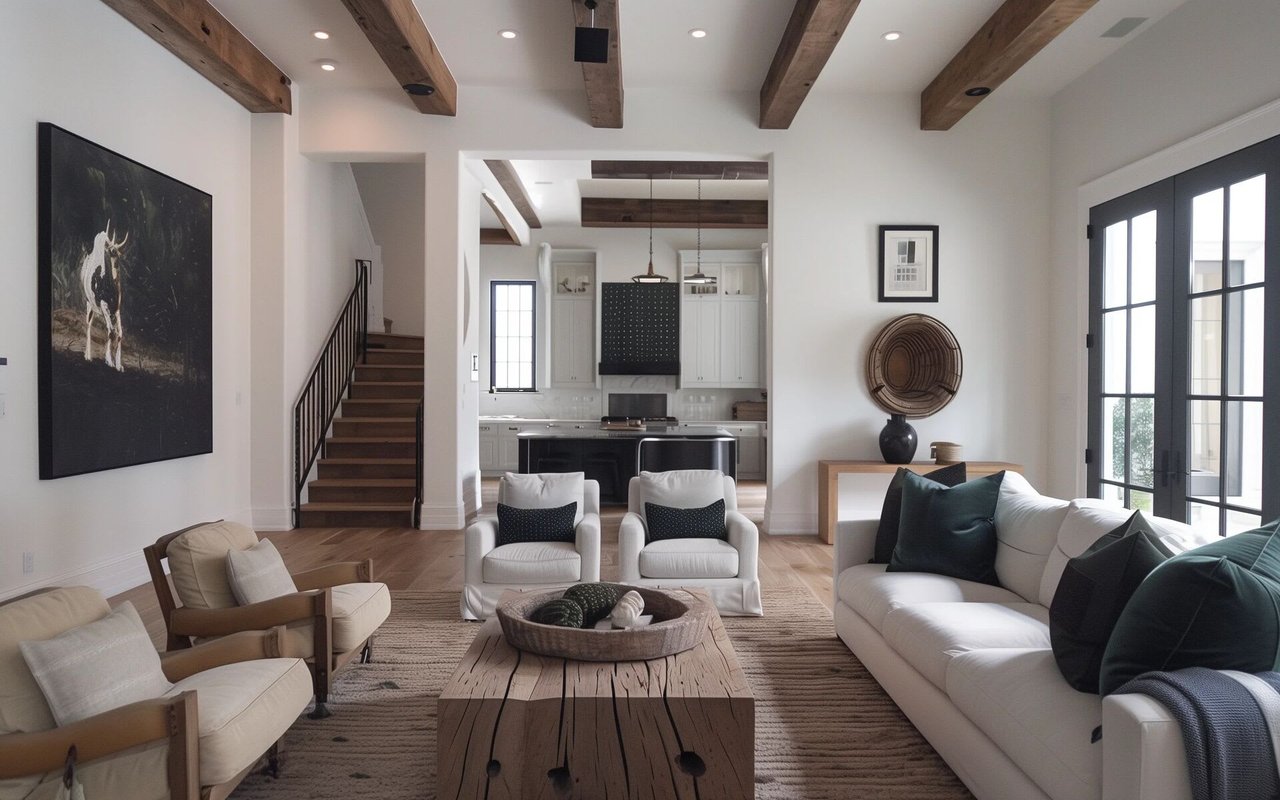
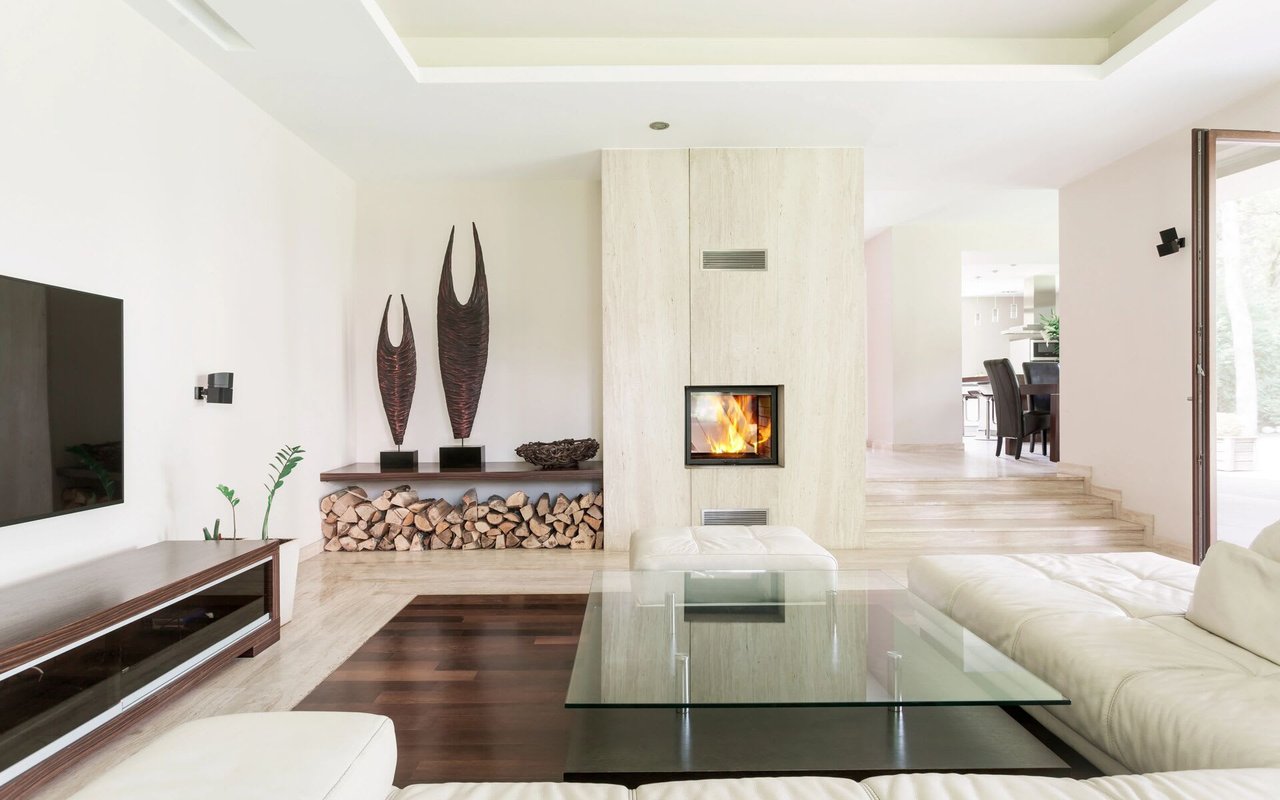
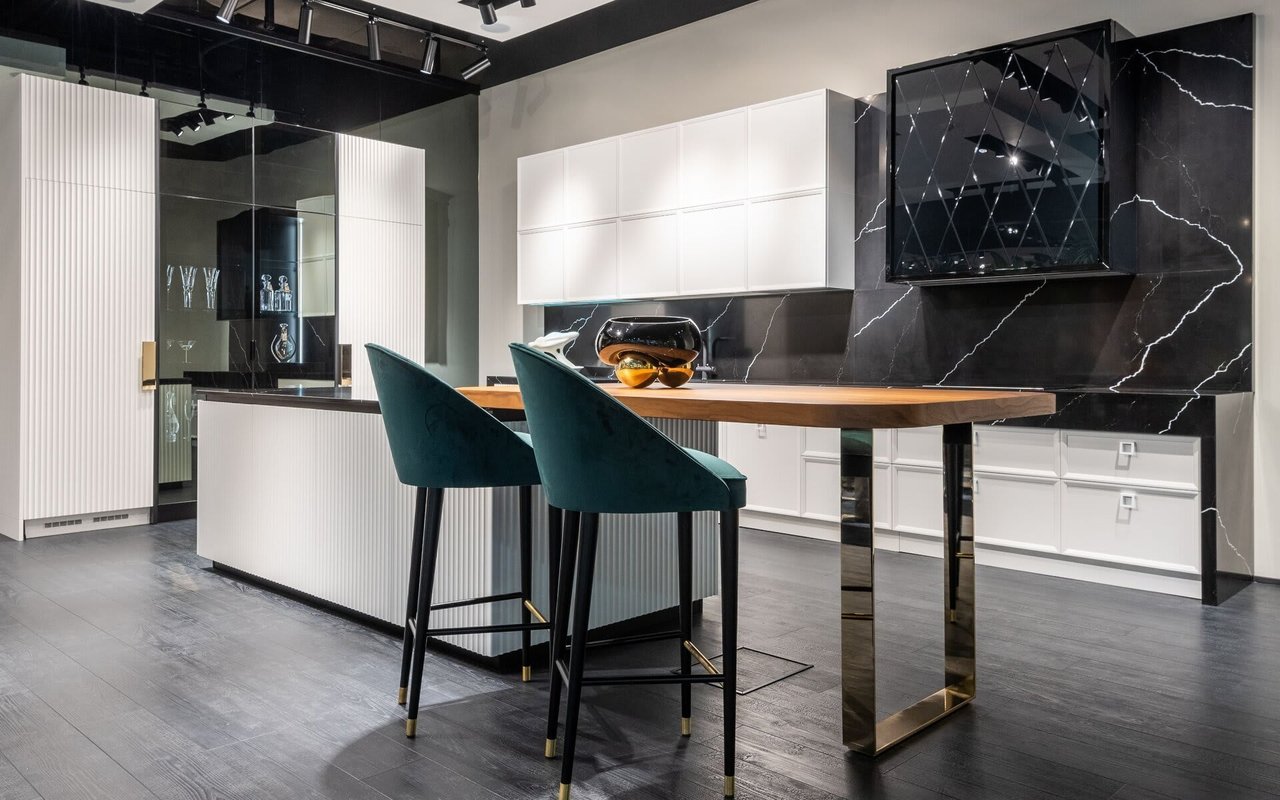
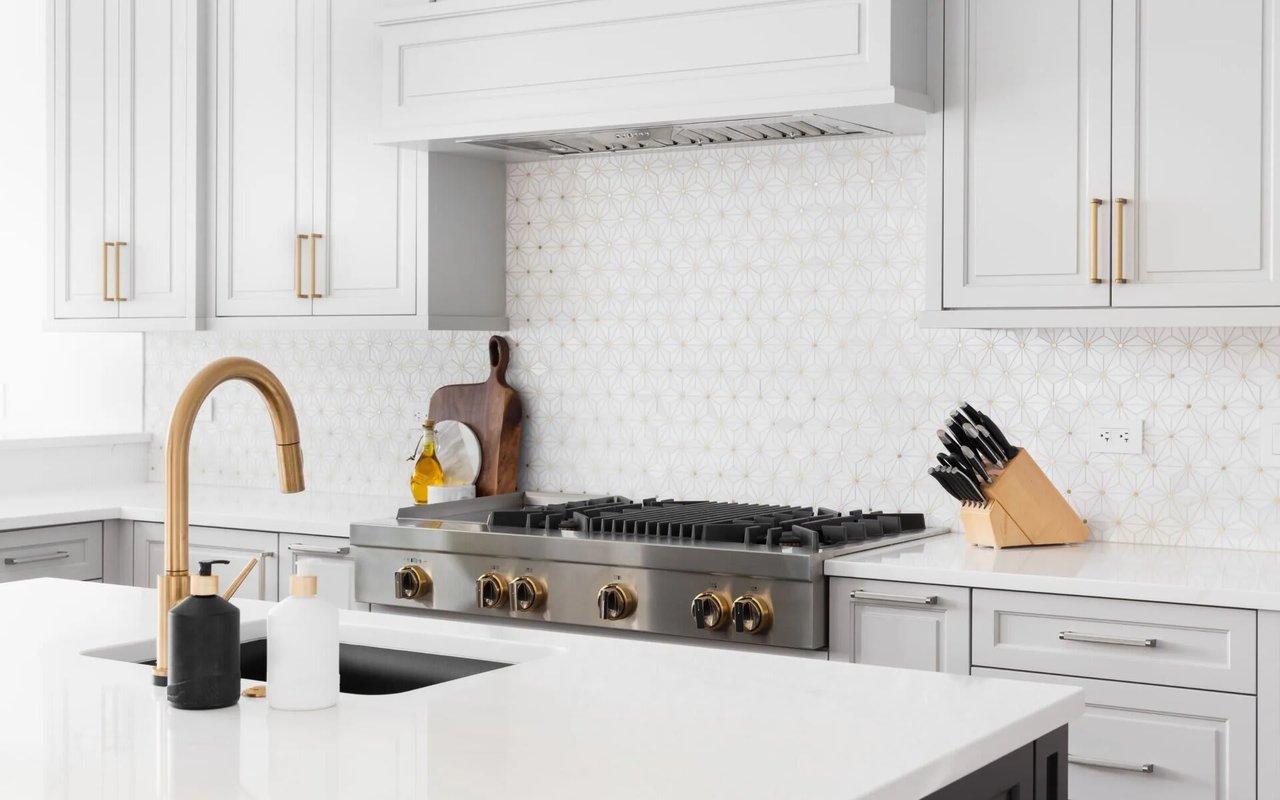
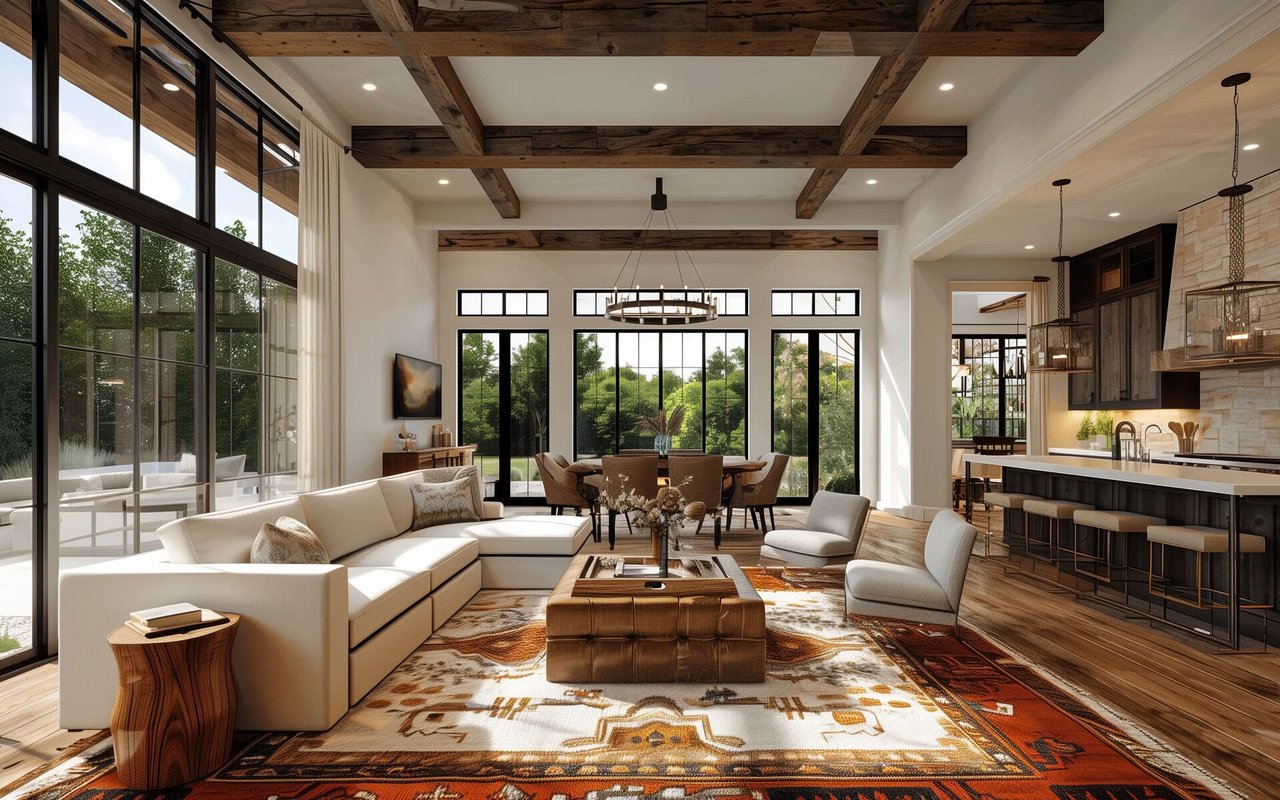
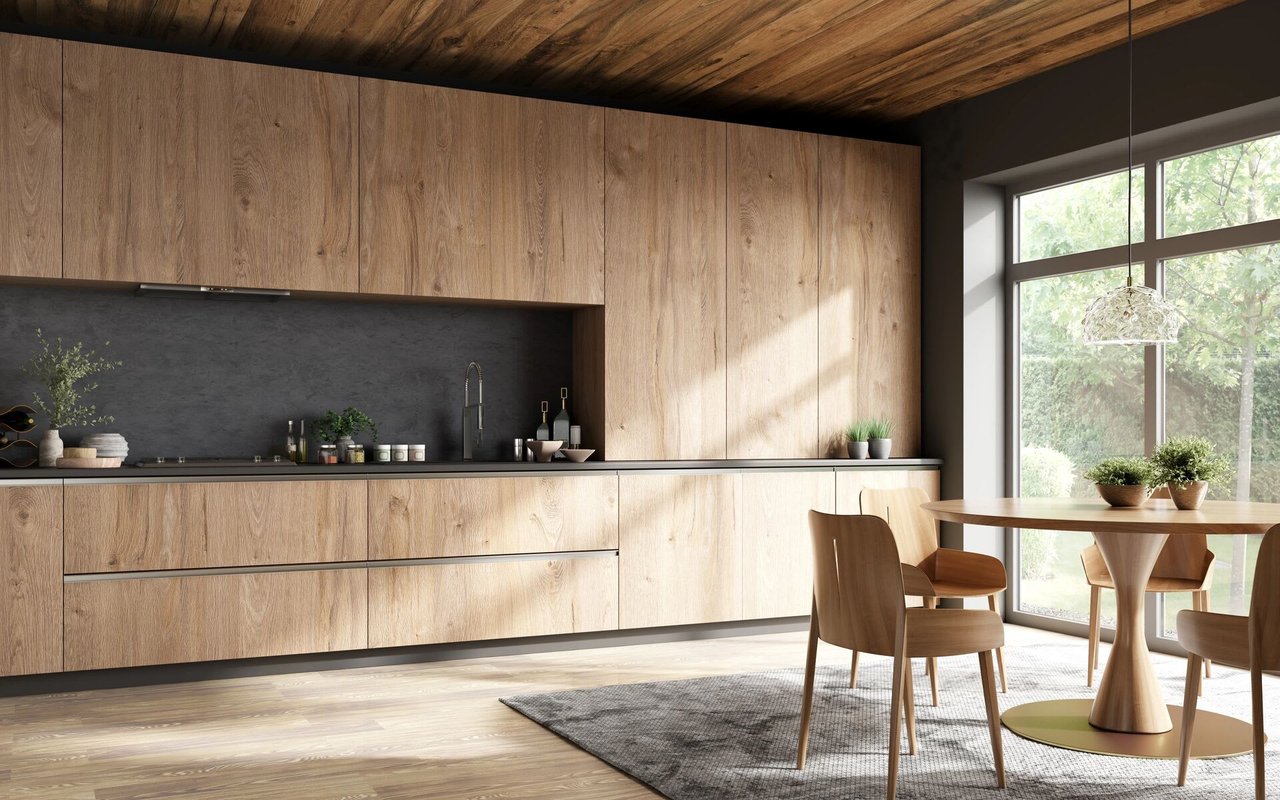
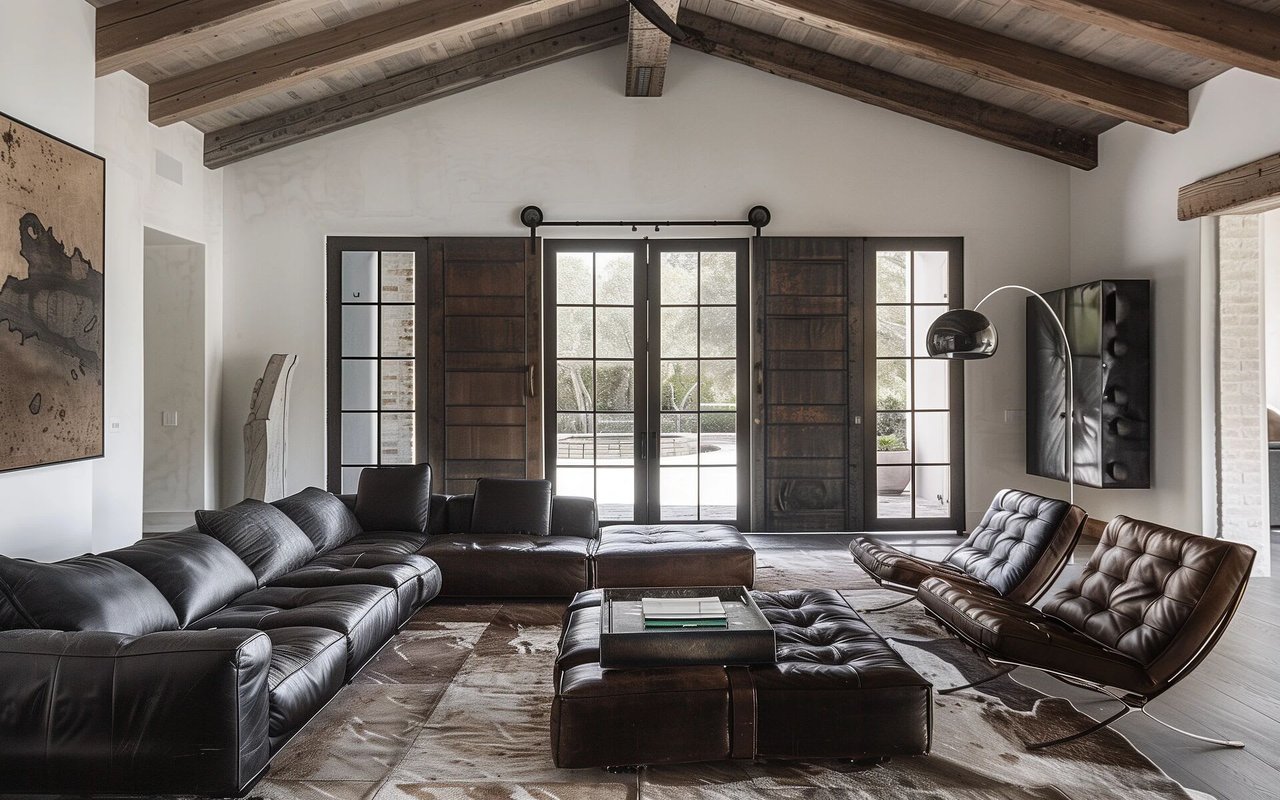
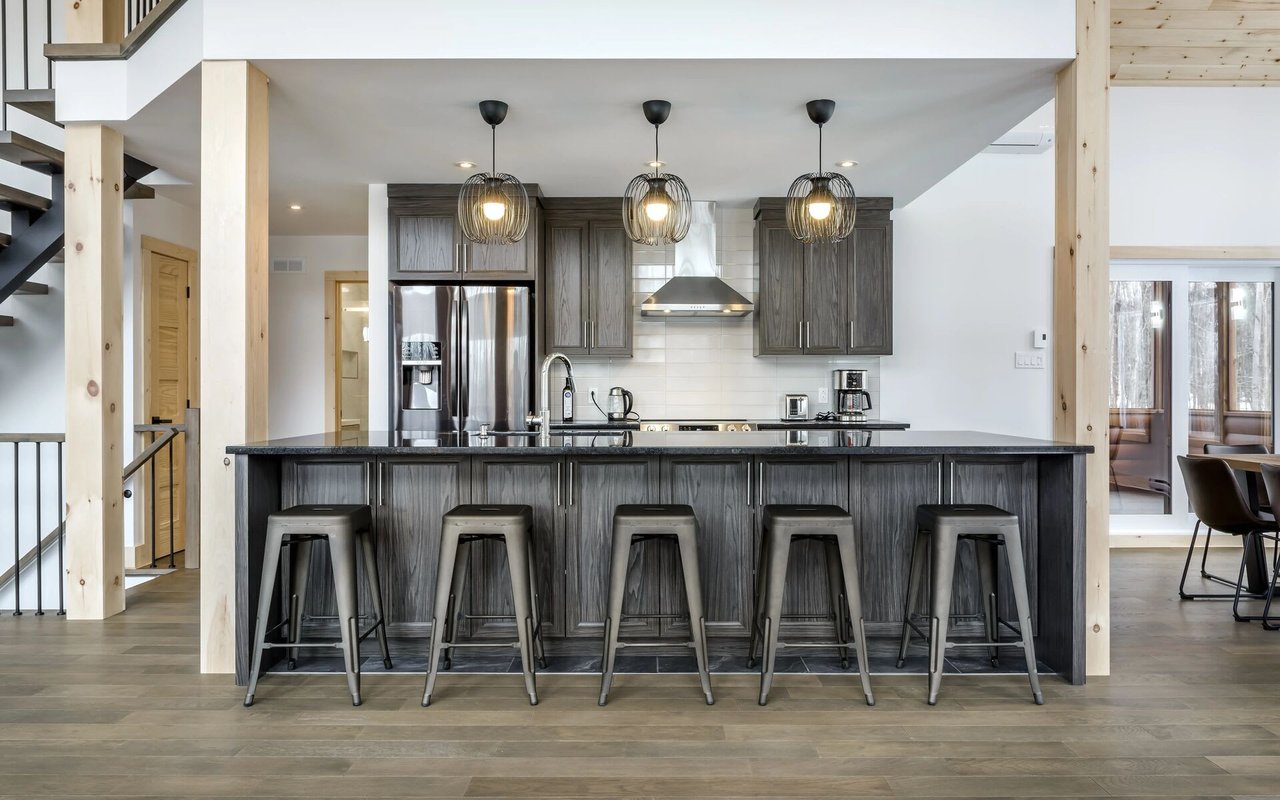
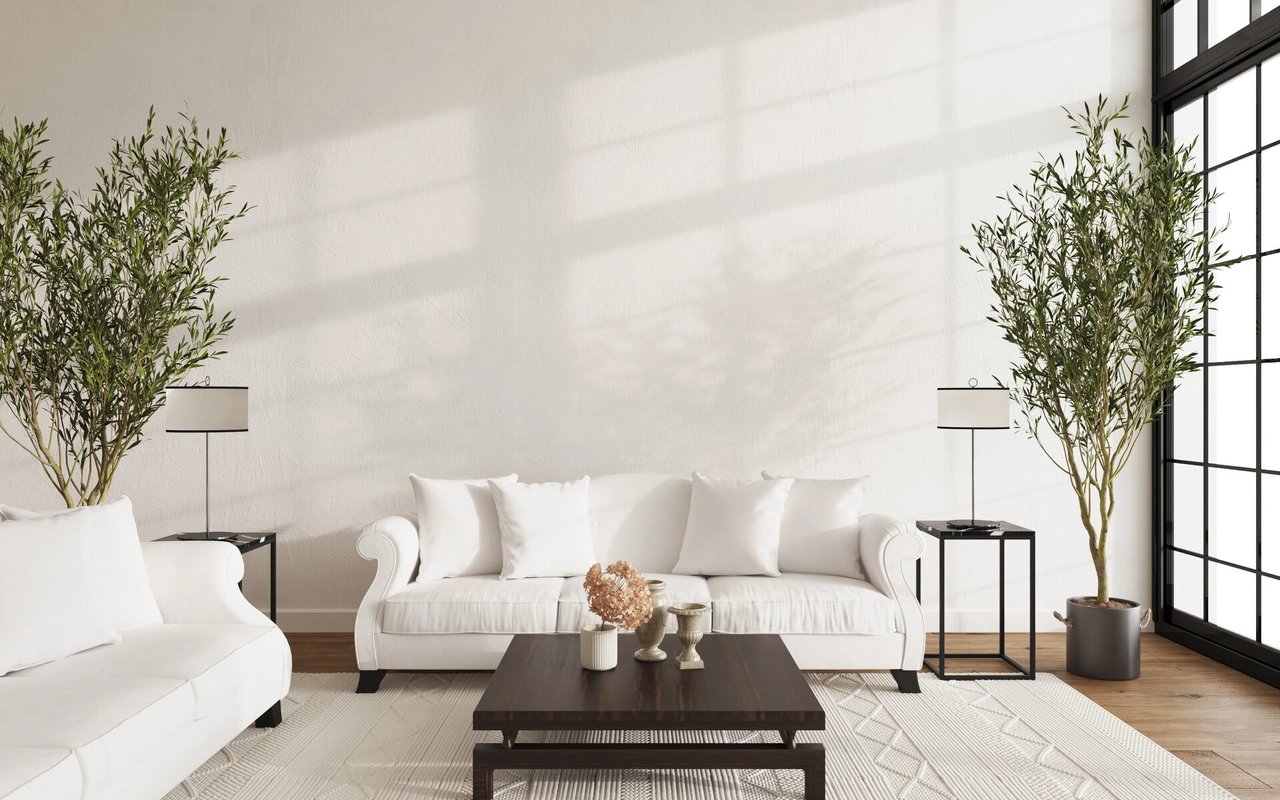
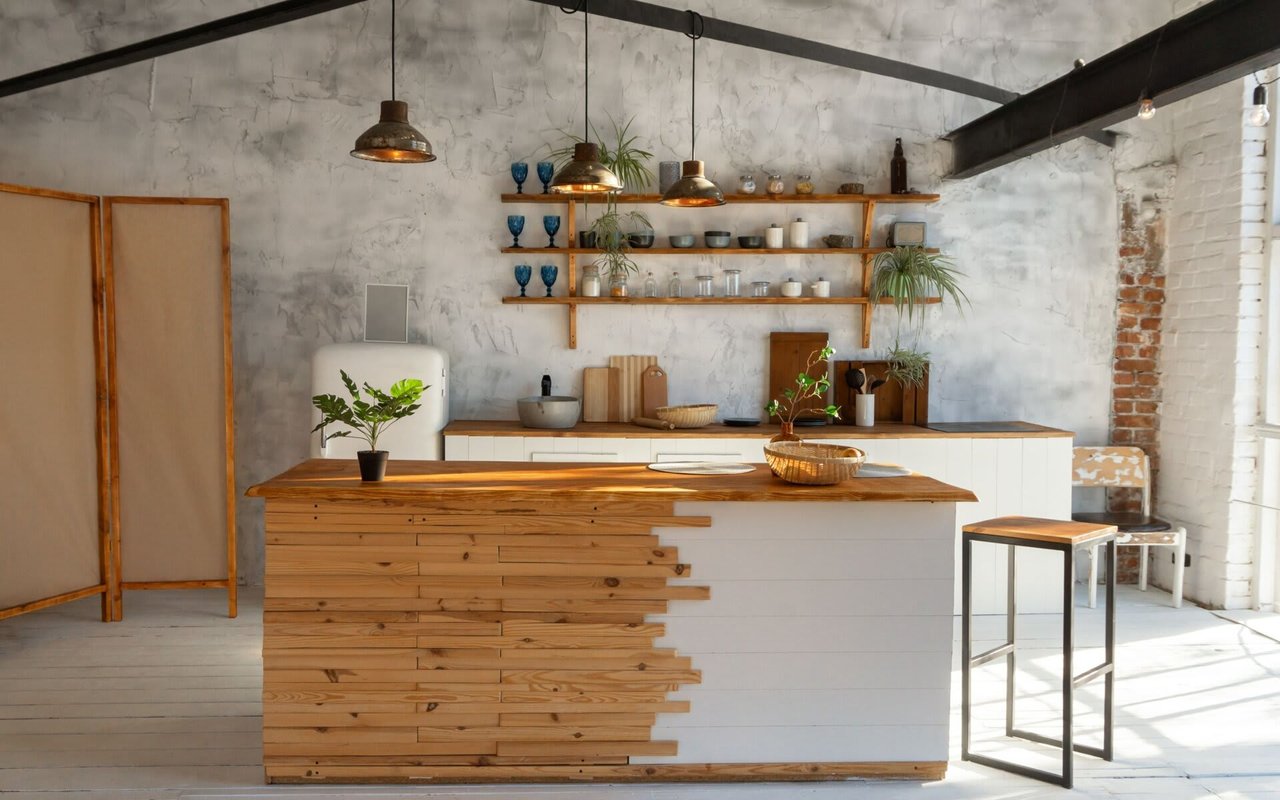
That is part of the appeal behind refined, turnkey Pasadena condo offerings. Features like high ceilings, private balconies, secure parking, and thoughtfully finished interiors can be especially attractive to buyers who want a low-maintenance second home or an easier-to-market rental.
A boutique scale can also appeal to buyers who prefer a more intimate residential setting over a larger mixed-use environment. When paired with a strong HOA structure and a well-located Pasadena address, that combination can support both personal enjoyment and future resale positioning.
A Smart Buying Framework
If you are seriously considering an Old Pasadena condo, it helps to evaluate each option through a simple lens:
- Use case: Are you buying mainly for personal use, long-term rental, or a blend of both?
- City compliance: Does your plan align with Pasadena’s short-term rental rules?
- HOA rules: Do the governing documents support your intended use?
- Financial health: Are reserves, assessments, and maintenance planning in good shape?
- Resale practicality: Does the condo offer transit access, parking, and everyday convenience?
This framework can keep you focused on durable value rather than short-term excitement.
Old Pasadena remains one of Pasadena’s most distinctive condo markets because it brings together walkability, cultural depth, and real urban energy. For investors and second-home buyers, that can be a strong combination, especially when you focus on long-term rental potential, HOA quality, and practical resale drivers. If you want a refined Pasadena condo purchase with thoughtful guidance and a high-touch local approach, connect with Shahe Seuylemezian to schedule a private tour.
FAQs
What makes Old Pasadena appealing for condo investors?
- Old Pasadena offers strong foot traffic, a large business and restaurant base, transit access, and broad lifestyle appeal, all of which can support long-term rental demand and resale interest.
Can you use an Old Pasadena condo as a short-term rental?
- In Pasadena, vacation rentals are not permitted, and short-term rental permits are only available to primary residents who live at the property at least nine months per calendar year.
What HOA documents should condo buyers review in Old Pasadena?
- You should review the CC&Rs, bylaws, budget information, reserve study details, assessment history, and current rules on leasing, parking, balconies, pets, and other daily-use items.
Why do HOA reserves matter when buying an Old Pasadena condo?
- Reserve funding helps show whether the association is planning responsibly for future repairs and maintenance, which can reduce the risk of surprise costs or special assessments.
What features can support condo resale in Old Pasadena?
- Features that often help include transit proximity, secure or assigned parking, clear leasing rules, healthy HOA reserves, and a location that fits Pasadena’s central, walkable planning framework.