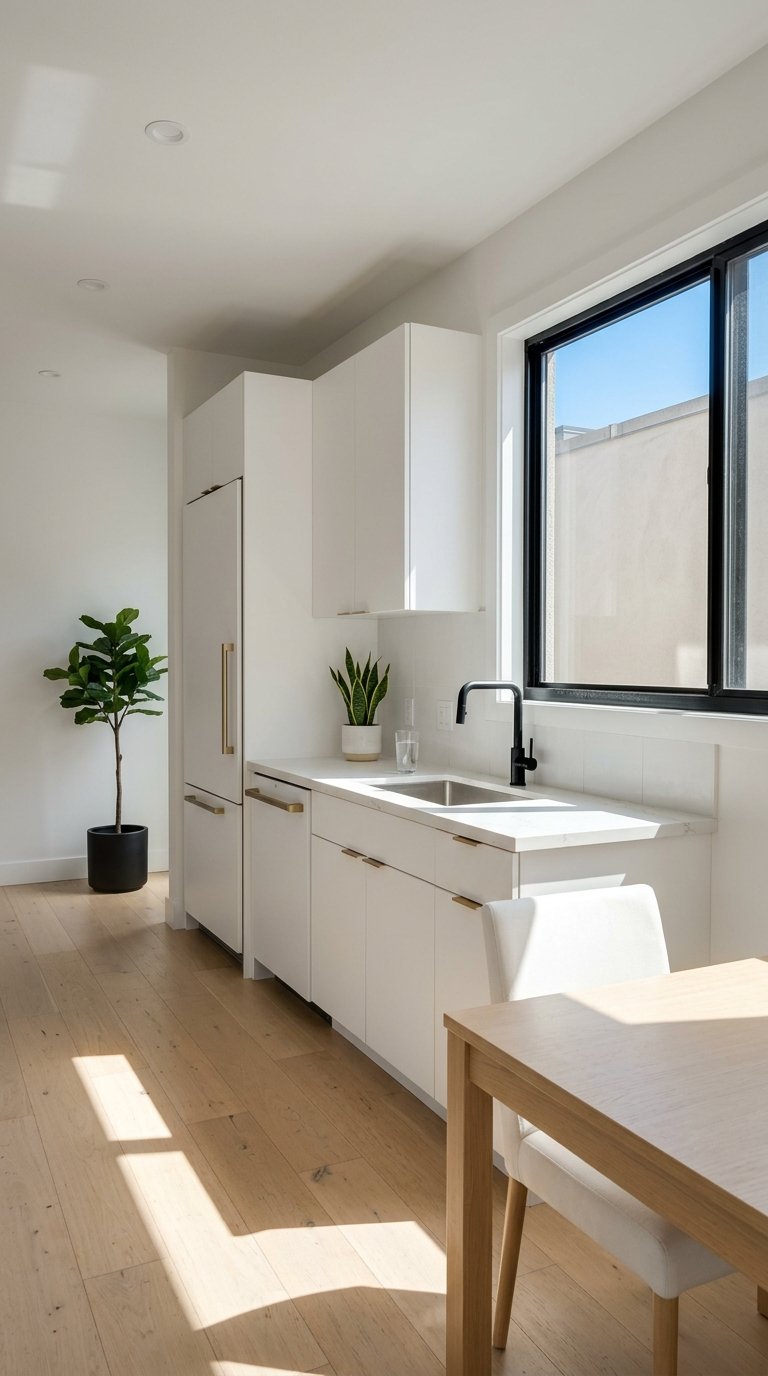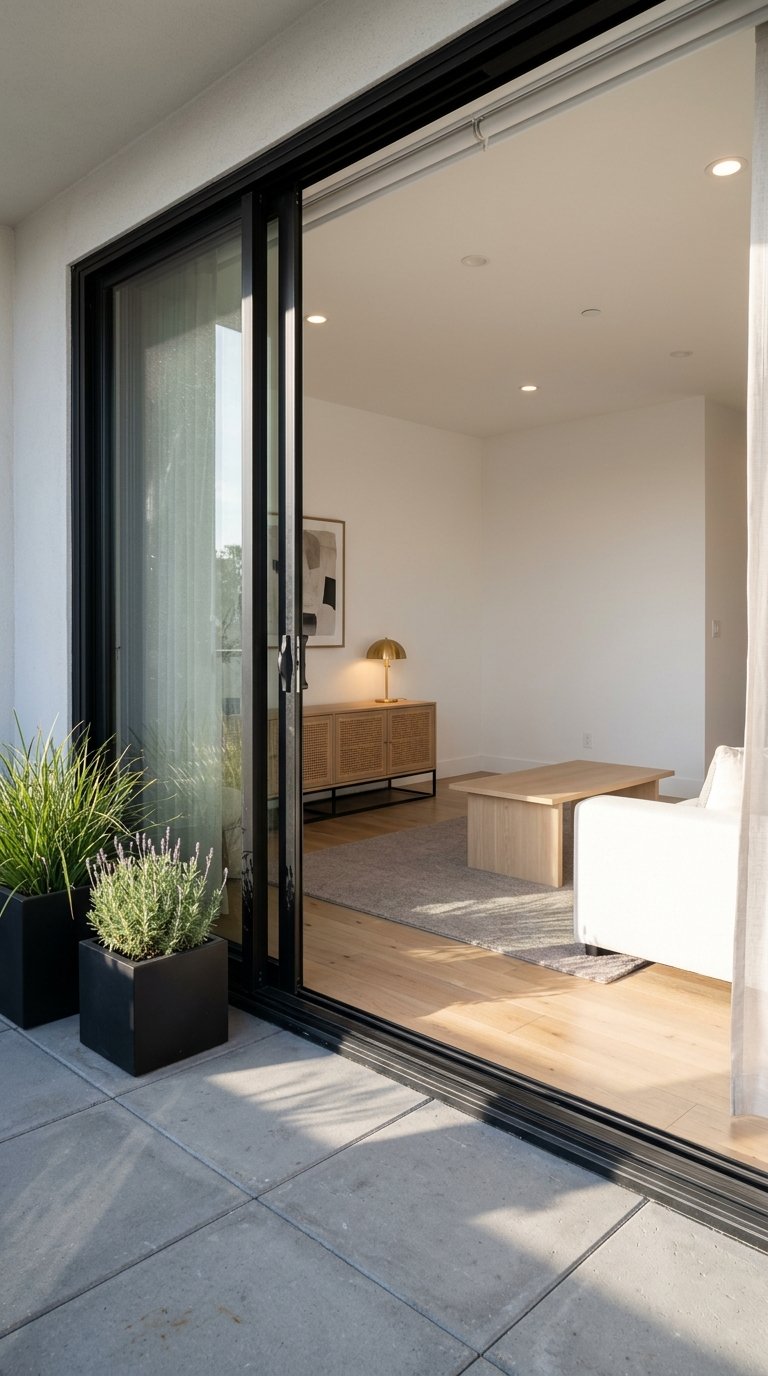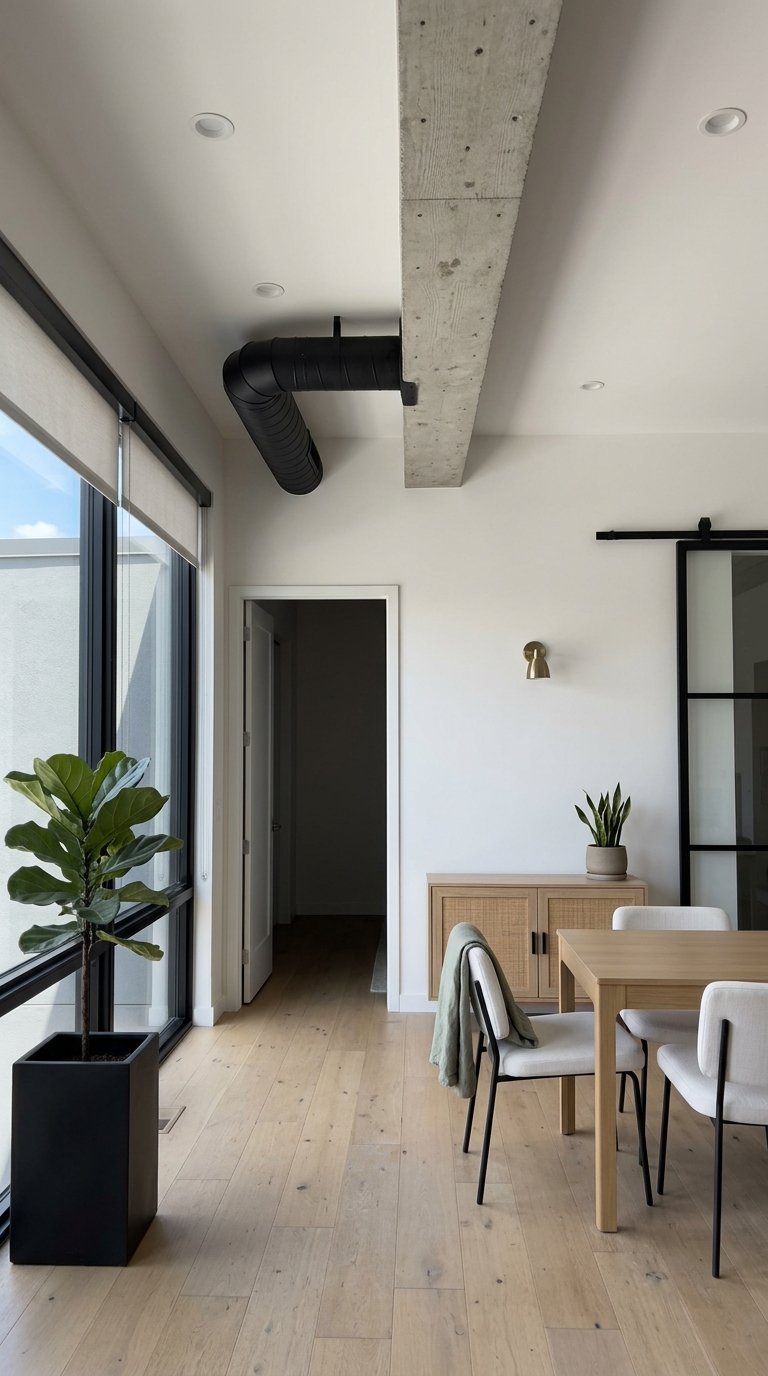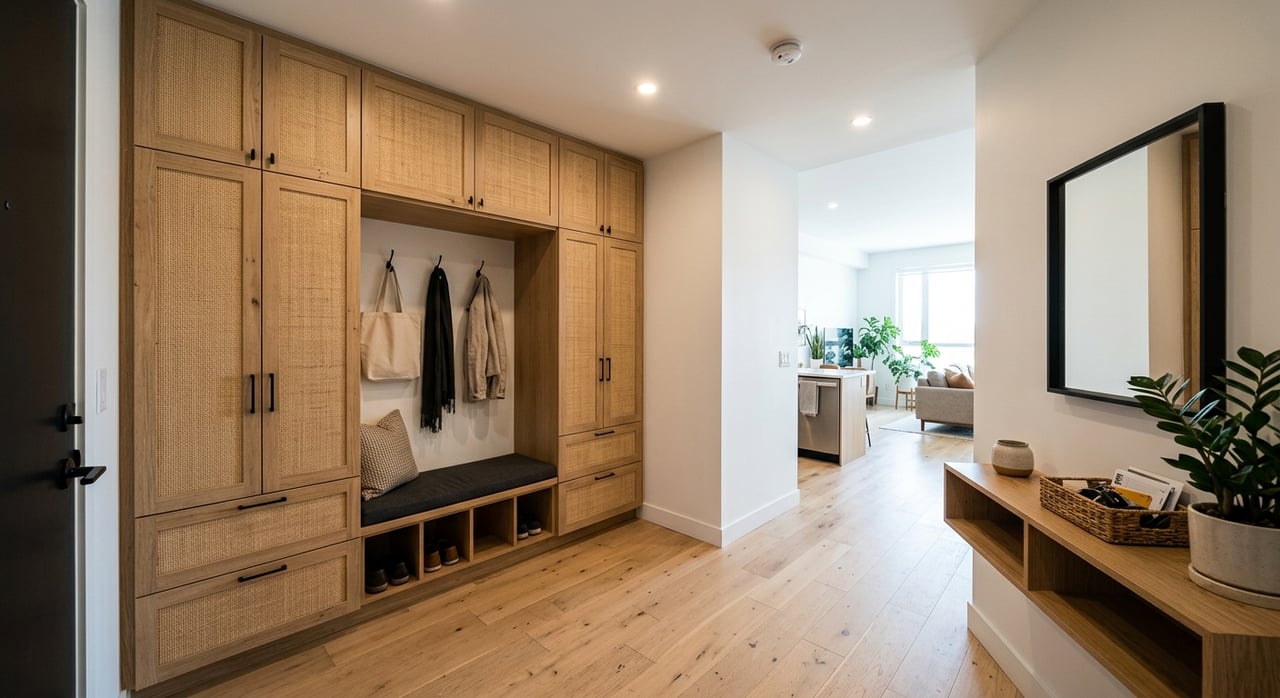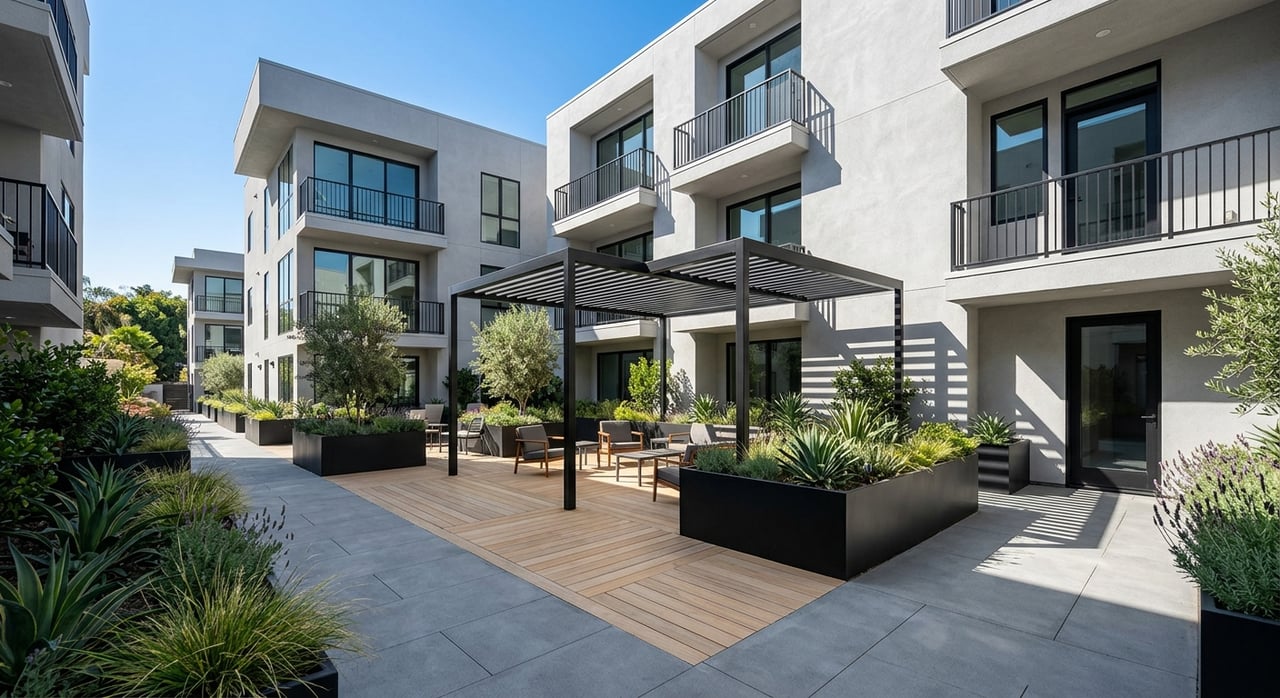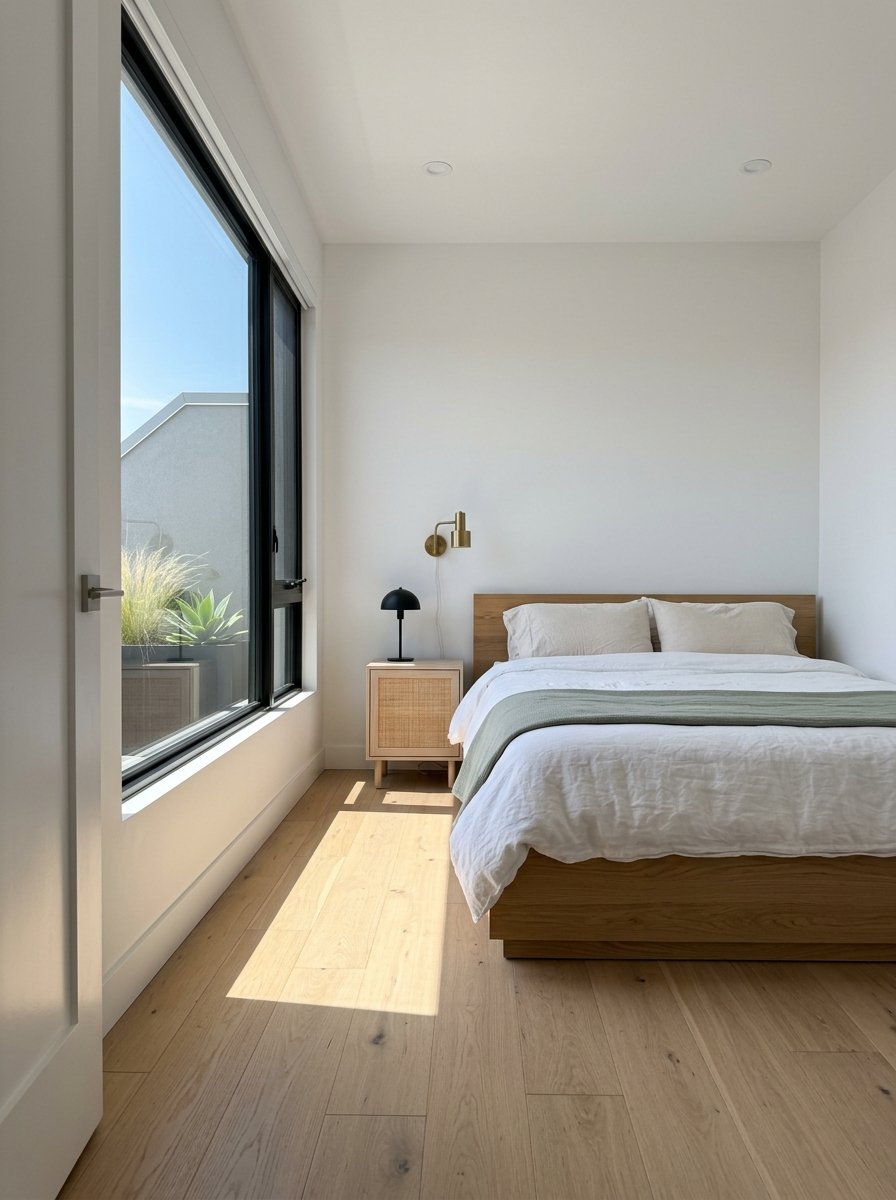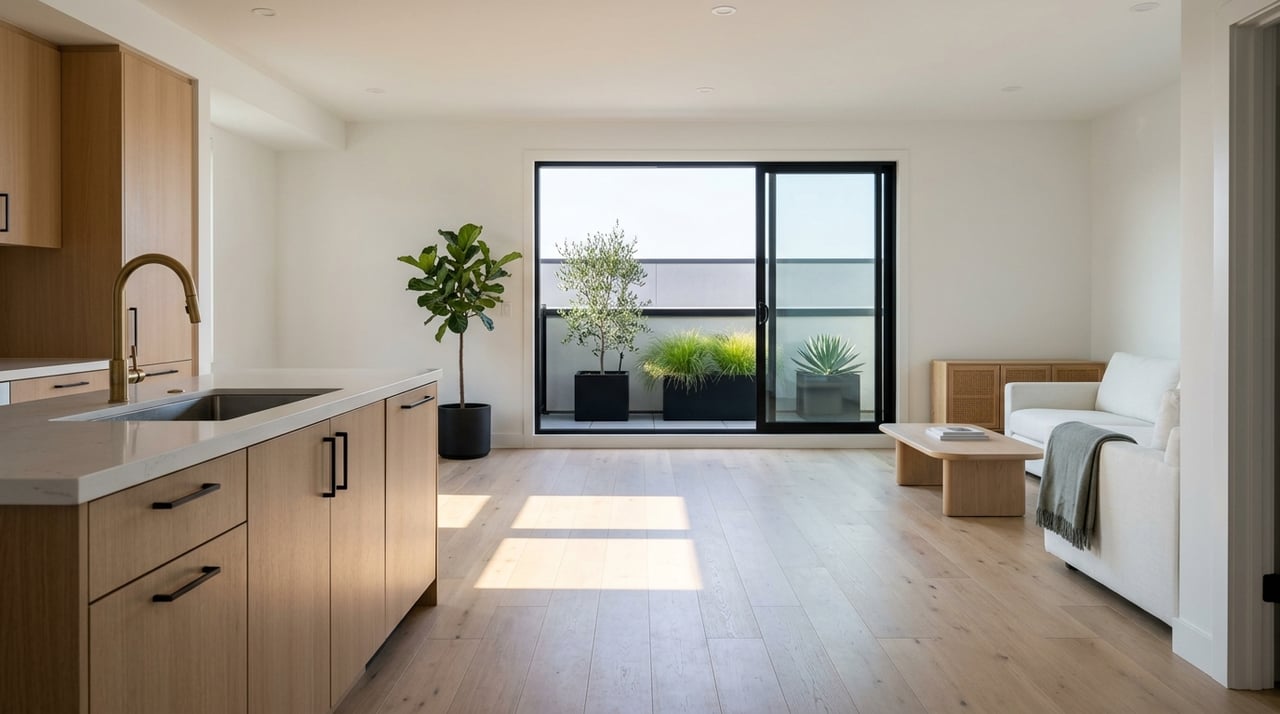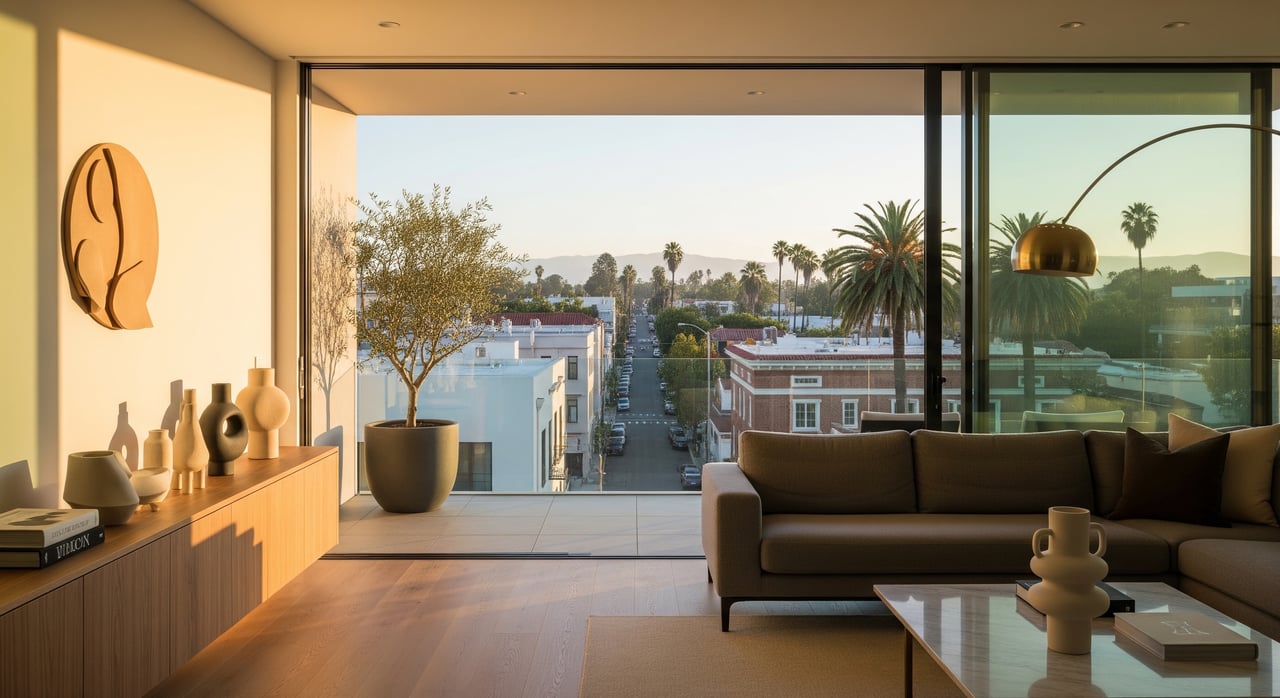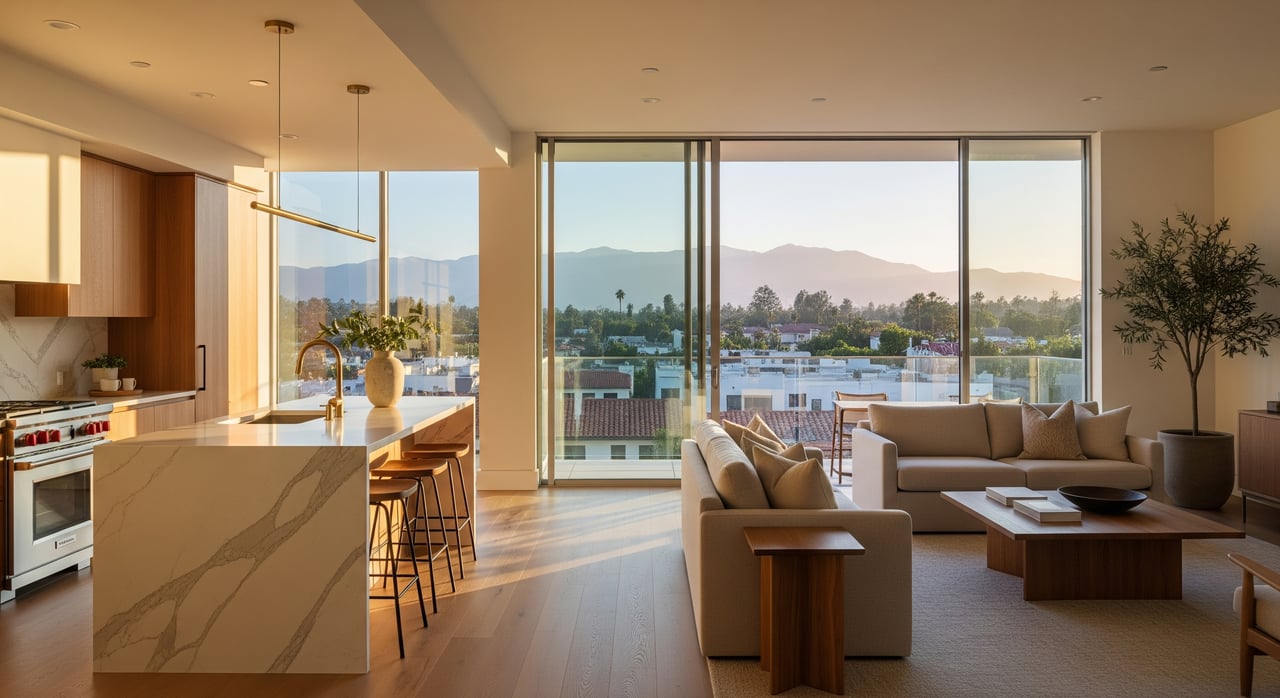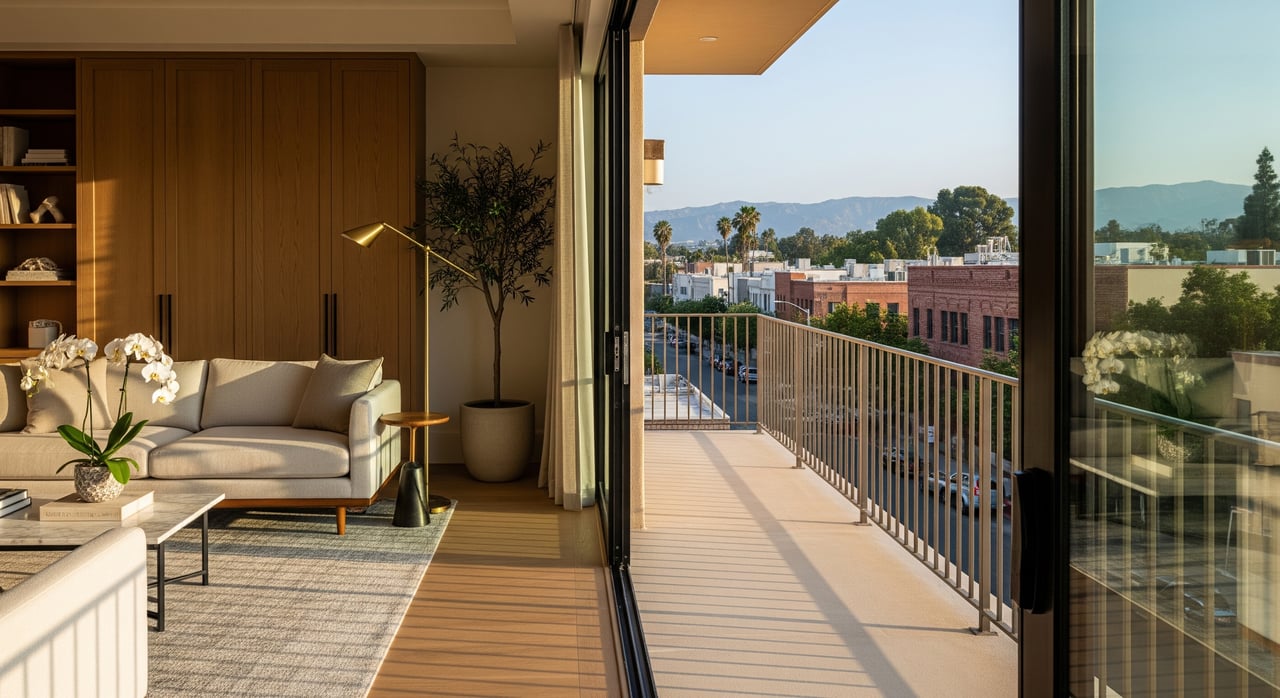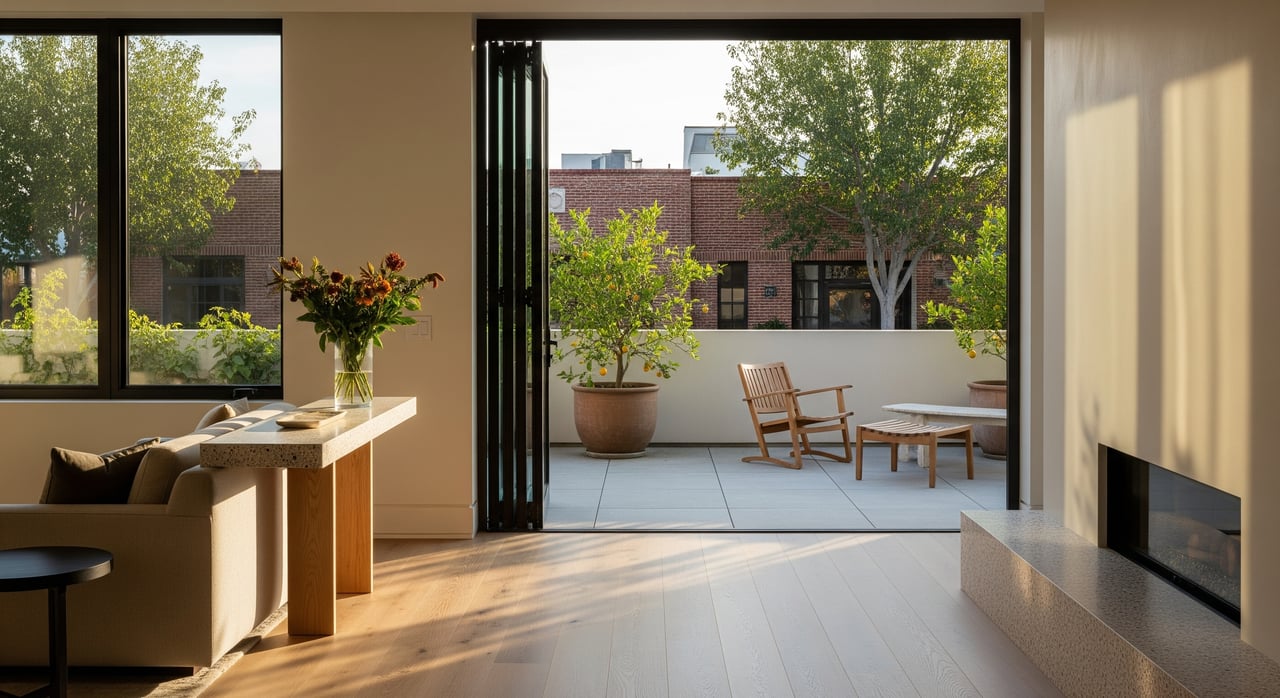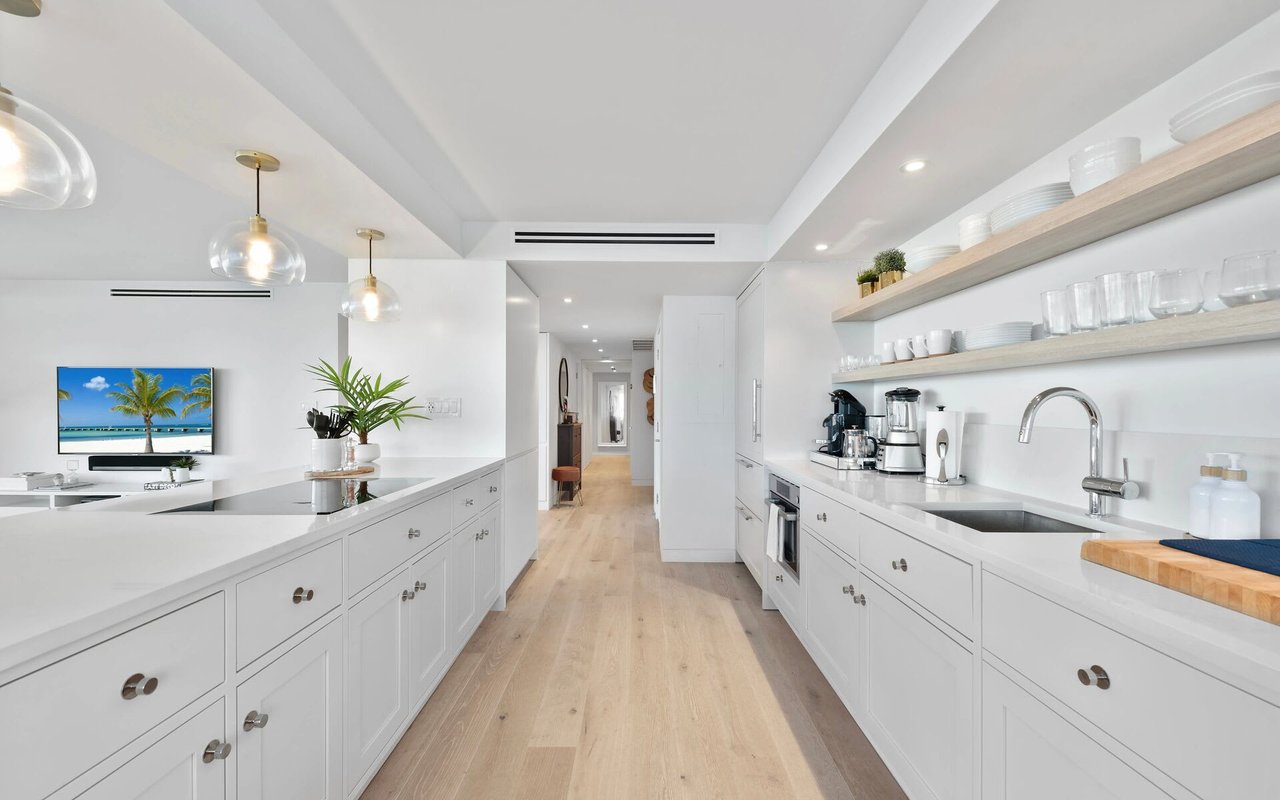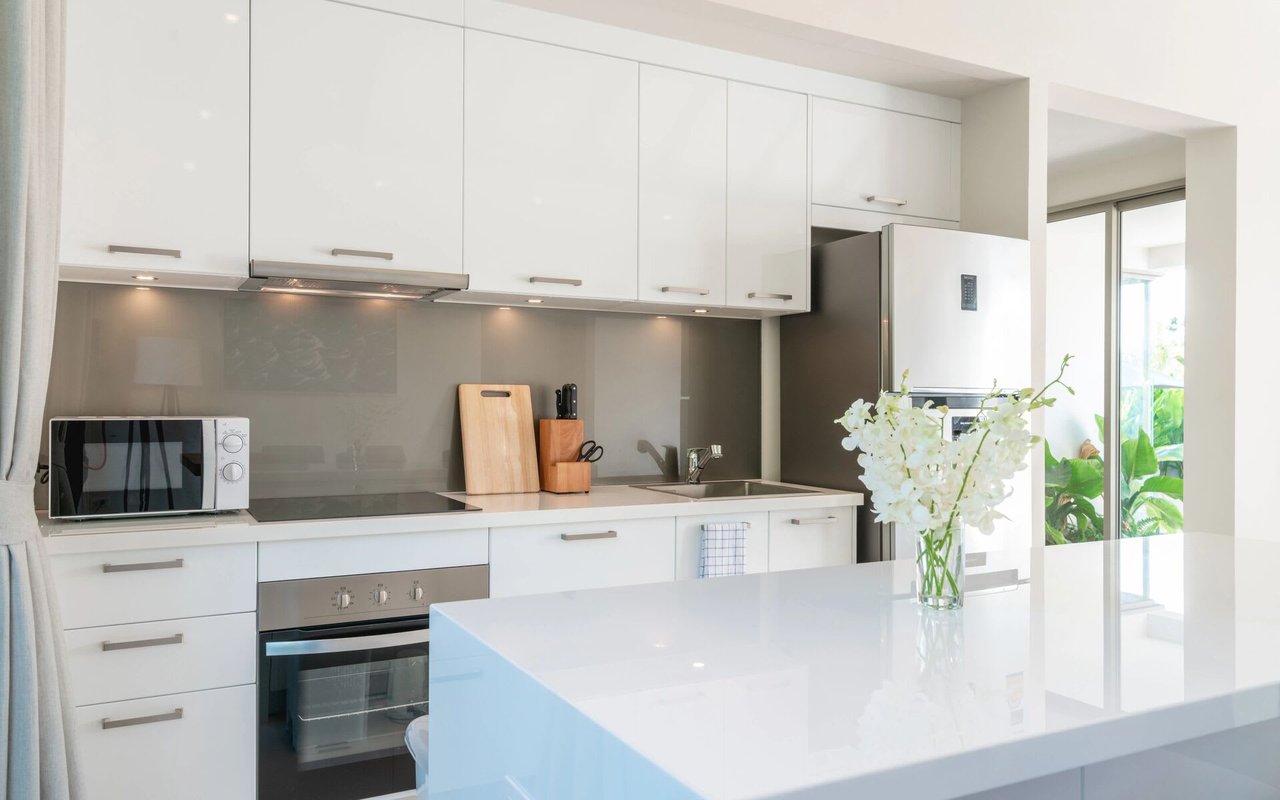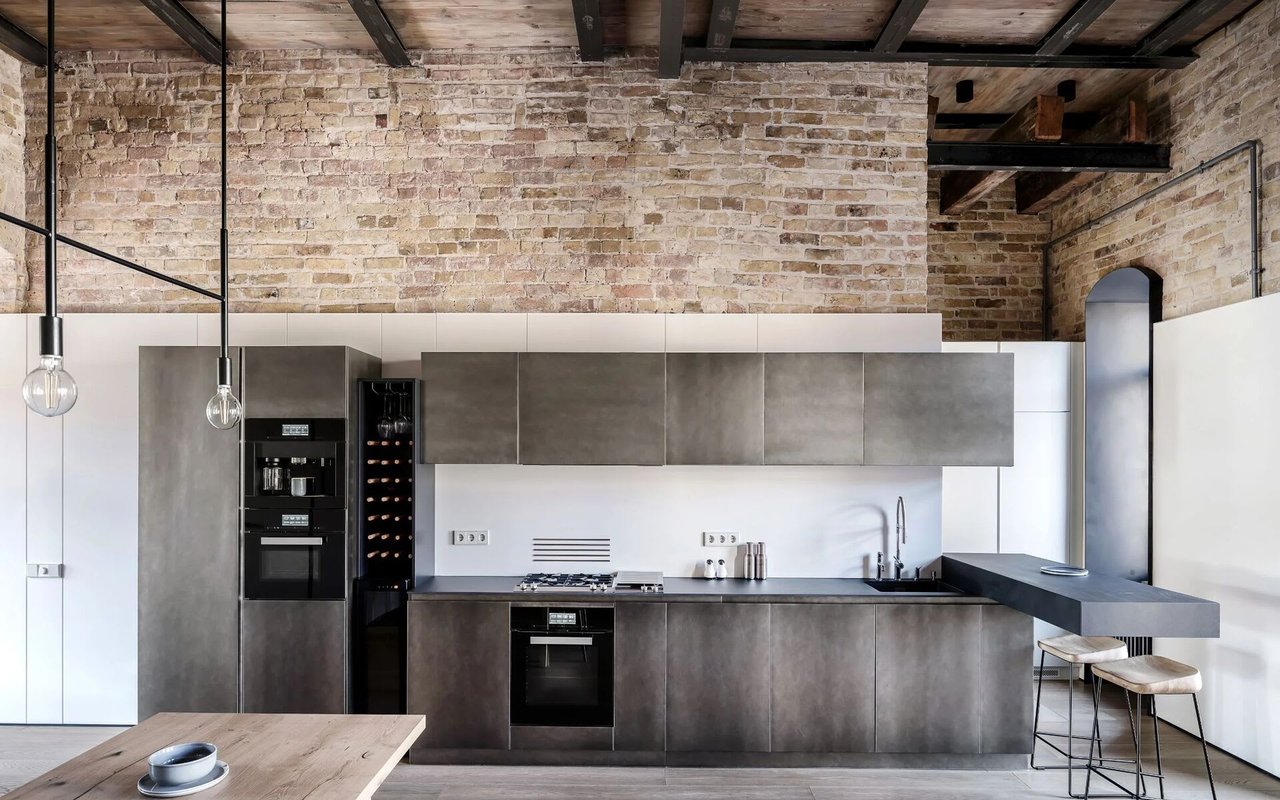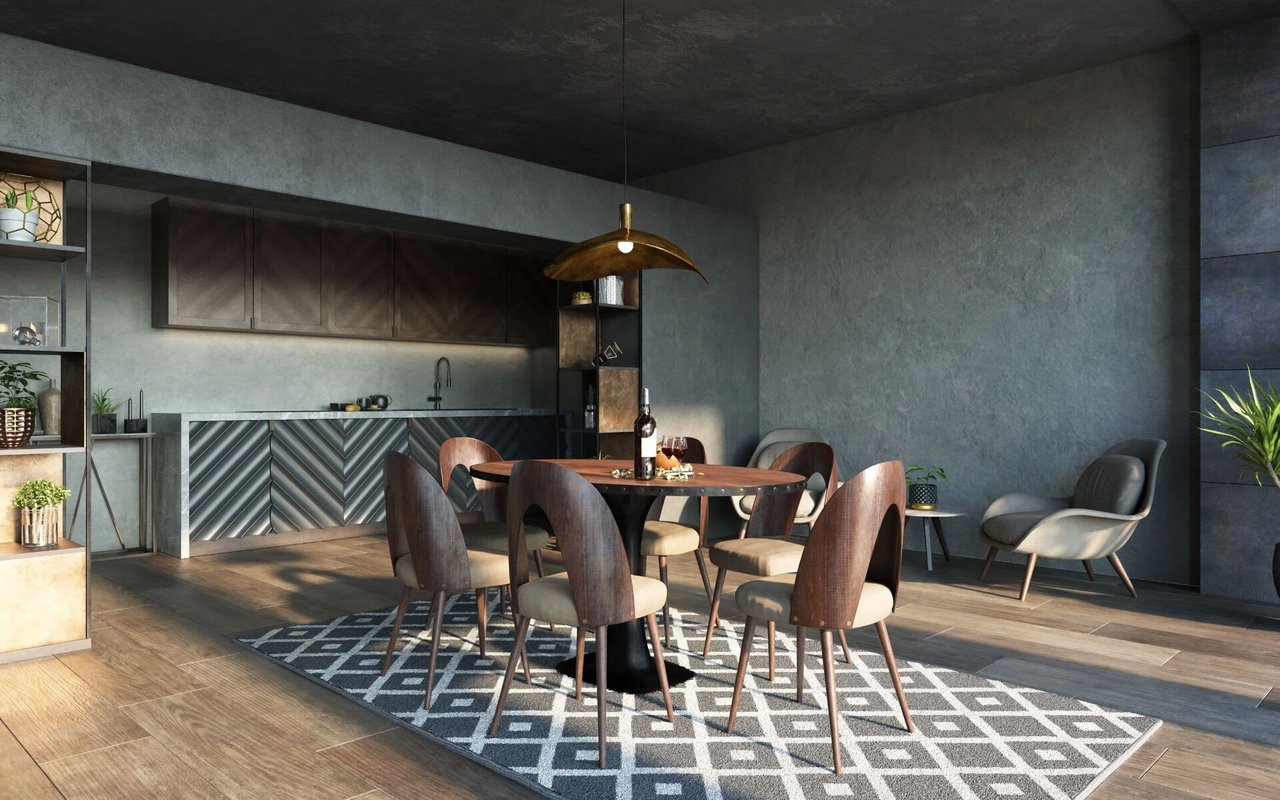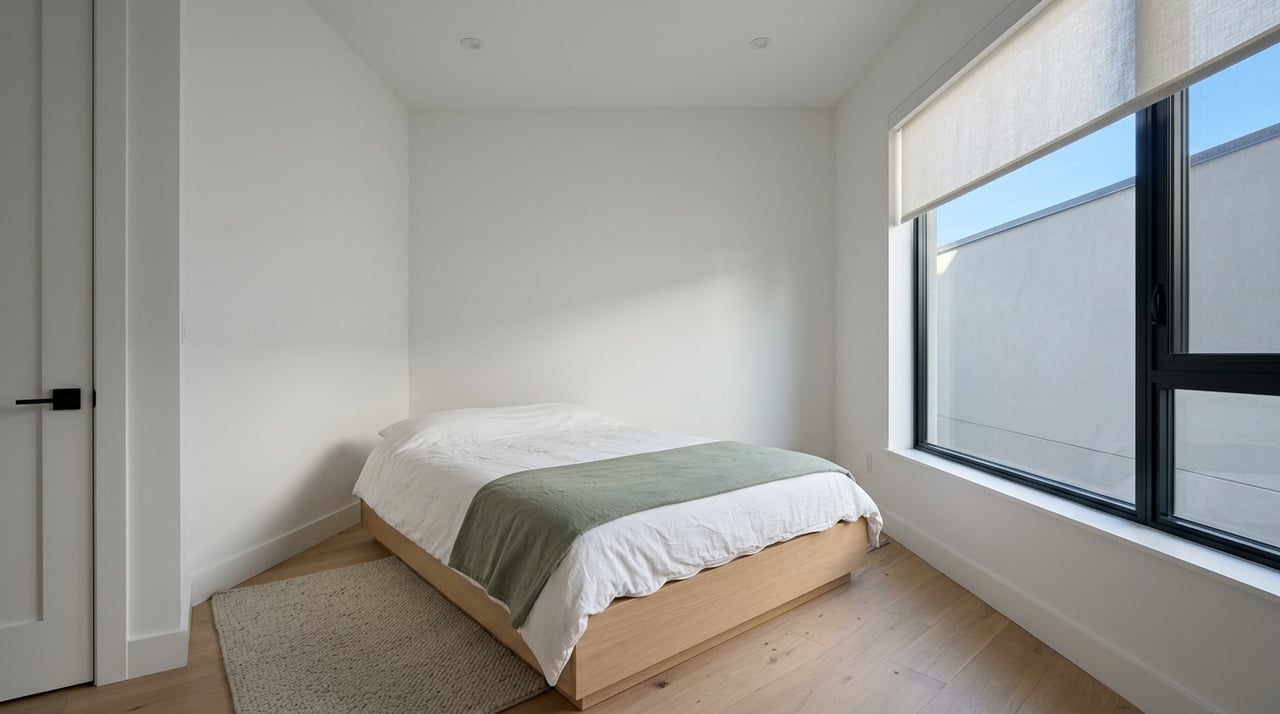
Touring a condo in Old Pasadena can feel exciting and a little deceptive at the same time. A beautiful kitchen or bright living room is easy to notice, but the details that shape daily life often show up in the questions you ask, not just what you see. If you want to buy with more clarity, this guide will help you ask smart, practical questions before you write an offer. Let’s dive in.
Why Old Pasadena Needs Extra Questions
Old Pasadena is a 22-block historic district with more than 300 businesses and a highly walkable mix of shopping, dining, and entertainment. That energy is part of the appeal, but it also means one block can live very differently from the next.
As you tour, try to think beyond finishes and floor plans. Your experience in the home may depend on street activity, parking access, delivery patterns, and whether the unit faces a busy corridor or a quieter interior area.
Pasadena’s planning direction also matters here. The city guides higher-density growth toward the Central District and other transit-oriented areas, so Old Pasadena is part of an evolving urban core, not a frozen-in-time setting.
Ask About Unit Exposure First
Is the unit street-facing or interior-facing?
This is one of the most important questions on any Old Pasadena condo tour. A street-facing unit may offer more city energy and views, while a courtyard-facing or shielded unit may feel calmer day to day.
Ask the agent or seller how the unit sits in relation to the busiest part of the block. You want to know whether the home opens toward restaurants, storefronts, alleys, internal courtyards, or quieter sides of the building.
What sounds are typical at night?
Noise can change dramatically between a weekday morning and a Saturday evening. Ask what the sound levels are like at night, on weekends, and during special events.
Try to get specific answers. Street traffic, restaurant activity, deliveries, HVAC equipment, and neighboring units can each create a different kind of noise experience.
Which side gets better light?
Natural light can shape how spacious and comfortable a condo feels. Ask which side of the building gets the best light and whether that same exposure also brings more heat, more activity, or less privacy.
In a walkable urban district, the best-looking exposure is not always the best everyday fit. A quieter side of the building may be a better long-term choice if you value a more relaxed interior feel.
Questions About Sound and Windows
Are windows and doors built for sound control?
In a lively district, sound control matters. Ask whether the windows, balcony doors, and walls have been upgraded or designed to reduce outside noise.
This is especially important if the unit is close to restaurants, garage entrances, loading zones, or major streets. A refined interior can feel very different depending on what happens once the windows are closed.
What is the building’s most common noise source?
Do not stop at asking whether a unit is “quiet.” Ask what kind of noise shows up most often.
For example, some homes are more affected by traffic, while others deal more with delivery trucks, late-night foot traffic, mechanical systems, or sound transfer from adjacent homes. The answer helps you picture real life more clearly.
Parking Questions That Matter
Is the parking deeded, assigned, leased, or shared?
Old Pasadena has a large parking network, with more than 7,500 spaces across garages, lots, street parking, and valet. Still, nearby parking does not always solve your daily needs.
What matters most is how your building handles your actual space. Ask whether the parking spot is deeded, assigned, leased, or first-come-first-served, and confirm how that setup works in practice.
How does guest parking work?
Guest parking can become a real quality-of-life issue in a busy district. Ask how visitors park after business hours and whether guest spaces are available overnight.
A building may sit near public parking, but that does not always mean convenient access for family, friends, or service providers. It is worth understanding this before you commit.
Is EV charging available?
If you own an electric vehicle or expect to in the future, ask whether EV charging is available. You should also ask who pays for installation and electricity if a charger is not already in place.
This is a simple question, but it can affect both convenience and ownership costs.
HOA Questions You Should Never Skip
What do the monthly dues cover?
In California condo sales, sellers typically provide broad disclosure materials, including fee information and the association’s annual budget report. During the tour, start with the practical question: what are the monthly HOA dues, and what do they actually cover?
You want a clear breakdown, not just the monthly number. For example, ask whether dues cover building maintenance, insurance summaries, reserves, amenities, or parking-related features.
Have dues gone up recently?
A low monthly fee may sound appealing, but it does not tell the whole story. Ask whether dues have increased recently and whether another increase is expected.
That question can help you understand whether the HOA is keeping pace with building needs or whether costs may shift after closing.
Is a special assessment expected?
Ask directly whether a special assessment is being discussed or anticipated. California disclosure materials for condo sales include information related to assessments, reserve funding, loans, and other association financial conditions.
This matters because a condo that feels turnkey today may come with added costs tomorrow. It is better to know early.
How funded are the reserves?
Reserve strength is one of the clearest signs of HOA financial health. Ask how fully funded the reserves are and what major repairs are forecast.
The annual budget report must include reserve information, including estimated replacement costs for major components, remaining useful life, reserve cash, and reserve deficiency per unit. That gives you a strong base for follow-up questions.
Are there loans, fines, or unresolved issues?
Ask whether the HOA has any loans, unpaid assessments, unresolved violations, or litigation. You should also ask to review the most recent budget, reserve study, and board minutes if available.
These documents can reveal whether the building is operating smoothly or whether larger issues may be developing behind the scenes.
Building Condition Questions for Older and Historic Areas
Have balconies and elevated elements been inspected?
California requires condominium associations to inspect exterior elevated elements such as certain balconies and decks at least once every nine years. The written report must address current condition, remaining useful life, and needed repairs.
Ask whether the most recent exterior elevated elements inspection report is available and whether any repairs were recommended. If an element poses an immediate threat, access must be restricted until repairs are addressed and approved.
Are there known issues with major systems?
Ask whether there are known concerns with the roof, plumbing risers, elevators, or waterproofing. These are not glamorous questions, but they can have a major effect on ownership costs and comfort.
In a historic district context, exterior changes may also involve city review. That makes it especially useful to ask about past repairs and any future work the building expects to undertake.
Can owners modify exterior features?
If a balcony, window, or exterior door matters to you, ask what changes are allowed. Pasadena’s historic preservation rules can affect exterior alterations, additions, and other visible changes in designated historic contexts.
That does not mean changes are impossible. It means you should understand the approval path before assuming you can update an exterior feature later.
New Construction Questions If Applicable
Is there a DRE public report?
If the condo is newly built or still in a developer-led sales process, ask for the California Department of Real Estate public report. It must be provided before a buyer becomes obligated in applicable condominium projects.
This report can include CC&Rs, HOA cost information, maintenance obligations, and other material disclosures. It is a key document for understanding how the project is structured.
Are there defect-related materials to review?
For newer homes, ask whether there are any defect-related materials or building issue disclosures to review. Even in a polished, move-in ready property, clarity matters.
For buyers who value finish certainty and a smoother purchase path, this is part of doing careful due diligence.
Look Beyond the Building
What projects are active nearby?
Future livability depends on more than the unit itself. Ask what projects are active within a few blocks of the building and whether there is a known construction timeline nearby.
Pasadena maintains a Development Activity Map that tracks active building permits and planning cases. In an area shaped by ongoing urban growth, nearby development could affect noise, access, views, privacy, or sunlight.
Could street or garage changes affect access?
Ask whether any planned street, signal, or garage changes could affect how you enter the building or use parking. The city’s Old Pasadena Traffic Improvement efforts include parking and traffic mitigation work such as signs, striping, signal operations, curbside improvements, and parking enhancements.
This may not be a dealbreaker, but it can shape convenience in a meaningful way.
Are neighboring properties in review?
In a historic district, neighboring sites may be going through planning or historic-review processes. Ask whether any nearby properties are in review and whether proposed changes could alter the block over time.
This question is especially useful if your interest in a unit depends on its light, view, or sense of privacy.
A Simple Condo Tour Checklist
As you walk through an Old Pasadena condo, keep these questions handy:
- Is the unit street-facing, courtyard-facing, or shielded from the busiest areas?
- What sounds are typical at night, on weekends, and during events?
- What is the main noise source?
- Are windows and doors designed for sound control?
- Is parking deeded, assigned, leased, or shared?
- How does guest parking work after business hours?
- Is EV charging available?
- What do HOA dues cover?
- Have dues increased recently?
- Is a special assessment being discussed?
- How funded are the reserves?
- Are there loans, unresolved violations, or litigation?
- Are there known issues with balconies, roofs, plumbing, elevators, or waterproofing?
- If the project is new, can you review the DRE public report?
- What nearby development or street changes should you know about?
The right condo is not just attractive on tour day. It should also make sense for how you want to live, park, host, rest, and plan ahead.
If you are comparing condos in Pasadena and want a more informed, high-touch buying experience, Shahe Seuylemezian can help you look past the staging and focus on the details that matter.
FAQs
What should you ask about noise on an Old Pasadena condo tour?
- Ask whether the unit is street-facing or interior-facing, what sounds are typical at night and on weekends, and whether the main noise comes from traffic, restaurants, deliveries, HVAC equipment, or neighboring units.
What should you ask about HOA documents for a Pasadena condo?
- Ask to review the monthly dues, what they cover, the most recent budget, reserve information, board minutes, any anticipated special assessments, rental restrictions, and whether the HOA has loans or unresolved issues.
What should you ask about parking for an Old Pasadena condo?
- Ask whether your parking is deeded, assigned, leased, or first-come-first-served, how guest parking works after business hours, whether overnight guest parking is allowed, and whether EV charging is available.
What should you ask about building condition in an Old Pasadena condo?
- Ask about the most recent exterior elevated elements inspection report, plus any known issues with balconies, waterproofing, roofs, plumbing risers, elevators, windows, or exterior doors.
What should you ask about new construction Pasadena condos?
- Ask whether there is a DRE public report, what the HOA assessments and obligations are, and whether there are any defect-related materials or other project disclosures you should review before making an offer.
What should you ask about future development near an Old Pasadena condo?
- Ask what active projects are planned within a few blocks, whether street or signal changes could affect access or parking, whether nearby development could change light, views, privacy, or noise, and what city map or permit source should be checked before you move forward.